
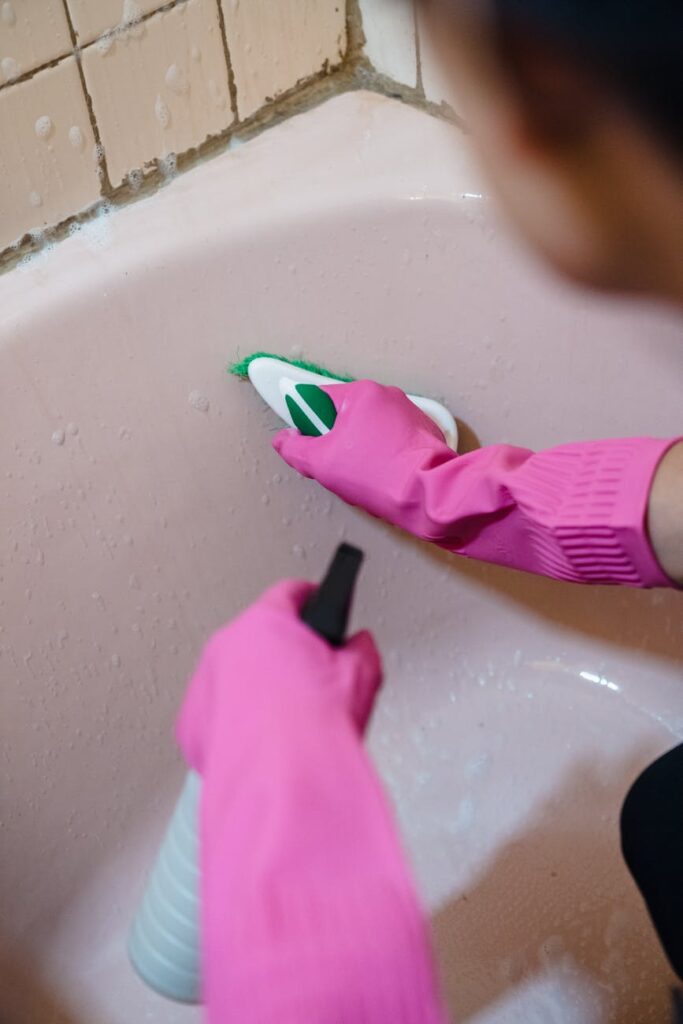
Shower Tile Odor Mould & Damp Guide Part 1
Introduction
Shower tiles can become a breeding ground for mould and damp, leading to unpleasant odors and unsightly stains. This guide will provide you with practical solutions to tackle these issues effectively. By understanding the causes and implementing straightforward cleaning methods, you can restore your bathroom to a fresh and inviting space.
What Causes Mould & Damp?
Mould thrives in moist environments, making bathrooms particularly vulnerable. The primary factors contributing to mould and damp in shower tiles include:
- High Humidity: Showers create steam, and if not properly ventilated, humidity levels can rise, promoting mould growth.
- Poor Ventilation: Lack of airflow allows moisture to linger on surfaces, increasing the likelihood of dampness.
- Water Leaks: Any leaks in plumbing or tiles can lead to water pooling, creating a perfect environment for mould.
- Cleaning Products: Some cleaning products may leave residues that attract moisture or don’t effectively kill mould spores.
- Condensation: Hot water from showers leads to condensation on cooler surfaces, such as tiles. This moisture can accumulate, especially in corners and grout lines.
- Infrequent Cleaning: Regular cleaning is essential for preventing mould buildup. Neglecting this task allows spores to settle and grow.
- Material Choices: Certain tile materials are more porous and absorb moisture, making them more susceptible to mould.
- White vinegar
- Baking soda
- Spray bottle
- Scrub brush or sponge
- Microfiber cloth
- Rubber gloves
- Bucket
- Spray the vinegar solution generously on the affected areas of the tiles and grout.
- Allow it to sit for at least 10-15 minutes to penetrate and kill mould spores.
- Using a scrub brush or sponge, scrub the tiles and grout lines thoroughly. Focus on corners and areas with visible mould.
- For stubborn stains, apply the baking soda paste directly to the affected area and scrub.
- Rinse the tiles with warm water to remove any residue from the cleaning solutions.
- Dry the area with a microfiber cloth to prevent moisture accumulation.
- Vinegar and Baking Soda: A combination of these two common household ingredients is effective for both cleaning and deodorizing.
- Hydrogen Peroxide: A 3% solution can be sprayed on mouldy areas and left for 10-15 minutes before rinsing.
- Commercial Mould Cleaners: For tough mould, consider using a commercial mould cleaner. Ensure it’s suitable for your tile type.
- Neglecting Grout: Mould often hides in grout lines. Be sure to scrub these areas thoroughly.
- Using Abrasive Tools: While scrubbing is necessary, avoid using steel wool or harsh scrubbers that can damage tiles.
- Skipping Drying: After cleaning, always dry the tiles. Leaving them wet encourages mould regrowth.
- Ignoring Ventilation: Don’t overlook the importance of ventilation. Always use a fan or open a window after showering.
- Improve Ventilation: Install an exhaust fan or open windows during and after showers to reduce humidity.
- Wipe Down Surfaces: After each shower, use a squeegee or towel to wipe down tiles and prevent moisture buildup.
- Regular Cleaning: Clean your shower tiles at least once a week to prevent mould growth.
- Use Mould-Resistant Products: Consider using mould-resistant paint and grout for better protection.
Why This Problem Happens
Understanding why mould and damp occur can help you address the issue more effectively. Key reasons include:
How to Fix Mould & Damp (Step-by-Step)
Step 1: Gather Your Supplies
Before you begin, gather the following cleaning supplies:
Step 2: Ventilate the Area
Open windows and doors to ensure proper ventilation. If possible, turn on the bathroom fan to reduce humidity levels while you clean.
Step 3: Prepare the Cleaning Solution
1. Vinegar Solution: Mix equal parts of white vinegar and water in a spray bottle. Vinegar is a natural disinfectant and helps break down mould.
2. Baking Soda Paste: For tougher stains, create a paste using baking soda and a small amount of water.
Step 4: Apply the Vinegar Solution
Step 5: Scrub the Area
Step 6: Rinse and Dry
Step 7: Inspect and Repeat
After drying, inspect the tiles for any remaining mould. If necessary, repeat the cleaning process until the mould is completely gone.
Best Cleaning Methods
When it comes to cleaning shower tiles, here are some effective methods:
Common Mistakes to Avoid
Prevention Tips
Preventing mould and damp is easier than cleaning it. Here’s how to keep your shower tiles fresh:
Frequently Asked Questions
1. How often should I clean my shower tiles?
Aim to clean your shower tiles at least once a week to prevent mould buildup.
2. Can I use bleach to clean mould?
While bleach can kill mould, it may not be effective on porous surfaces like grout. Additionally, it can create harmful fumes. Use vinegar or baking soda as safer alternatives.
3. What if the mould keeps coming back?
If mould returns quickly, check for leaks or inadequate ventilation. You may need to consult a professional.
4. Is it safe to use vinegar on all tile types?
Vinegar is generally safe for ceramic and porcelain tiles, but avoid using it on natural stone tiles like marble or granite as it can damage the surface.
5. How can I tell if there’s hidden mould?
Signs of hidden mould include persistent damp spots, musty odors, or visible mould growth in corners and behind fixtures.
6. Can I prevent mould without cleaning?
While regular cleaning is essential, you can reduce mould growth by improving ventilation, using mould-resistant products, and keeping surfaces dry.
By following this guide, you’ll be equipped with the knowledge and tools needed to tackle mould and damp issues in your shower tiles effectively. Stay tuned for Part 2, where we will delve deeper into advanced cleaning techniques and maintenance strategies.