
Shower Tile Odor Kitchen Guide Part 1
Introduction
Odors from shower tiles can be a significant nuisance, especially in kitchens where cleanliness is essential. When tile surfaces absorb moisture, they can develop unpleasant smells that permeate the surrounding area. This guide will help you understand the causes of kitchen shower tile odors and provide actionable steps to eliminate them effectively.
What Causes Kitchen Shower Tile Odor?
Several factors can contribute to unpleasant odors emanating from shower tiles in your kitchen. Here are the primary culprits:
1. Mold and Mildew: These fungi thrive in damp environments, making bathrooms and kitchens prime locations for growth.
2. Soap Scum: Residue from soaps and shampoos can build up on tiles, creating a breeding ground for bacteria and odors.
3. Hard Water: Mineral deposits from hard water can accumulate on tiles, leading to unpleasant smells and stains.
4. Food Particles: If food gets trapped in grout lines or around sink edges, it can decompose and produce odors.
5. Poor Ventilation: Kitchens often lack adequate airflow, which can trap moisture and facilitate odor formation.
Why This Problem Happens
Understanding why odor develops is key to preventing and resolving it. Here are some reasons:
- Moisture Retention: Tiles and grout can retain moisture, especially in areas with poor ventilation. This creates an environment where mold and mildew can flourish.
- Chemical Reactions: Over time, cleaning products can react with soap scum and hard water deposits, creating unpleasant odors.
- Neglect: Regular cleaning is essential in preventing odors. Infrequent cleaning allows mold and mildew to settle in and thrive.
- Baking soda
- White vinegar
- Dish soap
- Spray bottle
- Scrub brush or sponge
- Microfiber cloth
- Grout cleaner (optional)
- Mix one part hydrogen peroxide with two parts water.
- Spray the solution onto the tiles and let it sit for 10 minutes.
- Rinse thoroughly.
- For stubborn stains or odors, consider using a commercial grout cleaner.
- Follow the manufacturer’s instructions for the best results.
- Adding a few drops of essential oils (like tea tree or lavender) to your cleaning solution can help mask odors and leave a pleasant scent.
How to Fix Kitchen Shower Tile Odor (Step-by-Step)
Step 1: Gather Your Supplies
Before starting, ensure you have the following items:
Step 2: Prepare a Cleaning Solution
1. Baking Soda and Vinegar: Mix equal parts of baking soda and white vinegar in a spray bottle. This combination will create a fizzing reaction that helps lift dirt and odors.
2. Dish Soap Solution: For general cleaning, mix a few drops of dish soap with warm water in a bucket.
Step 3: Apply the Cleaning Solution
1. Spray the baking soda and vinegar solution directly onto the tiles, focusing on grout lines where odors typically originate.
2. Allow it to sit for 10-15 minutes to break down grime and odors.
Step 4: Scrub the Tiles
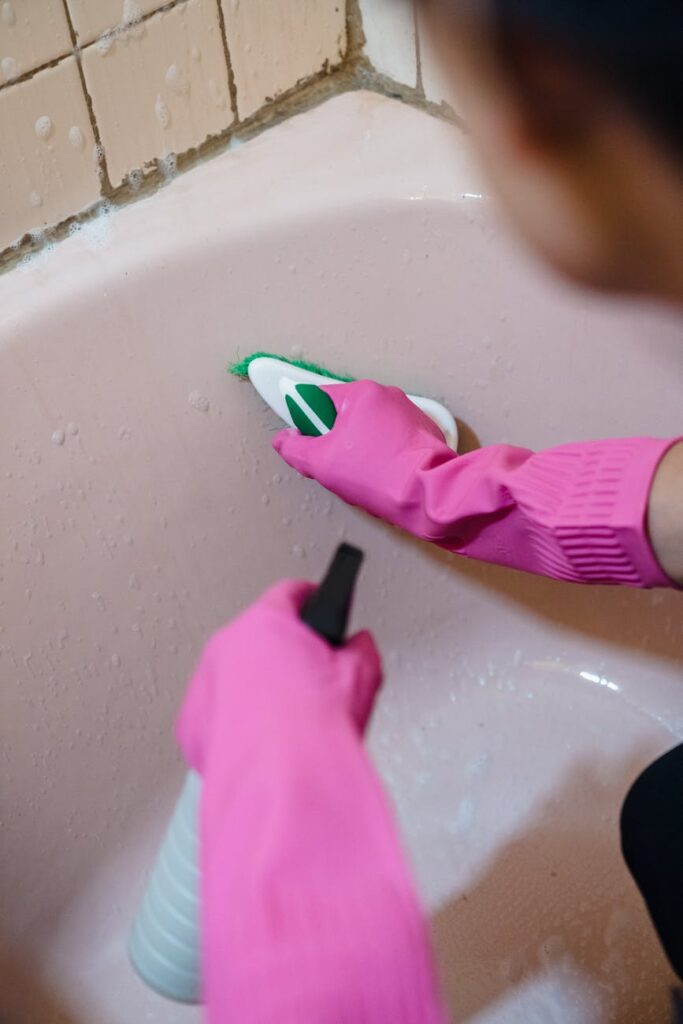
Using a scrub brush or sponge, scrub the tiles and grout lines gently. Pay extra attention to areas with visible mold or soap scum.
Step 5: Rinse Thoroughly
Once scrubbing is complete, rinse the tiles with warm water. Ensure no cleaning solution residue remains, as this can attract more dirt.
Step 6: Dry the Area
Use a microfiber cloth to dry the tiles thoroughly. This step is crucial to prevent future odors from developing.
Best Cleaning Methods
While the baking soda and vinegar method is effective, consider these additional cleaning methods:
1. Hydrogen Peroxide
2. Commercial Grout Cleaner
3. Essential Oils
Common Mistakes to Avoid
1. Using Harsh Chemicals: Avoid using bleach or ammonia-based cleaners, as they can damage tiles and grout over time.
2. Neglecting Grout Lines: Many homeowners focus solely on the tiles, forgetting that grout can harbor odors.
3. Not Rinsing Properly: Leaving cleaning solutions on tiles can lead to residue buildup, worsening odors.
4. Ignoring Ventilation: Failing to address poor ventilation will allow moisture to accumulate, leading to persistent odors.
Prevention Tips
Preventing odors from developing in the first place is always the best approach:
1. Regular Cleaning: Clean your shower tiles at least once a week to prevent buildup.
2. Improve Airflow: Use exhaust fans and open windows to enhance ventilation in the kitchen and bathroom areas.
3. Seal Grout Lines: Consider applying a grout sealer every 6-12 months to protect against moisture and stains.
4. Wipe Down Surfaces: After using the shower or kitchen sink, wipe down wet surfaces to minimize moisture retention.
5. Use Dehumidifiers: If humidity is a constant issue, consider using a dehumidifier in your kitchen or bathroom.
Frequently Asked Questions
1. How often should I clean my shower tiles?
Aim to clean shower tiles once a week to prevent buildup and odors.
2. Can I use bleach to clean my shower tiles?
Avoid using bleach, as it can damage tiles and grout over time. Opt for gentler cleaning solutions instead.
3. What can I do if the odor persists?
If odors persist after cleaning, check for hidden mold or moisture issues, and consider consulting a professional.
4. Can I prevent odors with essential oils?
Yes, adding essential oils to your cleaning solutions can help mask odors and leave a pleasant scent.
5. How can I improve ventilation in my kitchen?
Using exhaust fans, opening windows, and keeping doors open can help improve airflow and reduce moisture.
6. Is it necessary to seal grout lines?
Yes, sealing grout lines every 6-12 months can help prevent moisture absorption and odors from developing.
By following these steps and tips, you can effectively eliminate shower tile odors in your kitchen and maintain a fresh, clean environment. Stay tuned for Part 2, where we’ll explore deeper cleaning methods and additional prevention strategies.