
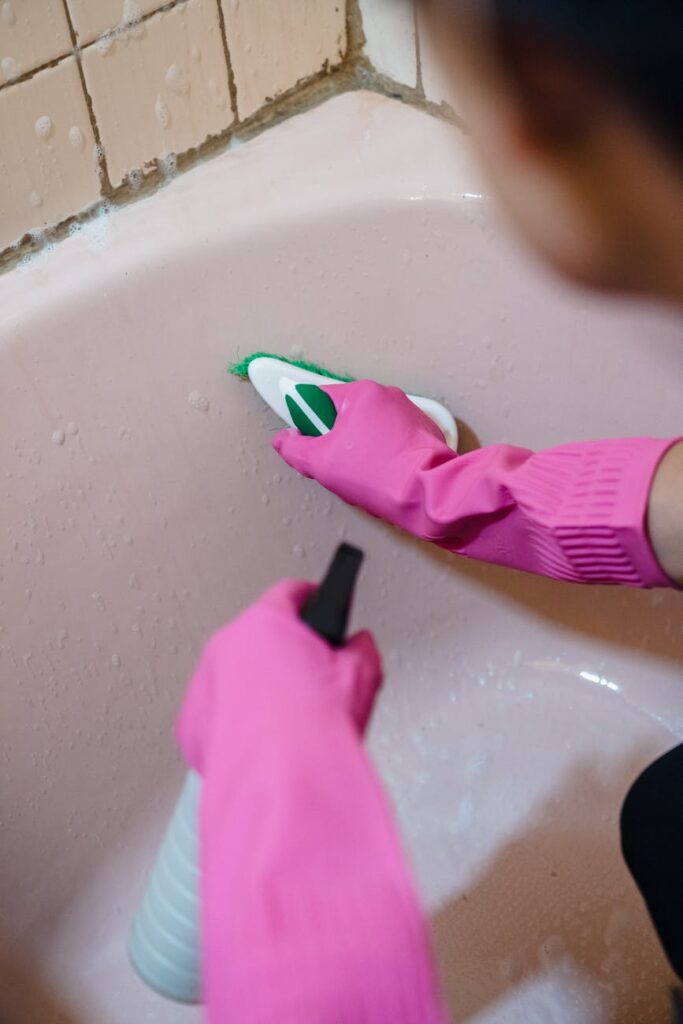
Shower Tile Odor Bathroom Guide Part 1
Introduction
A clean bathroom is essential for a healthy home, yet one of the most persistent issues homeowners face is unpleasant odors emanating from shower tiles. These odors can be frustrating and off-putting, but with the right approach, you can tackle the problem effectively. In this guide, we’ll explore what causes these odors, why they occur, and provide you with actionable steps to eliminate them.
What Causes Bathroom Odor?
The odor in your bathroom, particularly around the shower area, can be attributed to several factors:
1. Mold and Mildew: These fungi thrive in damp environments, making your shower an ideal breeding ground. They can produce musty smells that linger on tiles.
2. Soap Scum: When soap residue mixes with water minerals, it can create a filmy buildup that not only looks unsightly but can also harbor bacteria, leading to odors.
3. Hard Water: If you live in an area with hard water, mineral deposits can accumulate on your tiles, contributing to unpleasant smells.
4. Dirty Grout: Grout can absorb moisture and soap, making it a prime spot for mold and mildew growth.
5. Poor Ventilation: Bathrooms that lack proper airflow can trap moisture, exacerbating odor issues.
Why This Problem Happens
Understanding why shower tile odors occur can help you avoid them in the future. Here are some key reasons:
- Humidity: Showers create steam, which increases humidity levels. When combined with poor ventilation, it creates a perfect environment for mold and mildew.
- Neglecting Regular Cleaning: Skipping regular cleaning schedules allows soap scum and grime to build up, making odor issues worse over time.
- Moisture Trapped in Grout: If grout isn’t sealed properly, it can absorb water and become a breeding ground for bacteria.
- Lack of Airflow: Bathrooms without windows or exhaust fans can trap moisture, leading to persistent odors.
- Baking soda
- White vinegar
- A spray bottle
- A scrub brush
- Microfiber cloth or sponge
- Grout cleaner (optional)
- N95 mask (optional for mold)
- Remove all items from the shower, including bottles, loofahs, and mats.
- Ensure the bathroom is well-ventilated by opening a window or turning on the exhaust fan.
- Sprinkle a generous amount of baking soda on the tiles and grout.
- Let it sit for 10-15 minutes. Baking soda helps neutralize odors and acts as a mild abrasive.
- Mix equal parts of white vinegar and water in a spray bottle.
- Spray the solution over the baking soda-covered tiles. The fizzing reaction will help lift grime.
- Use a scrub brush to clean the tiles and grout. Focus on areas with visible stains or buildup.
- For stubborn stains, consider using a grout cleaner as directed.
- Rinse the tiles and grout with warm water. Ensure all baking soda and vinegar residue is removed.
- Use a microfiber cloth or sponge to dry the shower tiles thoroughly. This step helps prevent future moisture buildup.
- Check for any remaining odors or stains. If needed, repeat the cleaning process.
- Vinegar and Baking Soda: This combination is excellent for breaking down soap scum and neutralizing odors.
- Hydrogen Peroxide: For stubborn mold and mildew, apply hydrogen peroxide directly to affected areas. Let it sit for 10 minutes before rinsing.
- Commercial Cleaners: Use a reputable bathroom cleaner specifically designed for mold and mildew if natural methods don’t suffice.
- Steam Cleaning: If you have a steam cleaner, it can effectively kill mold and bacteria without harsh chemicals.
- Using Harsh Chemicals: Some chemicals can damage grout and tiles, leading to more problems in the long run. Always test a small area first.
- Inconsistent Cleaning: Skipping regular cleaning allows odors to return. Aim for a deep clean every month and a quick wipe-down weekly.
- Ignoring Grout: Many homeowners focus on tiles and forget the grout. Regularly clean and seal grout to prevent moisture absorption.
- Neglecting Ventilation: Failing to ventilate your bathroom can exacerbate odor issues. Always use an exhaust fan or open a window during and after showers.
- Install an Exhaust Fan: Ensure your bathroom has adequate ventilation to reduce humidity.
- Use a Squeegee: After each shower, use a squeegee to remove excess water from tiles and glass. This practice minimizes moisture buildup.
- Seal Grout: Regularly seal your grout to prevent moisture penetration and mold growth.
- Choose the Right Products: Use soap and shower products that minimize residue, such as low-suds or natural options.
- Keep It Dry: Whenever possible, leave the shower door open to allow airflow and reduce humidity.
How to Fix Bathroom Odor (Step-by-Step)
Eliminating shower tile odors requires a systematic approach. Follow these steps for a thorough cleaning:
Step 1: Gather Your Supplies
You’ll need:
Step 2: Prepare the Area
Step 3: Apply Baking Soda
Step 4: Create a Vinegar Solution
Step 5: Scrub the Tiles
Step 6: Rinse Thoroughly
Step 7: Dry the Area
Step 8: Inspect and Repeat if Necessary
Best Cleaning Methods
Here are some effective methods to keep your shower tiles odor-free:
Common Mistakes to Avoid
When tackling shower tile odors, avoid these pitfalls:
Prevention Tips
Preventing shower tile odors is just as important as addressing them. Here are some strategies:
Frequently Asked Questions
1. How often should I clean my shower tiles?
Aim for a deep clean once a month, with light cleaning or wipe-downs weekly to keep odors at bay.
2. Can I use bleach to remove mold from my shower tiles?
While bleach can kill mold, it can also damage grout and tiles. Consider using vinegar or hydrogen peroxide as safer alternatives.
3. What can I do if the odor persists after cleaning?
If odors remain, check for hidden mold behind tiles or within the walls. You may need to consult a professional to address deeper issues.
4. Is it necessary to seal grout?
Yes, sealing grout is essential to prevent moisture absorption and mold growth. Reapply sealant every 6-12 months.
5. Can essential oils help with odors?
Yes, adding a few drops of essential oils to your cleaning solution can help mask odors and leave a fresh scent.
6. What are the signs of mold in my bathroom?
Look for discoloration, dark spots on grout, or a musty smell. If you suspect mold, address it promptly to prevent health issues.
—
By following these guidelines, you can effectively tackle shower tile odors and maintain a fresh-smelling bathroom space. Remember, consistent cleaning and preventive measures are key to keeping your bathroom inviting and odor-free.