
Shower Tile Mold Kitchen Guide Part 1
Introduction
Kitchen shower tiles can be a breeding ground for mold, especially in damp areas. Mold not only looks unsightly but can also pose serious cleaning challenges. This guide will help you understand the causes of kitchen shower tile mold, how to effectively remove it, and ways to prevent it from returning.
What Causes Kitchen Mold?
Mold thrives in environments that are warm, damp, and dark. In kitchens, the following factors often contribute to mold growth:
- High Humidity: Cooking and washing dishes release steam, raising humidity levels.
- Poor Ventilation: Lack of airflow allows moisture to linger on surfaces.
- Leaky Fixtures: Water leaks from faucets or showerheads create ideal conditions for mold.
- Grout and Caulk Damage: Cracked or missing grout and caulk can trap moisture.
- Frequent Water Exposure: Showers produce a lot of water, which can accumulate on tiles.
- Organic Residue: Food particles or soap scum can serve as a food source for mold.
- Inadequate Cleaning: A lack of regular cleaning can lead to mold build-up.
- Rubber gloves
- Safety goggles
- Scrub brush
- Old toothbrush (for grout)
- Bucket
- Spray bottle
- Cleaning solution (see Best Cleaning Methods)
- Rags or paper towels
- Ventilate: Open windows and doors. Turn on the exhaust fan if available.
- Protect Surfaces: Place towels on the floor to catch any drips.
- Rinse the tiles with warm water to remove cleaning solution and loosened mold.
- Use a clean rag or paper towel to dry the tiles completely. This prevents moisture accumulation.
- Vinegar: A natural mold killer. Spray undiluted vinegar on affected areas and let it sit before scrubbing.
- Baking Soda Paste: Mix baking soda with water to create a paste. Apply it to moldy areas, let it sit, then scrub.
- Commercial Cleaners: Look for products specifically designed for mold removal. Follow the manufacturer’s instructions.
- Not Wearing Protective Gear: Always wear gloves and goggles to protect yourself from harsh chemicals.
- Ignoring Ventilation: Failing to ventilate can lead to inhalation of mold spores and cleaning fumes.
- Using Too Much Water: Excess water can worsen the problem by promoting additional mold growth.
- Skipping the Rinse: Leaving cleaning solutions on tiles can cause damage and attract more dirt.
- Improve Ventilation: Install an exhaust fan or open windows while cooking and showering.
- Reduce Humidity: Use a dehumidifier to keep moisture levels in check.
- Regular Cleaning: Clean shower tiles weekly to prevent mold build-up.
- Seal Grout and Caulk: Regularly check and reseal any damaged grout or caulk to keep moisture out.
Why This Problem Happens
The kitchen is often a hub of activity, which makes it vulnerable to mold growth. Here are some reasons why mold thrives in kitchen shower areas:
Understanding these factors is essential for effective mold prevention and removal.
How to Fix Kitchen Mold (Step-by-Step)
Removing mold from shower tiles can seem daunting, but it’s manageable with the right approach. Follow these steps:
Step 1: Gather Your Supplies
Collect the following items before starting:
Step 2: Prepare the Area
Step 3: Apply Cleaning Solution
1. Choose Your Cleaner: Use a commercial mold remover, vinegar, or a baking soda paste.
2. Spray or Apply: Generously apply the solution to the affected areas.
3. Let it Sit: Allow the solution to sit for at least 10-15 minutes. This helps break down the mold.
Step 4: Scrub the Tiles and Grout
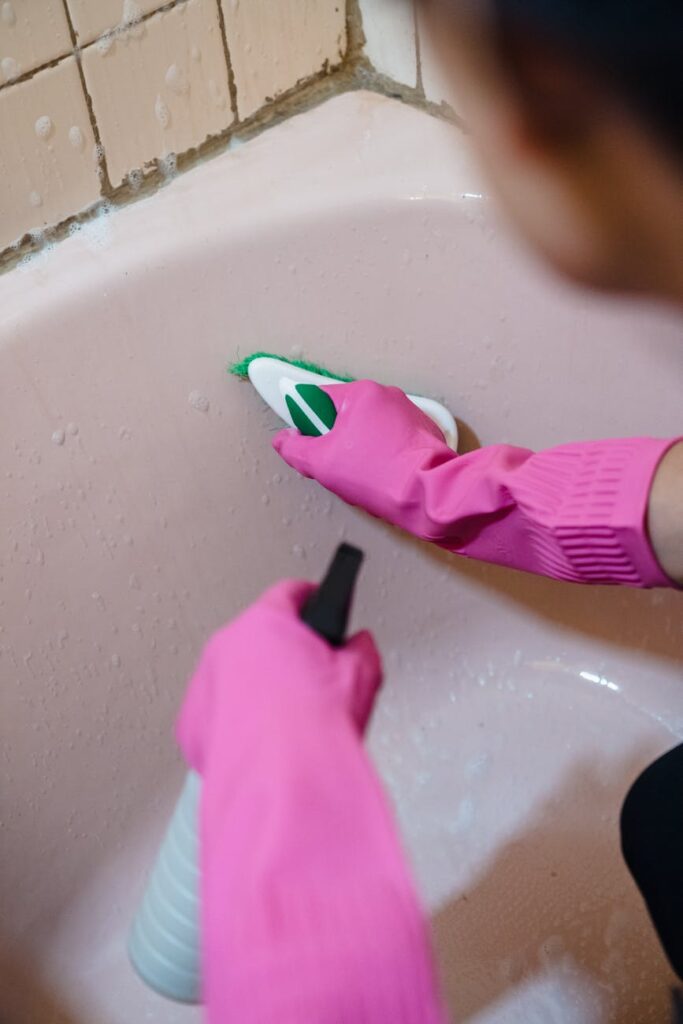
1. Use the Scrub Brush: Scrub the tiles firmly, focusing on grout lines where mold is likely to hide.
2. Toothbrush for Grout: Use an old toothbrush for hard-to-reach areas.
Step 5: Rinse Thoroughly
Step 6: Dry the Area
Best Cleaning Methods
Here are some effective cleaning solutions for removing mold from your kitchen shower tiles:
Common Mistakes to Avoid
When tackling mold removal, avoid these pitfalls:
Prevention Tips
Preventing mold is much easier than removing it. Here are proactive steps you can take:
Frequently Asked Questions
1. How often should I clean my shower tiles?
Aim to clean your shower tiles at least once a week to prevent mold growth.
2. Can I use bleach to remove mold?
While bleach can kill mold, it may not be effective on porous surfaces like grout. Use vinegar or a commercial mold remover for better results.
3. Is mold in the shower harmful?
Mold can cause allergies and respiratory issues in sensitive individuals. It’s best to remove it promptly.
4. What should I do if mold keeps coming back?
If mold persists, check for leaks and improve ventilation. Regular cleaning and sealing grout can also help.
5. Can I prevent mold without chemicals?
Yes, using natural solutions like vinegar and baking soda can effectively prevent and remove mold.
6. What if I can’t remove the mold myself?
If mold is extensive or persistent, consider hiring a professional mold remediation service.
Conclusion
Understanding and addressing shower tile mold in your kitchen can keep your space clean and healthy. By following the steps outlined in this guide, you can tackle mold effectively and prevent its return. Regular maintenance and vigilance are key to maintaining a mold-free kitchen environment.