
Shower Tile Mold Cleaning Guide Part 1
Introduction
Mold on shower tiles is more than just an eyesore; it can lead to unpleasant odors and health concerns. This guide will help you understand what causes mold, the best methods to remove it, and how to prevent it from returning. By following these actionable steps, you can maintain a clean and healthy shower space.
What Causes Mold?
Mold thrives in damp, warm environments, making your shower an ideal breeding ground. Common causes include:
- High Humidity: Showers create a humid environment, especially without proper ventilation.
- Water Accumulation: Standing water or poor drainage can lead to mold growth.
- Soap Scum: Residue from soaps and shampoos provides a food source for mold.
- Poor Cleaning Habits: Infrequent cleaning allows mold to establish itself.
- Rubber gloves
- Mask (to avoid inhaling spores)
- Scrub brush or old toothbrush
- Spray bottle
- Cleaning solutions (vinegar, baking soda, or commercial mold remover)
- Microfiber cloths
- Vinegar Method: Fill a spray bottle with white vinegar. Spray directly onto the moldy areas and let it sit for at least 30 minutes.
- Baking Soda Paste: Mix baking soda with water to create a paste. Apply it to the moldy sections and let it sit for 10-15 minutes.
- Commercial Cleaner: If using a store-bought mold remover, follow the instructions on the label.
- Not Ventilating Properly: Failing to ventilate can lead to mold returning quickly. Always ensure good airflow during and after showers.
- Using Bleach: While it can kill mold, bleach often doesn’t remove the roots, allowing mold to return. It can also harm grout and tile finishes.
- Ignoring Grout: Mold often hides in grout lines. Ensure to clean these areas thoroughly for a complete solution.
- Not Drying After Use: Leaving damp towels or sponges in the shower can contribute to mold growth. Always hang them up to dry.
- Install a Ventilation Fan: This helps reduce humidity levels in the bathroom.
- Use a Squeegee: After each shower, use a squeegee on the tiles to remove excess water.
- Regular Cleaning: Clean your shower weekly to prevent mold from gaining a foothold.
- Keep It Dry: After showering, leave the shower door open to allow moisture to escape.
- Use Mold-Resistant Products: Consider using mold-resistant paint or caulk in your bathroom.
Understanding these causes is the first step in addressing the problem effectively.
Why This Problem Happens
Mold spores are everywhere in the air and can settle on surfaces in your shower. When they encounter moisture and organic materials, they can start to grow rapidly. The combination of heat from hot showers and the humidity creates a perfect storm for mold to flourish. Additionally, grout and tile materials can become porous over time, making them more susceptible to mold growth if not properly maintained.
How to Fix Mold (Step-by-Step)
Removing mold from shower tiles requires a systematic approach. Follow these steps for effective cleaning:
Step 1: Gather Your Supplies
Before you start, gather the following cleaning supplies:
Step 2: Prepare the Area
Ensure the bathroom is well-ventilated by opening windows or turning on the exhaust fan. This helps reduce humidity and improves air circulation.
Step 3: Apply Cleaning Solution
Step 4: Scrub the Tiles
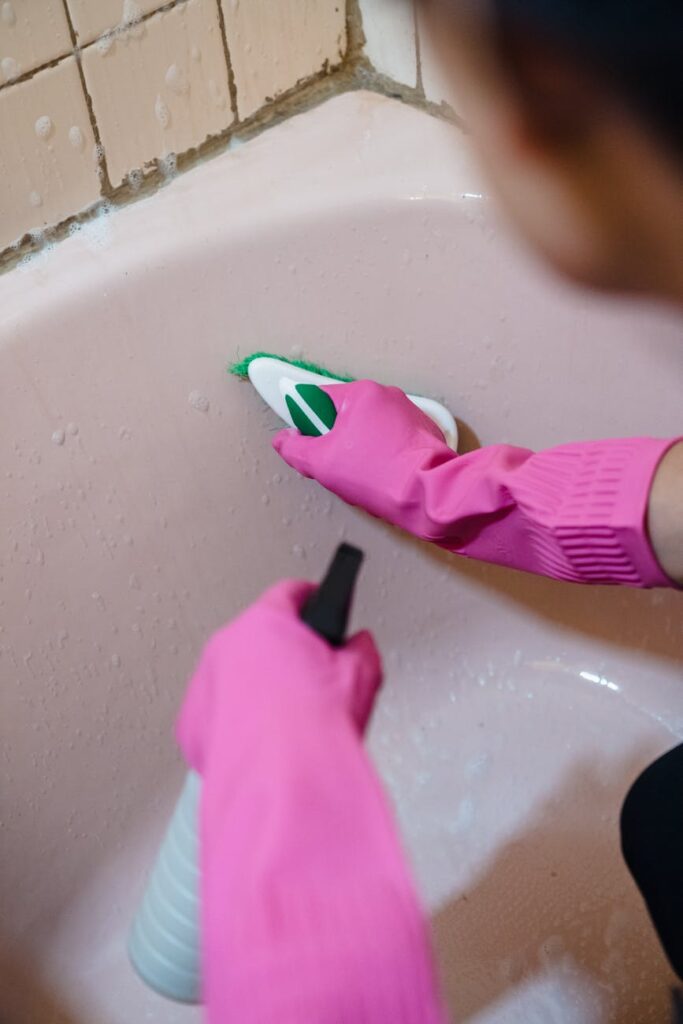
After the solution has set, use a scrub brush or an old toothbrush to scrub the moldy areas. Focus on grout lines and corners where mold often hides.
Step 5: Rinse Thoroughly
Rinse the tiles and grout with warm water to remove cleaning solution and loosened mold. Ensure that all residue is washed away.
Step 6: Dry the Area
Use a microfiber cloth to dry the tiles thoroughly. This step is crucial to prevent mold from re-establishing itself.
Step 7: Dispose of Cleaning Materials
Properly dispose of any materials used in the cleaning process, especially if they are contaminated with mold.
Best Cleaning Methods
There are several effective methods for removing mold from shower tiles:
1. Vinegar: A natural disinfectant that kills most mold species. It’s non-toxic and safe for regular use.
2. Baking Soda: Works as an abrasive cleaner and deodorizer. It’s effective for scrubbing away tough stains.
3. Hydrogen Peroxide: This can be used as a stronger alternative for severe mold infestations. It’s safe and non-toxic when used properly.
4. Commercial Mold Removers: These are available at most home improvement stores. Look for products that are specifically designed for bathroom use.
Common Mistakes to Avoid
Prevention Tips
Preventing mold is easier than removing it. Here are some tips to keep your shower clean:
Frequently Asked Questions
1. How often should I clean my shower to prevent mold?
Aim for a deep clean at least once a week, with quick wipe-downs after each use.
2. Can I use vinegar on colored grout?
Yes, vinegar is generally safe for colored grout, but always do a spot test first to ensure it doesn’t cause discoloration.
3. What is the best time to clean my shower?
Cleaning the shower after your last shower of the day is ideal, as you can let the area dry overnight.
4. Are there any natural mold inhibitors?
Yes, essential oils like tea tree oil and lavender can help inhibit mold growth when added to cleaning solutions.
5. How can I tell if mold is gone?
After cleaning, if there are no visible stains or odors, the mold is likely gone. Regular inspections will help ensure it doesn’t return.
6. Is it necessary to wear gloves when cleaning?
Yes, gloves protect your skin from harsh cleaning agents and mold exposure, making the cleaning process safer.
By following this guide, you can effectively tackle mold on your shower tiles and create a pleasant, clean environment for your daily routines. Stay tuned for Part 2, where we’ll discuss advanced cleaning techniques and product recommendations.