
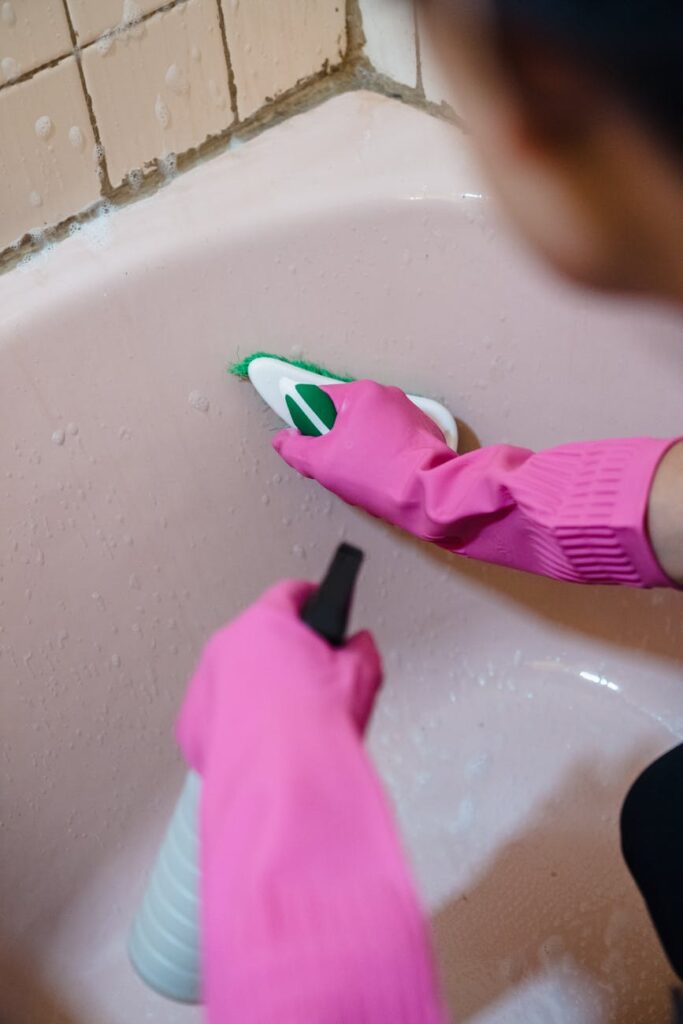
Shower Tile Cleaning Stains Guide Part 1
Introduction
Shower tiles are often the unsung heroes of our bathrooms, providing a clean and aesthetic environment. However, they can quickly become victims of stubborn stains from soap scum, mildew, and hard water. This guide will help you understand the causes of these stains, how to tackle them effectively, and prevent them from returning. Let’s dive into the nitty-gritty of shower tile cleaning.
What Causes Stains?
Stains on shower tiles can arise from various sources, including:
1. Soap Scum: A combination of soap and minerals in hard water creates a filmy residue that can become hardened over time.
2. Mildew and Mold: High humidity levels in the shower encourage the growth of these fungi, which often appear as dark spots or patches.
3. Hard Water Deposits: Minerals like calcium and magnesium can leave chalky white stains on tiles.
4. Body Oils and Skin Products: Oils from skin products can accumulate on tiles, attracting dirt and grime.
Understanding these causes is the first step in effectively cleaning and maintaining your shower tiles.
Why This Problem Happens
Stains occur in showers primarily due to the conditions conducive to moisture and heat. Showers, being warm and humid, create an ideal environment for bacteria, mold, and mildew growth. Furthermore, the minerals present in hard water can accumulate over time, leading to more pronounced staining. Regular cleaning is crucial, as neglecting these factors can result in permanent damage to your tile’s surface.
How to Fix Stains (Step-by-Step)
Step 1: Gather Your Supplies
Before you start cleaning, gather the following supplies:
- Baking soda
- White vinegar
- Dish soap
- Spray bottle
- Soft-bristle brush or sponge
- Microfiber cloth
- Rubber gloves
- Mix baking soda with water to create a thick paste.
- Apply it generously to the stained areas.
- Let it sit for about 10-15 minutes.
- For mildew, spray undiluted white vinegar directly onto the affected area.
- Allow it to sit for 10-15 minutes to kill mold spores.
- Gently scrub the paste or vinegar-treated areas using a brush or sponge.
- Focus on corners and grout lines where buildup is common.
- Use a handheld showerhead or a bucket to rinse off the cleaning solutions.
- Ensure all residue is washed away to prevent new stains.
- Wipe down the tiles to remove moisture.
- This step reduces the likelihood of new stains forming.
- Vinegar and Baking Soda: A classic combination for tackling soap scum and hard water stains.
- Commercial Tile Cleaners: Look for non-toxic options specifically designed for tiles.
- Hydrogen Peroxide: Effective against mildew; mix with baking soda for a potent paste.
- Steam Cleaning: For a chemical-free method, consider using a steam cleaner to lift dirt from tiles.
Step 2: Identify the Stain Type
Determine whether the stain is due to soap scum, mildew, or hard water. This will dictate your cleaning approach.
Step 3: Apply Baking Soda Paste
1. Soap Scum and Hard Water Stains:
Step 4: Spray with Vinegar
1. Mildew and Mold:
Step 5: Scrub the Stains
1. Use a Soft-Bristle Brush:
Step 6: Rinse Thoroughly
1. Rinse with Warm Water:
Step 7: Dry the Area
1. Use a Microfiber Cloth:
Best Cleaning Methods
Common Mistakes to Avoid
1. Using Abrasive Cleaners: Avoid scouring pads or harsh chemicals that can scratch tiles.
2. Neglecting Grout: Grout can absorb stains; clean it regularly to prevent discoloration.
3. Not Rinsing Thoroughly: Residue from cleaning products can attract more dirt if not washed away completely.
4. Ignoring Ventilation: Lack of ventilation can exacerbate mold and mildew growth.
Prevention Tips
1. Squeegee After Use: Wipe down tiles after each shower to reduce moisture buildup.
2. Install a Ventilation Fan: Improving air circulation helps keep your shower dry.
3. Use Water Softeners: If you have hard water, consider installing a water softener to minimize mineral deposits.
4. Regular Cleaning Schedule: Establish a routine cleaning schedule to keep stains at bay.
Frequently Asked Questions
1. How often should I clean my shower tiles?
Aim for a deep clean every 2-4 weeks, with quick wipe-downs after each use.
2. Can I use bleach to clean shower tiles?
While bleach can kill mold, it may damage grout. Use it cautiously and always rinse thoroughly.
3. What is the best way to clean grout?
Use a mixture of baking soda and water or a commercial grout cleaner. Scrub with a toothbrush for best results.
4. How can I remove stubborn stains?
For tough stains, let a baking soda paste sit overnight before scrubbing.
5. Is it safe to use vinegar on all tile types?
Vinegar is safe for ceramic and porcelain tiles but may damage natural stone. Always check the manufacturer’s recommendations.
6. Should I seal my shower tiles?
Sealing can help prevent stains and moisture penetration. Check if your tile type requires sealing.
With this comprehensive guide, you’re now equipped to tackle shower tile stains effectively. Maintaining a clean shower will keep your bathroom looking great and ensure a healthier environment. Stay tuned for Part 2, where we will explore advanced techniques for maintaining your tiles!