
Shower Tile Cleaning Odours Guide Part 1
Introduction
Shower tiles are often a hotspot for unpleasant odours. These unwanted scents can stem from various sources, including mildew, soap scum, and hard water deposits. Not only do they make your bathroom uninviting, but they can also indicate deeper cleanliness issues. This guide provides actionable steps to tackle shower tile odours effectively, ensuring your bathroom remains fresh and welcoming.
What Causes Odours?
Several factors contribute to the unpleasant smells in your shower:
1. Mildew and Mold: These fungi thrive in damp environments and can produce a musty smell.
2. Soap Scum: A buildup of soap residue can trap moisture and create an ideal breeding ground for bacteria.
3. Hard Water: Mineral deposits from hard water can lead to a stale odour over time.
4. Dirty Grout: Grout lines can accumulate dirt and mildew, releasing unpleasant smells.
5. Poor Ventilation: A lack of airflow can cause moisture to linger, exacerbating odour issues.
Understanding the source of the problem is the first step toward finding a solution.
Why This Problem Happens
Odours in your shower tiles commonly occur due to:
- Humidity: Showers create a humid environment, which is perfect for mold and mildew growth.
- Infrequent Cleaning: Regular cleaning prevents buildup, but neglect can lead to persistent smells.
- Water Quality: If your area has hard water, minerals can deposit on tiles and contribute to odours.
- Improper Ventilation: Bathrooms without proper ventilation traps moisture, leading to odour retention.
- Baking soda
- White vinegar
- Spray bottle
- Soft-bristle brush or sponge
- Microfiber cloths
- Rubber gloves
- Neglecting Grout: Many homeowners clean tiles but forget about the grout. Make sure to scrub grout lines thoroughly.
- Using Abrasive Tools: Avoid steel wool or overly abrasive sponges, which can scratch tiles.
- Not Rinsing Enough: Residues from cleaning products can attract dirt and contribute to odours if not properly rinsed.
- Skipping Regular Maintenance: A deep clean is essential, but regular touch-ups can prevent odour buildup.
Identifying these causes will help you implement effective cleaning strategies.
How to Fix Odours (Step-by-Step)
Here’s a straightforward approach to eliminate shower tile odours:
Step 1: Gather Your Supplies
Step 2: Prepare the Area
Ensure the shower is dry before starting the cleaning process. Remove any items like shampoo and soap bottles to access all surfaces.
Step 3: Apply Baking Soda
1. Sprinkle a generous amount of baking soda onto the affected areas of the tiles and grout.
2. Let it sit for about 15 minutes to absorb moisture and odours.
Step 4: Mix Vinegar Solution
1. In a spray bottle, mix equal parts of white vinegar and water.
2. Spray the solution over the baking soda. You’ll notice fizzing; this reaction helps lift dirt and grime.
Step 5: Scrub the Tiles
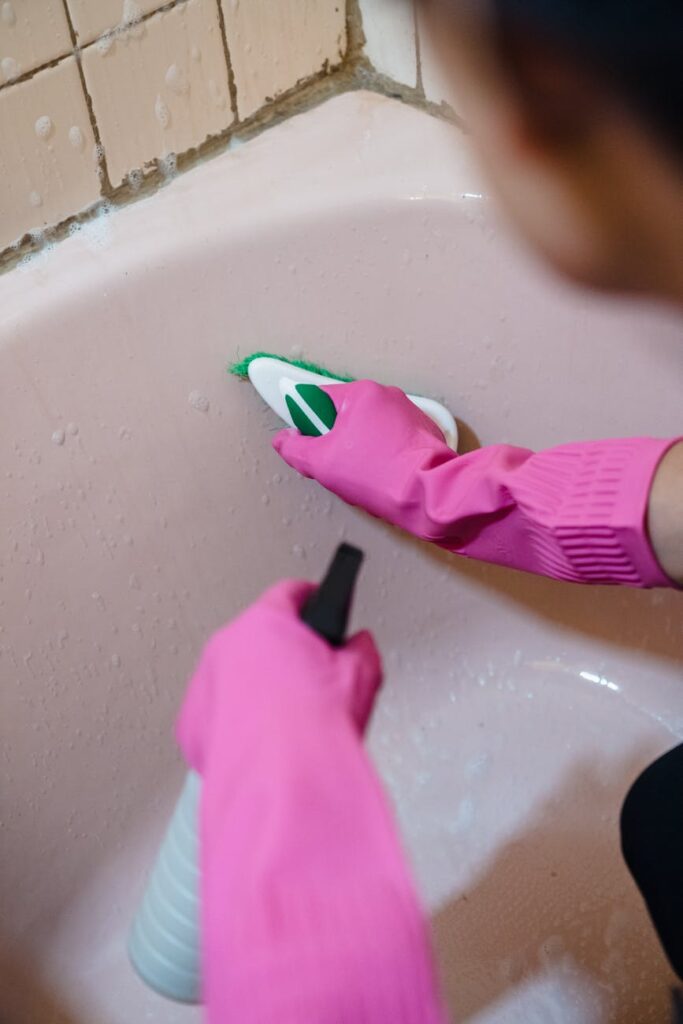
1. Use a soft-bristle brush or sponge to scrub the tiles and grout.
2. Focus on areas with visible stains or mildew.
Step 6: Rinse Thoroughly
Rinse the shower walls and floor thoroughly with warm water to remove all cleaning residues.
Step 7: Dry the Area
Use a microfiber cloth to wipe down surfaces. This step is crucial for preventing future odours.
Best Cleaning Methods
1. Baking Soda and Vinegar
This classic combination is effective for breaking down soap scum and mildew. The abrasive nature of baking soda helps scrub away grime, while vinegar’s acidity kills bacteria.
2. Hydrogen Peroxide
For stubborn mildew, you can use a solution of hydrogen peroxide. Spray it on the affected areas, let it sit for about 10 minutes, and scrub before rinsing.
3. Commercial Cleaners
If natural methods don’t do the trick, consider using commercial tile cleaners specifically designed to combat mildew and soap scum.
Common Mistakes to Avoid
Prevention Tips
1. Ventilation: Ensure your bathroom is well-ventilated. Use exhaust fans or keep windows open during and after showers.
2. Regular Cleaning: Establish a routine cleaning schedule, ideally once a week, to prevent buildup.
3. Wipe Down Surfaces: After each shower, use a squeegee or microfiber cloth to wipe down tiles and prevent moisture retention.
4. Seal Grout: Consider sealing your grout lines to prevent moisture absorption and reduce mildew growth.
5. Use a Shower Mat: Place a washable mat outside the shower to absorb excess moisture.
Frequently Asked Questions
1. How often should I clean my shower tiles?
Aim for a thorough cleaning every week, with quick wipe-downs after each use.
2. Can I use bleach to remove odours?
While bleach can kill mildew, it can also damage grout and tiles. Use it sparingly and consider safer alternatives first.
3. What should I do if the odour persists after cleaning?
If the smell continues, check for hidden mold behind tiles or in the walls. You may need professional help.
4. Are there any natural alternatives to commercial cleaners?
Yes, baking soda, vinegar, and hydrogen peroxide are effective natural alternatives for cleaning shower tiles.
5. How can I reduce humidity in my bathroom?
Use an exhaust fan, keep the bathroom door open during and after showers, and consider a dehumidifier if necessary.
6. What type of grout is best for preventing mildew?
Epoxy grout is more resistant to moisture and staining compared to traditional cement-based grout, making it a better choice for showers.
With these practical steps and tips, you can tackle odours in your shower tiles and maintain a fresh, inviting bathroom space. Stay tuned for Part 2, where we’ll delve deeper into advanced cleaning techniques and solutions!