
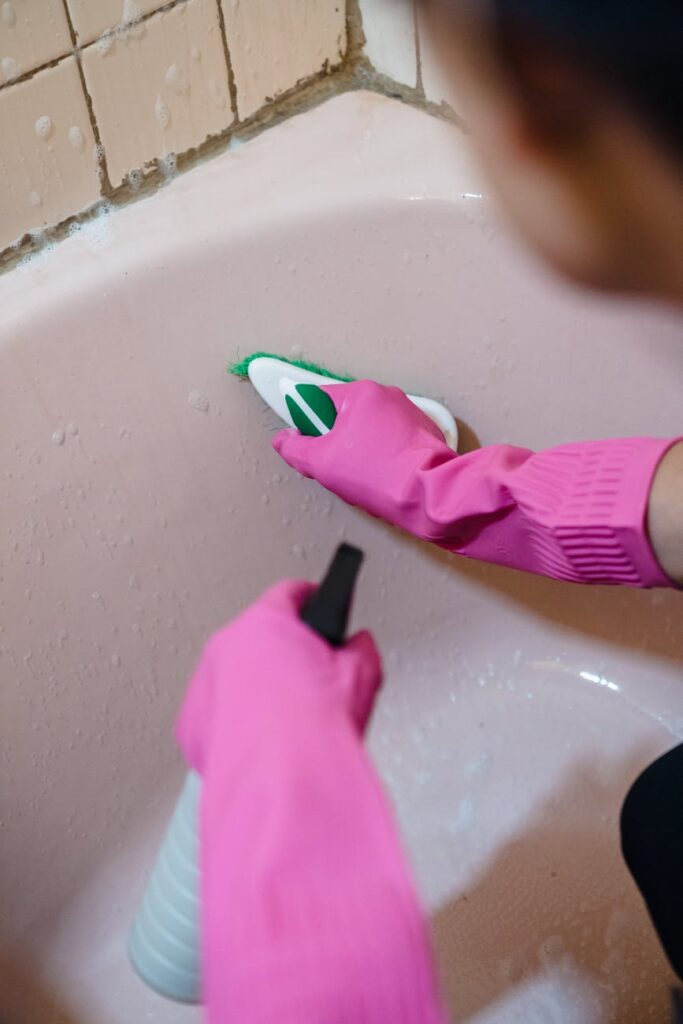
Shower Tile Cleaning Mould & Damp Guide Part 1
Introduction
Mould and dampness in shower tiles are common household issues that can lead to unsightly stains and unpleasant odors. They thrive in moist environments and can be challenging to eliminate if not addressed promptly. This guide provides practical steps to tackle mould and damp in your shower tiles effectively.
What Causes Mould & Damp?
Mould and damp conditions arise from excess moisture. In showers, several factors contribute to this problem:
- High Humidity: Bathrooms often have high humidity levels, especially during and after showers.
- Poor Ventilation: Lack of proper airflow can trap moisture, creating an ideal breeding ground for mould.
- Water Leakage: Leaks from pipes or fixtures can lead to damp patches on tiles and grout.
- Dirty Tiles: Soap scum and body oils can create a food source for mould.
- Rubber gloves
- Scrub brush or sponge
- Bucket
- White vinegar
- Baking soda
- Spray bottle
- Bleach (optional for severe mould)
- Old towels or cloths
- Ensure the bathroom is well-ventilated. Open windows and turn on an exhaust fan.
- Remove any items from the shower area to allow for thorough cleaning.
- Use a scrub brush or sponge to scrub the affected areas thoroughly.
- Rinse the tiles with warm water to remove the cleaning solution.
- Use old towels or cloths to dry the tiles completely.
- Ensure that all areas are dry to prevent further mould growth.
- Vinegar: Effective against most mould due to its acidic nature. Safe for regular use.
- Baking Soda: A gentle abrasive that helps scrub away mould without scratching tiles.
- Bleach: Powerful against mould but should be used sparingly and with caution due to its strong fumes.
Understanding these causes is the first step in effectively tackling mould and damp issues.
Why This Problem Happens
Mould and damp in shower tiles occur primarily due to the following reasons:
1. Condensation: When warm, humid air meets cooler surfaces, condensation forms, leading to dampness.
2. Neglected Cleaning: Regular cleaning prevents dirt and soap scum accumulation, which can contribute to mould growth.
3. Grout Issues: Old or cracked grout can allow water to seep into the underlying material, fostering dampness.
4. Inadequate Drainage: Poorly designed or clogged shower drains can cause standing water, enhancing mould growth.
Awareness of these factors helps homeowners take proactive measures to prevent and combat these issues.
How to Fix Mould & Damp (Step-by-Step)
Step 1: Gather Your Supplies
Before you start cleaning, gather the following items:
Step 2: Prepare the Area
Step 3: Apply a Cleaning Solution
For Mild Mould:
1. Mix equal parts of white vinegar and water in a spray bottle.
2. Spray the affected areas and let it sit for 15-20 minutes.
For Stubborn Mould:
1. Create a paste of baking soda and water.
2. Apply it directly to the mouldy areas and scrub with a brush.
Step 4: Scrub and Rinse
Step 5: Dry Thoroughly
Step 6: Treat Persistent Mould (If Necessary)
If mould persists, consider using a diluted bleach solution (1 cup of bleach in a gallon of water). Apply it carefully and follow the same scrubbing and rinsing steps. Always ensure good ventilation when using bleach.
Best Cleaning Methods
Choose a method based on the severity of the mould and your comfort level with cleaning products.
Common Mistakes to Avoid
1. Ignoring Grout: Mould often lurks in grout lines. Ensure you clean these areas thoroughly.
2. Using too Much Water: Excess water can seep into grout and worsen dampness. Use just enough to clean and rinse.
3. Not Ventilating: Failing to ventilate the bathroom can trap moisture, reversing your cleaning efforts.
4. Skipping Regular Maintenance: Neglecting regular cleaning leads to build-up and persistent mould issues.
Avoiding these mistakes will streamline the cleaning process and help maintain a mould-free environment.
Prevention Tips
1. Ventilation: Always use an exhaust fan during and after showers to reduce humidity levels.
2. Regular Cleaning: Clean shower tiles weekly to prevent mould build-up.
3. Seal Grout: Apply a grout sealer annually to protect against moisture penetration.
4. Wipe Down Surfaces: After each shower, use a towel or squeegee to wipe down tiles and prevent water accumulation.
5. Fix Leaks Promptly: Address any leaks in plumbing or fixtures immediately to reduce dampness.
Implementing these prevention tips can significantly reduce the likelihood of mould and damp issues in your shower.
Frequently Asked Questions
1. How often should I clean my shower tiles?
Aim to clean your shower tiles at least once a week to prevent mould and soap scum build-up.
2. Can I use vinegar on all types of tiles?
While vinegar is generally safe for most tiles, avoid using it on natural stone tiles, as it can damage the surface.
3. Is bleach safe for coloured grout?
Bleach can discolor coloured grout. Test a small area first or opt for a more suitable cleaner.
4. What can I do if the mould keeps returning?
If mould keeps returning, check for leaks, improve ventilation, and ensure regular cleaning practices are in place.
5. Can I prevent mould with essential oils?
Certain essential oils, like tea tree or lavender, have antifungal properties. You can add them to your cleaning solutions for extra protection.
6. What should I do if I have a severe mould problem?
If mould covers a large area or persists despite cleaning, consider consulting a professional for remediation.
By following this guide, you can effectively tackle mould and damp issues in your shower tiles, ensuring a clean and healthy bathroom environment. Stay tuned for Part 2, where we’ll delve deeper into advanced cleaning techniques and maintenance tips.