
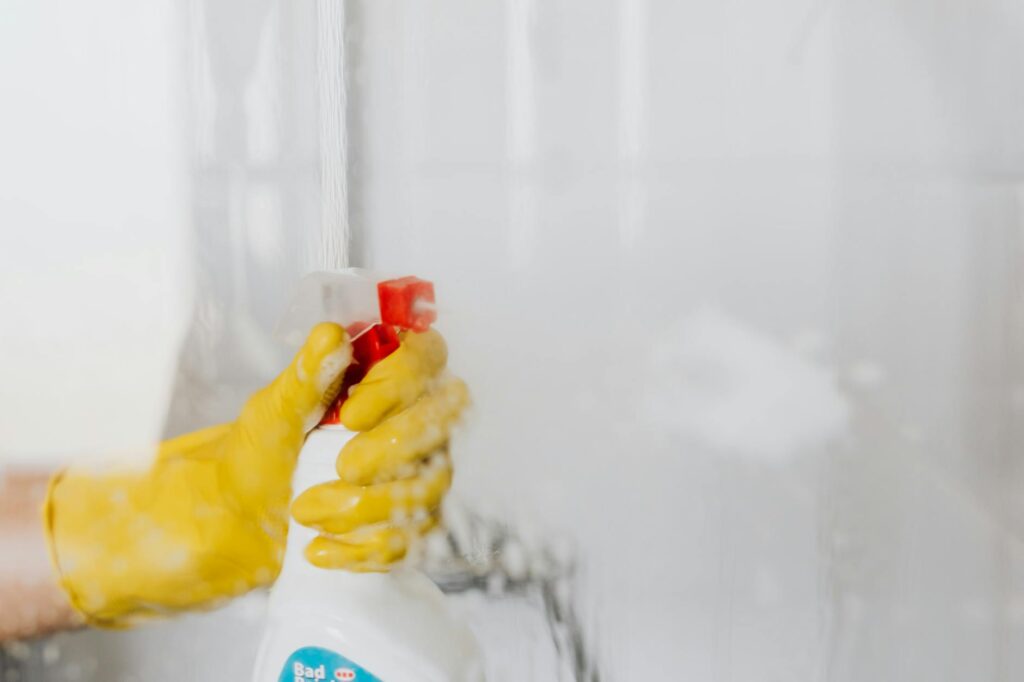
Shower Mold Removal Stains Guide Part 1
Introduction
Shower mold stains can turn a relaxing space into an eyesore. They not only look unpleasant but can also lead to more significant issues if not addressed promptly. This guide will help you identify the causes of these stains, how to effectively remove them, and how to prevent them from coming back.
What Causes Stains?
Shower mold stains typically result from a combination of moisture, heat, and organic materials. Here are the primary culprits:
1. Humidity: Bathrooms are naturally humid environments. This moisture encourages mold and mildew growth.
2. Soap Scum: Soap residue can build up on surfaces, providing a food source for mold and mildew.
3. Body Oils and Hair Products: These can leave behind residues that not only stain surfaces but also contribute to mold growth.
4. Poor Ventilation: Lack of airflow can trap moisture in the bathroom, leading to more mold stains.
Why This Problem Happens
Mold and mildew thrive in damp and warm conditions. Showers often retain moisture after use, especially if they are not well-ventilated. When combined with organic materials, such as soap scum and oils, it creates the perfect breeding ground for these unwanted guests. Over time, what starts as a minor issue can escalate into a significant problem if not addressed.
How to Fix Stains (Step-by-Step)
Removing mold stains from your shower can be done with a systematic approach. Follow these steps for effective cleaning:
Step 1: Gather Your Supplies
Before you start, gather the following supplies:
- Rubber gloves
- Mask
- Scrub brush or sponge
- Spray bottle
- White vinegar
- Baking soda
- Hydrogen peroxide
- Dish soap
- Water
Step 2: Ventilate the Area
Open a window or turn on the bathroom fan to ensure proper ventilation. This helps disperse any fumes from cleaning products and reduces moisture.
Step 3: Prepare a Cleaning Solution
For a natural approach, mix equal parts of white vinegar and water in a spray bottle. For tougher stains, create a paste by mixing baking soda with water, or use hydrogen peroxide directly.
Step 4: Apply the Solution
Spray your chosen cleaning solution generously onto the stained areas. If using a paste, apply it directly to the stains.
Step 5: Let It Sit
Allow the solution to sit for at least 10–15 minutes. This gives it time to penetrate and break down the mold and stains.
Step 6: Scrub the Area
Using a scrub brush or sponge, gently scrub the stained areas in a circular motion. Focus on the corners and grout lines where mold tends to accumulate.
Step 7: Rinse Thoroughly
After scrubbing, rinse the surfaces with warm water to remove any residual cleaning solution and loosened stains.
Step 8: Dry the Area
Use a towel or squeegee to dry the shower surfaces. This helps prevent future mold growth by removing moisture.
Best Cleaning Methods
Different cleaning methods can be effective for various types of stains. Here are some of the most effective options:
1. White Vinegar
Vinegar is a natural mold killer and deodorizer. It’s safe for most surfaces and can be sprayed directly onto the stains.
2. Baking Soda
Baking soda acts as a mild abrasive that can help scrub away tough stains while neutralizing odors.
3. Hydrogen Peroxide
This is a powerful disinfectant that can effectively kill mold spores. Use it in a spray bottle for easy application.
4. Dish Soap
For soap scum, mix dish soap with vinegar or baking soda to create a powerful cleaning paste.
5. Commercial Cleaners
If natural methods fail, consider using a commercial mold and mildew remover. Always follow the manufacturer’s instructions and test on a small area first.
Common Mistakes to Avoid
To achieve the best results when removing mold stains, be aware of these common pitfalls:
1. Not Ventilating: Failing to ventilate the area can lead to inhaling fumes and prolong the drying process.
2. Using Bleach: While bleach can kill mold, it often leaves behind spores that can regrow. It can also discolor surfaces.
3. Neglecting Grout: Mold often hides in grout lines. Make sure to clean these areas thoroughly.
4. Not Testing Products: Always test new cleaning products on a small, inconspicuous area before applying them widely.
5. Skipping Drying: Not drying the area after cleaning allows moisture to remain, which can lead to mold returning quickly.
Prevention Tips
Preventing mold stains in your shower is much easier than removing them. Here are some effective strategies:
1. Improve Ventilation: Use an exhaust fan or open windows to reduce humidity levels in the bathroom.
2. Wipe Down Surfaces: After each shower, take a few minutes to wipe down walls and surfaces to remove excess moisture.
3. Use a Squeegee: Keep a squeegee in the shower to remove water from walls and doors after use.
4. Choose Mold-Resistant Products: Consider using mold-resistant shower curtains and bathroom paints.
5. Regular Cleaning: Establish a regular cleaning schedule to prevent mold from gaining a foothold.
Frequently Asked Questions
1. How often should I clean my shower to prevent mold?
Aim to clean your shower at least once a week to prevent mold buildup.
2. Can I use bleach to remove mold stains?
While bleach can kill mold, it often leaves behind spores that can regrow. It’s not the best long-term solution.
3. How can I tell if I have mold or just soap scum?
Mold often appears as dark spots or fuzzy patches, whereas soap scum usually looks like a film or residue.
4. Does vinegar really kill mold?
Yes, vinegar can kill most types of mold and is a safe alternative to harsh chemicals.
5. What should I do if the mold keeps coming back?
If mold keeps returning, you may need to address underlying issues like poor ventilation or leaks.
6. Is it safe to use commercial mold removers?
Yes, as long as you follow the manufacturer’s instructions and take necessary precautions. Always test on a small area first.
By understanding the causes of shower mold stains and implementing effective cleaning and prevention methods, you can maintain a clean, mold-free shower environment. Stay tuned for Part 2, where we’ll delve deeper into specific cleaning products and advanced techniques for stubborn stains.