
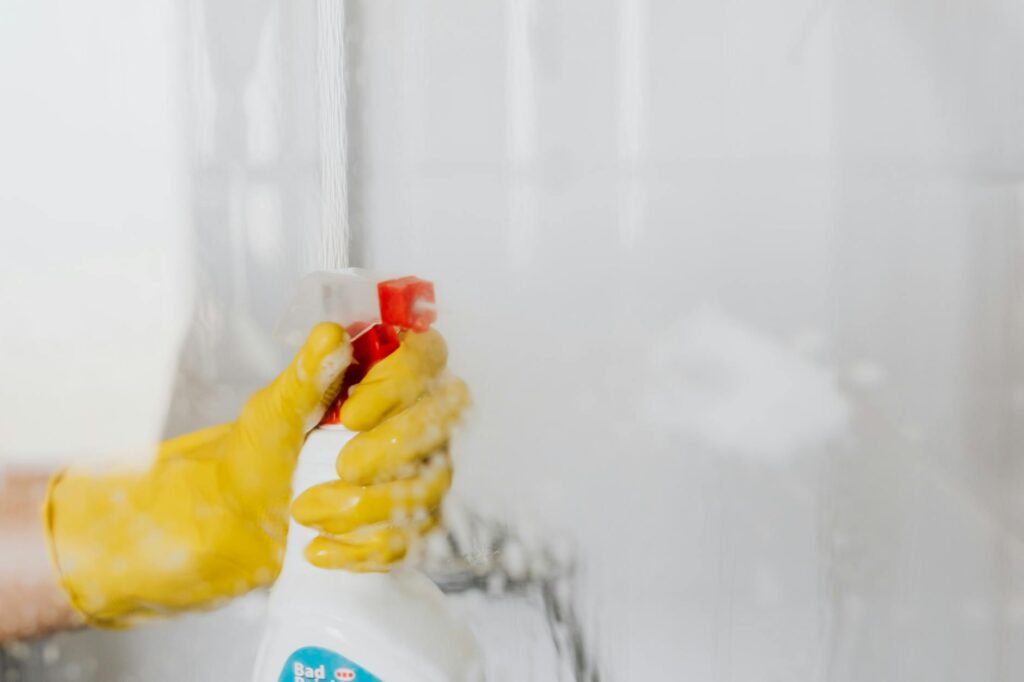
Shower Mold Removal: Mould & Damp Guide Part 1
Introduction
Mould and dampness in showers are common issues that many homeowners face. Not only do they create unsightly stains, but they can also lead to structural damage if left untreated. This guide will walk you through understanding the causes of mould and damp, how to effectively remove it, and the best methods to prevent future growth.
What Causes Mould & Damp?
Mould thrives in damp, warm environments. In showers, the combination of moisture from daily use and insufficient ventilation creates an ideal breeding ground. Here are some common causes:
- High Humidity: Showers produce a lot of steam, which raises humidity levels.
- Poor Ventilation: Lack of windows or exhaust fans leads to moisture buildup.
- Water Leaks: Dripping pipes or faucets can introduce excess moisture.
- Condensation: Cold surfaces in the shower can cause water to condense.
- Temperature Fluctuations: Changes in temperature can create condensation, particularly in bathrooms without proper heating.
- Neglected Cleaning: Regular cleaning is essential to remove soap scum and grime where mould can grow.
- Building Materials: Certain materials, like drywall and wood, are more susceptible to mould growth when wet.
- Insufficient Drainage: Poor shower drainage can leave standing water, promoting mould growth.
- Rubber gloves
- Protective eyewear
- Scrub brush or sponge
- Spray bottle
- Vinegar or bleach
- Baking soda
- Old towels or rags
- For Mild Mould: Use a 50/50 solution of vinegar and water. Spray the affected areas generously and let it sit for 30 minutes.
- For Heavy Mould: Use bleach mixed with water (one cup of bleach to one gallon of water). Apply and let it sit for 10-15 minutes.
Why This Problem Happens
Understanding why mould and damp occur can help you tackle the issue more effectively. Here are some key factors:
How to Fix Mould & Damp (Step-by-Step)
Step 1: Gather Your Supplies
Before starting the cleaning process, gather the following supplies:
Step 2: Prepare the Area
Ensure good ventilation by opening windows or turning on an exhaust fan. Remove any items from the shower area to avoid damage.
Step 3: Apply Cleaning Solution
Step 4: Scrub the Area
Using a scrub brush or sponge, scrub the mouldy areas vigorously. Pay close attention to grout lines, corners, and any fixtures.
Step 5: Rinse Thoroughly
After scrubbing, rinse the area with warm water to remove any residue from the cleaning solution. Use old towels to wipe down surfaces.
Step 6: Dry the Area
Ensure the shower is completely dry. Use towels to absorb excess moisture and leave the door or window open to promote airflow.
Best Cleaning Methods
1. Vinegar Solution
Vinegar is a natural mould killer. Its acidity helps break down mould and prevent its return. Mix equal parts vinegar and water in a spray bottle for general use.
2. Bleach Solution
Bleach is effective for severe mould infestations but should be used with caution. Always wear gloves and ensure proper ventilation when using bleach.
3. Baking Soda Paste
For stubborn stains, mix baking soda with water to form a paste. Apply it to the affected area, let it sit, then scrub and rinse.
4. Commercial Mould Removers
There are various mould removal products available on the market. Choose one that’s suitable for your specific needs and follow the manufacturer’s instructions.
Common Mistakes to Avoid
1. Using Too Much Cleaning Solution: More is not always better. Excess solution can leave residues.
2. Not Ventilating Properly: Always ensure proper airflow when using cleaning chemicals.
3. Ignoring Grout and Seals: Mould often hides in grout lines or sealant. Don’t forget to clean these areas thoroughly.
4. Neglecting Regular Maintenance: Regular cleaning and checks can prevent mould from returning.
Prevention Tips
1. Improve Ventilation: Install an exhaust fan or open windows during and after showers to reduce humidity.
2. Wipe Down Surfaces: After each shower, use a squeegee or towel to dry walls and fixtures.
3. Seal Grout: Use a grout sealer every 6-12 months to protect against moisture.
4. Regular Cleaning: Schedule regular cleanings to keep mould at bay. Aim for at least once a week.
5. Check for Leaks: Regularly inspect pipes and fixtures for leaks or signs of dampness.
Frequently Asked Questions
1. How often should I clean my shower to prevent mould?
Aim for a weekly cleaning routine to keep mould at bay and maintain a fresh environment.
2. Can I use vinegar and bleach together?
No, mixing vinegar and bleach creates toxic fumes. Use one or the other, but never combine them.
3. What’s the best way to ventilate my bathroom?
Install an exhaust fan or keep a window open during and after showers to improve airflow.
4. How can I tell if I have mould behind my tiles?
Look for discoloration, musty smells, or damp patches. If you suspect mould behind tiles, consult a professional.
5. Are there any natural mould removers?
Yes, vinegar, baking soda, and tea tree oil are effective natural solutions for mould removal.
6. Can I prevent mould in my shower?
Yes, by improving ventilation, regularly cleaning surfaces, and ensuring moisture doesn’t accumulate, you can significantly reduce mould growth.
By following the steps outlined in this guide, you can effectively tackle mould and dampness in your shower, ensuring a clean and healthy space for you and your family. Stay tuned for Part 2, where we’ll dive deeper into advanced mould prevention techniques and solutions.