
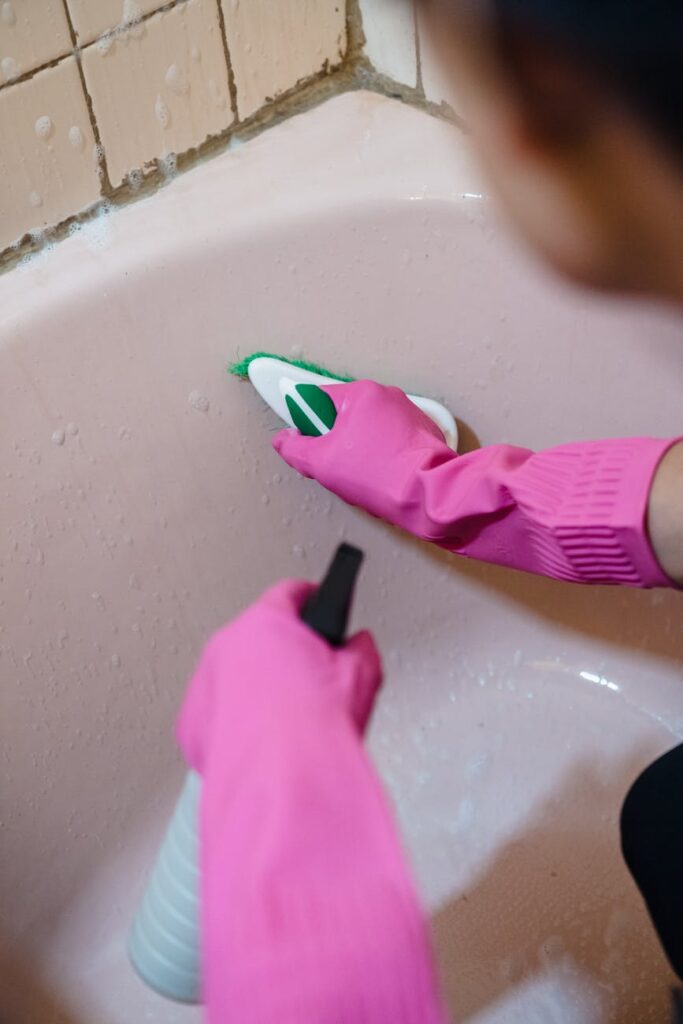
Shower Mold & Damp Guide Part 1
Introduction
Shower mold and dampness are more than just unsightly; they can lead to more significant issues in your home, including structural damage and unpleasant odors. Understanding how to tackle these problems effectively is essential for maintaining a clean and healthy bathroom. In this guide, we’ll explore the causes of mold and dampness, how to fix the issue, the best cleaning methods, and tips to prevent recurrence.
What Causes Mould & Damp?
Mold thrives in moist environments, making your shower an ideal breeding ground. The primary causes of mold and damp include:
- High Humidity: Bathrooms often have elevated humidity levels due to hot showers and baths.
- Poor Ventilation: Lack of airflow can trap moisture, allowing mold to flourish.
- Water Leaks: Dripping faucets or faulty showerheads can create puddles that encourage mold growth.
- Soap Scum and Residue: Soap and shampoo residues can provide nutrients for mold.
- Condensation: Moisture on walls and tiles can accumulate, especially in colder months.
- Protective gloves
- A mask (to avoid inhaling spores)
- Scrub brush or sponge
- Bucket
- Cleaning solution (vinegar, baking soda, or commercial mold cleaner)
- Spray bottle
- Old toothbrush (for grout)
- Remove any items from the shower (shampoos, soaps, etc.).
- Ensure the bathroom is well-ventilated.
- For a natural solution, mix equal parts of vinegar and water in a spray bottle, or sprinkle baking soda directly onto moldy areas.
- Spray or sprinkle generously on affected areas.
- Allow the cleaning solution to sit for at least 15-30 minutes. This helps penetrate and kill the mold.
- Use a scrub brush or sponge to scrub away the mold. For grout lines, an old toothbrush works well.
- Rinse the shower with warm water to remove any remaining cleaning solution and mold residue.
- Use a towel or squeegee to dry the surfaces. This step is crucial to prevent mold from returning.
- Install an exhaust fan or ensure windows are opened during and after showers.
- Clean your shower at least once a week to prevent build-up.
- After each shower, use a squeegee to remove excess water from walls and doors.
- Regularly check and reseal grout and caulk to prevent moisture penetration.
- Wipe down surfaces after use to minimize moisture.
Why This Problem Happens
Understanding why mold and damp occur is crucial for effective cleaning. Here are some common reasons:
1. Inadequate Ventilation
Bathrooms often lack sufficient airflow, especially if they do not have a window or an exhaust fan. This leads to moisture buildup.
2. Neglecting Regular Cleaning
Not cleaning the shower regularly creates an environment where mold can grow unchecked.
3. Temperature Fluctuations
Rapid temperature changes can lead to condensation on surfaces, promoting dampness.
4. Old Grout or Caulk
Worn-out grout or caulk can allow moisture to seep behind tiles or into cracks, creating a prime spot for mold.
How to Fix Mould & Damp (Step-by-Step)
If you find mold in your shower, don’t worry. Follow these steps to effectively remove it:
Step 1: Gather Supplies
You will need:
Step 2: Prepare the Area
Step 3: Apply the Cleaning Solution
Step 4: Let It Sit
Step 5: Scrub the Affected Areas
Step 6: Rinse Thoroughly
Step 7: Dry the Area
Best Cleaning Methods
When it comes to cleaning shower mold, the following methods are effective:
1. Vinegar
Vinegar is a natural disinfectant. Its acidity helps break down mold without harsh chemicals.
2. Baking Soda
Baking soda is a gentle abrasive that can help scrub away mold while neutralizing odors.
3. Hydrogen Peroxide
A 3% hydrogen peroxide solution can effectively kill mold spores. Spray it on, let it sit, and scrub.
4. Commercial Mold Cleaners
If natural methods are ineffective, consider using a commercial cleaner specifically designed for mold and mildew.
Common Mistakes to Avoid
Avoid these pitfalls when dealing with mold:
1. Using the Wrong Products
Avoid bleach for mold removal in showers, as it can often worsen the problem by promoting mold growth.
2. Ignoring High Humidity
Don’t neglect to address humidity levels. Invest in an exhaust fan or a dehumidifier if necessary.
3. Not Scrubbing
Simply spraying a solution without scrubbing won’t remove mold. Physical removal is essential.
4. Failing to Dry the Area
Drying surfaces after cleaning is critical. Mold thrives in damp environments.
Prevention Tips
Once you’ve successfully dealt with mold, here are ways to prevent it from returning:
1. Improving Ventilation
2. Regular Cleaning
3. Use a Squeegee
4. Seal Grout and Caulk
5. Keep the Bathroom Dry
Frequently Asked Questions
1. How can I tell if I have a serious mold problem?
If you notice extensive growth, a musty smell, or experience allergic reactions, it may be time to consult a professional.
2. Can mold in the shower be harmful?
While not all mold is harmful, some types can cause health issues, particularly for those with allergies or respiratory problems.
3. How often should I clean my shower?
Aim to clean your shower at least once a week to keep mold and mildew at bay.
4. Is it safe to use bleach on shower mold?
Using bleach is not recommended as it can worsen mold growth and produce harmful fumes.
5. What should I do if mold keeps returning?
If mold keeps returning despite your efforts, consider checking for leaks or consulting a mold remediation specialist.
6. Can I prevent mold without cleaning?
Regular cleaning is essential for prevention. You can also improve ventilation and reduce humidity levels to help.
By following this guide, you can effectively tackle and prevent shower mold and dampness, ensuring a clean and healthy bathroom environment. Stay tuned for Part 2, where we will delve deeper into maintenance strategies and explore more advanced cleaning techniques.