
Shower Mold Kitchen Guide Part 1
Introduction
Mold in the kitchen can be a pesky problem that not only looks unsightly but can also pose health risks. Particularly in areas where moisture accumulates, such as around the shower or sink, mold can thrive if not addressed promptly. This guide will help you understand the causes of kitchen mold, how to effectively clean it, and most importantly, how to prevent it from returning.
What Causes Kitchen Mold?
Kitchen mold primarily thrives in damp, warm environments. Here are the main contributors:
1. High Humidity: Kitchens often have high moisture levels due to cooking and washing dishes.
2. Poor Ventilation: Lack of airflow can trap humidity, creating an ideal environment for mold.
3. Leaks: Leaky pipes or faucets can lead to water pooling in cabinets or under sinks.
4. Condensation: Temperature differences can cause moisture to form on surfaces, especially in colder months.
Why This Problem Happens
Understanding why mold occurs is essential in tackling it effectively. Here’s a breakdown:
- Condensation: As steam rises from cooking or hot showers, it can condense on cool surfaces, leading to mold growth.
- Food Particles: If spills or food particles are left uncleaned, they can contribute to mold growth.
- Clogged Drains: Slow drains can accumulate water, creating a breeding ground for mold.
- Rubber gloves
- Mask
- Bucket
- Scrub brush or sponge
- Spray bottle
- White vinegar or a commercial mold cleaner
- Baking soda
- Water
- Turn Off Water: Ensure that any leaks are fixed and water sources are turned off.
- Ventilate: Open windows and doors to allow fresh air to circulate.
- Protect Yourself: Wear rubber gloves and a mask to avoid inhaling mold spores.
- Inspect under the sink, around the shower, and any other areas prone to moisture.
- Look for black or green spots, especially in corners and crevices.
- For Vinegar Solution: Fill a spray bottle with equal parts water and white vinegar. Spray the affected areas generously.
- For Baking Soda Paste: Mix baking soda with water to create a paste and apply it to moldy spots.
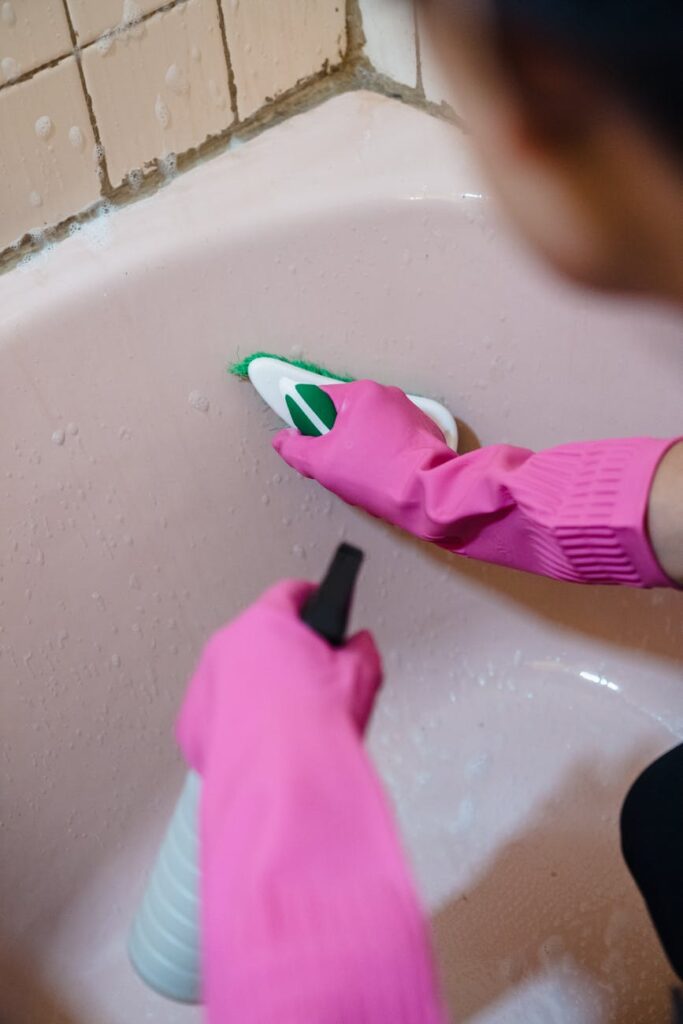
- Use a scrub brush or sponge to scrub away the mold. Be thorough, especially in grout lines and corners.
- For stubborn mold, let the solution sit for 15–20 minutes before scrubbing.
- Wipe the area with a clean, damp cloth to remove any residue.
- Ensure the area is dried completely to prevent mold from returning.
- Ignoring the Root Cause: Always address leaks or moisture issues before cleaning.
- Using Too Much Water: Excessive moisture can encourage mold regrowth.
- Not Ventilating: Failing to ventilate can trap spores and moisture during cleaning.
- Skipping Prevention: Cleaning without prevention measures is only a temporary fix.
How to Fix Kitchen Mold (Step-by-Step)
Cleaning mold requires a systematic approach. Here’s a step-by-step guide:
Step 1: Gather Your Supplies
Before you start, gather the following cleaning supplies:
Step 2: Prepare the Area
Step 3: Identify Affected Areas
Step 4: Apply Cleaning Solution
Step 5: Scrub the Mold
Step 6: Rinse and Dry
Best Cleaning Methods
Different methods can be effective for different types of mold:
1. White Vinegar: A natural disinfectant that can kill 82% of mold species. It’s safe for most surfaces.
2. Hydrogen Peroxide: A powerful mold killer. Use a 3% solution and spray directly onto mold. Let it sit for 10 minutes before scrubbing.
3. Baking Soda: This is great for light mold and helps absorb moisture.
4. Commercial Mold Cleaners: If natural solutions aren’t effective, consider using a store-bought mold cleaner. Always follow the manufacturer’s instructions.
Common Mistakes to Avoid
Avoid these pitfalls to make your cleaning efforts more effective:
Prevention Tips
To keep your kitchen mold-free, consider these proactive measures:
1. Improve Ventilation: Install exhaust fans or open windows while cooking to reduce humidity.
2. Fix Leaks Promptly: Regularly check for leaks under sinks and around appliances.
3. Use a Dehumidifier: Especially in humid climates, a dehumidifier can help control moisture levels.
4. Regular Cleaning: Make a habit of cleaning areas prone to mold at least once a month.
5. Seal Grout and Caulking: Use mold-resistant sealants in areas like the shower and sink.
6. Store Food Properly: Keep food sealed to prevent spills and mold growth.
Frequently Asked Questions
1. How often should I clean for mold in the kitchen?
It’s advisable to clean areas prone to mold once a month and check for leaks or moisture regularly.
2. Can I use bleach to clean mold?
While bleach can kill mold on non-porous surfaces, it can also be harmful and may not work effectively on porous materials like drywall.
3. What are the signs of mold in the kitchen?
Look for discoloration, a musty odor, or visible spots on walls, under the sink, or around appliances.
4. Does mold always return after cleaning?
If the underlying cause of moisture isn’t addressed, mold can return. Regular maintenance and prevention are key.
5. Is it safe to eat food in a moldy kitchen?
No, mold can contaminate food. Clean the area thoroughly and discard any affected food items.
6. How do I know if I have a serious mold problem?
If you see extensive mold growth or experience health issues like respiratory problems, consider consulting a professional.
By following this guide, you’ll be well-equipped to tackle kitchen mold effectively and take steps to prevent it from returning. Stay proactive, and your kitchen will remain a clean, healthy space for you and your family.