
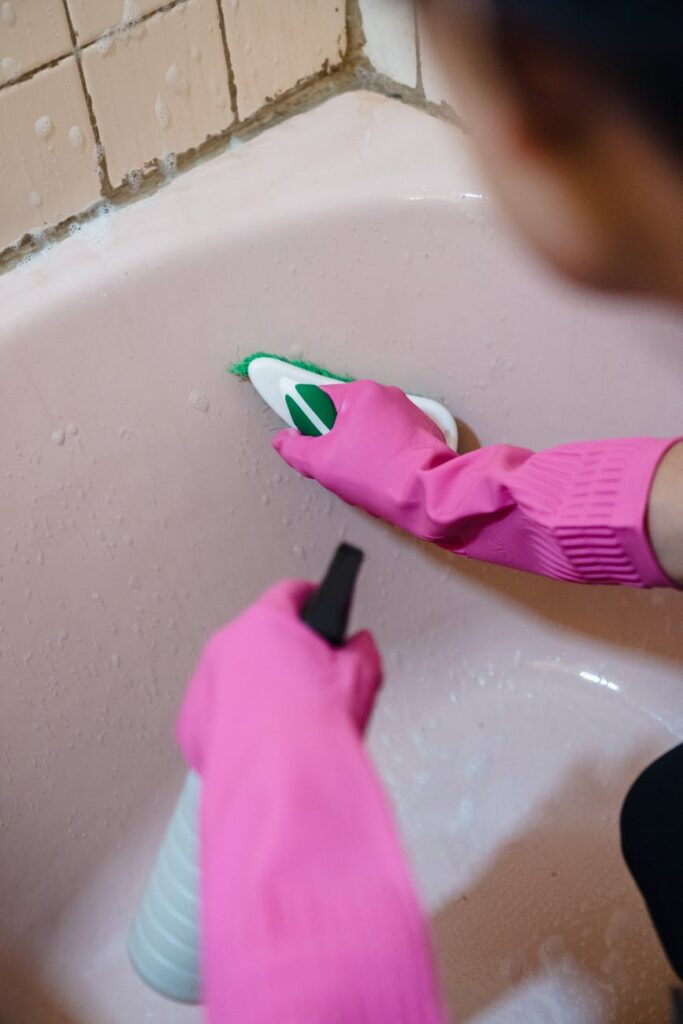
Shower Mold Bathroom Guide Part 1
Introduction
Shower mold is a common nuisance in many bathrooms. It not only looks unappealing but can also lead to unpleasant odors and potential health issues. This guide will provide you with practical solutions to identify, remove, and prevent mold in your shower. By following these steps, you can ensure a cleaner, healthier bathroom environment.
What Causes Bathroom Mold?
Mold thrives in warm, damp environments, which makes bathrooms the perfect breeding ground. Here are some primary factors contributing to mold growth in showers:
1. Humidity: The steam from hot showers increases humidity levels, creating a conducive environment for mold.
2. Poor Ventilation: Inadequate airflow prevents moisture from escaping, allowing mold spores to settle and grow.
3. Water Accumulation: Standing water in the shower or on tiles can foster mold growth.
4. Dirty Surfaces: Soap scum, hair, and body oils provide organic material that mold feeds on.
Why This Problem Happens
Understanding why mold appears is crucial for effective prevention and removal. Here are some specific reasons:
- Neglect: Regular cleaning is often overlooked, allowing mold to take hold.
- Temperature Fluctuations: Changes in temperature can create condensation, leading to moisture buildup.
- Old or Damaged Caulking: Cracked or peeling caulking around the shower can trap water, providing an ideal breeding ground for mold.
- Rubber gloves
- Mask
- Bucket
- Scrub brush or sponge
- Spray bottle
- Cleaning solution (vinegar, baking soda, or commercial mold cleaner)
- Old toothbrush (for hard-to-reach areas)
- Towels or cloths
- Bleach Solution: Mix one part bleach to ten parts water. This method is effective for porous surfaces but should be used with caution due to its harshness.
- Hydrogen Peroxide: This is a safer alternative to bleach. Spray it directly on the mold and let it sit for 10 minutes before scrubbing.
- Commercial Mold Cleaners: If natural methods don’t work, consider using a specialized mold cleaner. Always follow the manufacturer’s instructions.
How to Fix Bathroom Mold (Step-by-Step)
Removing mold from your shower doesn’t have to be a daunting task. Follow these straightforward steps for effective cleaning.
Step 1: Gather Your Supplies
Before you start, gather the following items:
Step 2: Prepare the Area
1. Ventilate: Open windows and doors to improve airflow. This helps in drying out the area and minimizes inhalation of mold spores.
2. Protect Yourself: Wear rubber gloves and a mask to avoid direct contact with mold and inhaling spores.
Step 3: Apply Cleaning Solution
1. Vinegar Method: Fill a spray bottle with white vinegar and spray generously on the moldy areas. Let it sit for at least 30 minutes.
2. Baking Soda Paste: For stubborn mold, create a paste using baking soda and water. Apply it to affected areas and let it sit for about 15 minutes.
Step 4: Scrub the Mold Away
Using your scrub brush or sponge, scrub the moldy areas vigorously. For tight spots, use an old toothbrush to reach corners or crevices.
Step 5: Rinse and Dry
1. Rinse the shower thoroughly with warm water to remove any remaining cleaning solution and mold.
2. Use towels or cloths to dry the area completely. This reduces moisture that could lead to future mold growth.
Step 6: Dispose of Waste
Dispose of any materials used in the cleaning process, including sponges or cloths that may harbor mold spores.
Best Cleaning Methods
In addition to vinegar and baking soda, here are other effective cleaning methods:
Common Mistakes to Avoid
1. Not Ventilating: Failing to ventilate the area can exacerbate mold problems.
2. Using Too Much Water: Over-saturating surfaces can prolong drying times and encourage mold growth.
3. Ignoring Grout and Caulk: Mold can hide in grout lines and around caulked areas. Ensure these spots are cleaned thoroughly.
4. Not Regularly Cleaning: Mold can return quickly if cleaning is infrequent. Establish a regular cleaning schedule.
Prevention Tips
Preventing mold is always easier than removing it. Here are some effective strategies:
1. Improve Ventilation: Install an exhaust fan and use it during and after showers to reduce moisture levels.
2. Wipe Down Surfaces: After each shower, use a squeegee to wipe down walls and doors, minimizing water accumulation.
3. Keep the Bathroom Dry: Ensure that towels and bath mats are dried after use and avoid leaving damp items in the shower.
4. Use Mold-Resistant Products: Consider using mold-resistant paint and caulk in your bathroom for added protection.
Frequently Asked Questions
1. How often should I clean my shower to prevent mold?
Aim for a thorough clean at least once a week, and wipe down surfaces after each use to minimize moisture.
2. Can I use vinegar and baking soda together to clean mold?
Yes, you can use them together. First, apply vinegar, then sprinkle baking soda on top. This combination creates a fizzing reaction that can help lift mold.
3. Is bleach the best option for cleaning mold?
While bleach is effective, it can damage surfaces over time. Consider using vinegar or hydrogen peroxide for a safer alternative.
4. What if the mold keeps coming back?
If mold continues to reappear, inspect for underlying issues such as leaks or poor ventilation and address those problems.
5. Can mold cause health issues?
Yes, prolonged exposure to mold can lead to respiratory issues and other health problems. It’s essential to address mold growth promptly.
6. Is it safe for children and pets to be around during cleaning?
It’s best to keep children and pets away while cleaning, especially when using strong chemicals like bleach.
By following this guide, you can effectively tackle shower mold and create a healthier bathroom environment. Stay tuned for Part 2, where we’ll delve deeper into advanced cleaning techniques and long-term maintenance strategies.