
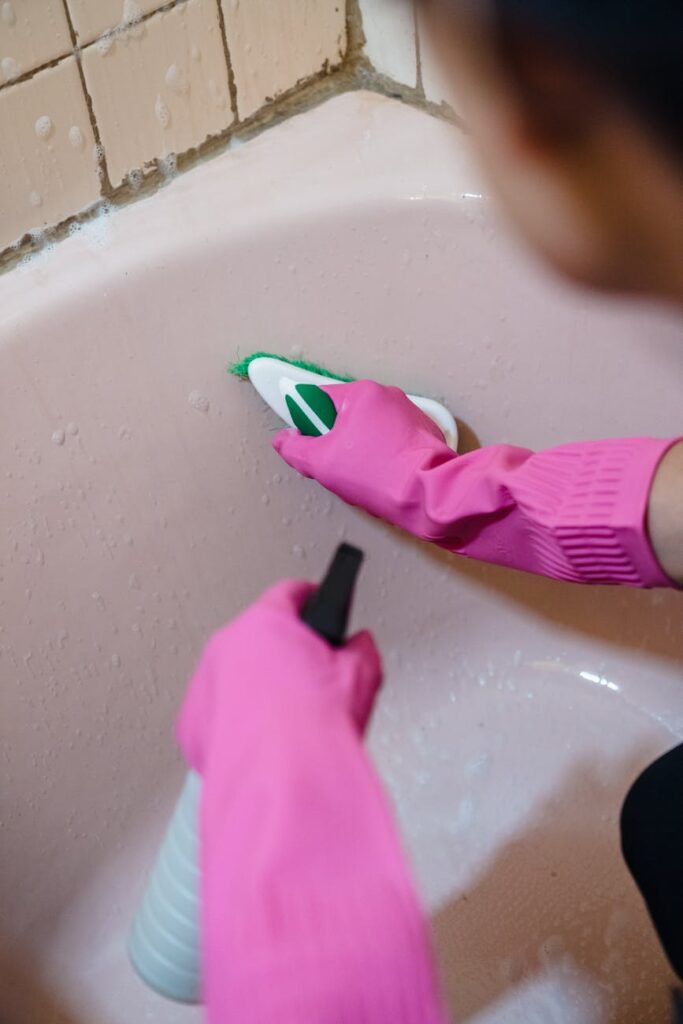
Shower Mildew Stains Stains Guide Part 1
Introduction
Shower mildew stains can be a pesky problem for homeowners. They not only make your bathroom look unkempt but can also lead to more serious hygiene issues. In this guide, we’ll explore what causes these stains, why they occur, and provide you with practical solutions to tackle them effectively.
What Causes Stains?
Mildew stains in the shower are primarily caused by a combination of moisture, warmth, and organic material. Here are the main contributors:
- Humidity: Bathrooms are often humid environments, especially after hot showers. This moisture creates an ideal breeding ground for mildew.
- Soap Scum: Residue from soaps, shampoos, and conditioners can accumulate, providing food for mildew.
- Poor Ventilation: Lack of airflow prevents moisture from evaporating, allowing mildew to thrive.
- Dark Corners: Areas that don’t receive much light are more prone to mildew growth, making them harder to notice.
- Temperature Fluctuations: Hot showers produce steam, which condenses on cooler surfaces, creating a moist environment.
- Neglected Cleaning: Regular cleaning is crucial. When neglected, mildew can build up quickly.
- Inadequate Drying: If wet towels or washcloths are left in the shower, they can contribute to the growth of mildew.
- Old Caulk or Grout: Deteriorating materials can trap moisture, making it easier for mildew to take hold.
- Baking soda
- White vinegar
- Spray bottle
- Scrub brush or sponge
- Microfiber cloth
- Rubber gloves (optional)
- Skipping Regular Cleaning: Neglecting to clean your shower regularly allows mildew to take hold. Aim for at least once a week.
- Using Too Much Water: Excess water can encourage mildew growth. Use a damp cloth rather than soaking the surfaces.
- Not Ventilating: Always ventilate your bathroom after showers. Open windows or use an exhaust fan to reduce humidity.
- Using the Wrong Tools: Avoid abrasive cleaners or scrubbers that can damage surfaces. Stick to soft brushes or sponges.
- Ventilation: Ensure good airflow by using an exhaust fan or opening windows during and after showering.
- Squeegee After Use: Use a squeegee to wipe down the walls and glass doors after each shower to minimize moisture.
- Use Mildew-Resistant Products: Consider mildew-resistant shower curtains, liners, and paints.
- Regular Cleaning: Make a habit of cleaning your shower weekly to remove soap scum and mildew before it becomes a problem.
Why This Problem Happens
Understanding why mildew stains develop can help you tackle the issue effectively. Here are the primary reasons:
How to Fix Stains (Step-by-Step)
Removing mildew stains can be straightforward if you follow these steps:
Step 1: Gather Your Supplies
You’ll need:
Step 2: Prepare a Cleaning Solution
1. Vinegar Solution: Fill a spray bottle with equal parts white vinegar and water.
2. Baking Soda Paste: Mix baking soda with a small amount of water to create a thick paste.
Step 3: Apply the Vinegar Solution
1. Spray the vinegar solution generously on the stained areas.
2. Let it sit for at least 10-15 minutes. This allows the vinegar to penetrate the mildew.
Step 4: Scrub the Stains
1. Using a scrub brush or sponge, scrub the affected areas gently.
2. For stubborn stains, apply the baking soda paste directly to the mildew and scrub again.
Step 5: Rinse and Dry
1. Rinse the area thoroughly with warm water to remove any residue.
2. Wipe the surfaces dry with a microfiber cloth to eliminate moisture.
Best Cleaning Methods
Different cleaning methods can be effective depending on the severity of the mildew stains. Here are some of the best options:
1. Vinegar and Baking Soda
Combining these two natural ingredients creates a powerful cleaning agent that can tackle tough mildew stains.
2. Hydrogen Peroxide
If vinegar isn’t effective, you can try hydrogen peroxide. Spray it on the stained area and let it sit for about 10 minutes before scrubbing.
3. Commercial Cleaning Products
For severe cases, consider using commercial mildew removers. Always follow the manufacturer’s instructions and wear gloves.
4. Essential Oils
Tea tree oil and lavender oil have natural antifungal properties. Add a few drops to your cleaning solution for added effectiveness.
Common Mistakes to Avoid
Avoiding these common pitfalls can help you achieve better cleaning results:
Prevention Tips
Preventing mildew stains is easier than removing them once they’ve formed. Here are some practical tips:
Frequently Asked Questions
1. How often should I clean my shower to prevent mildew?
Aim to clean your shower at least once a week to prevent mildew buildup.
2. Can I use bleach to remove mildew stains?
While bleach can be effective, it may not be suitable for all surfaces and can produce toxic fumes. Consider using vinegar or hydrogen peroxide as safer alternatives.
3. How can I tell if I have mildew or mold?
Mildew usually appears as a flat, powdery substance, while mold tends to be more fuzzy and can be black, green, or brown. If you’re unsure, consult a professional.
4. Do I need special cleaning products for tile showers?
Not necessarily. Many household products like vinegar and baking soda work well. However, for severe cases, consider a commercial tile cleaner.
5. What if the stains persist after cleaning?
If stains persist, consider re-grouting or replacing caulk in affected areas, as these materials might be harboring mildew.
6. Are there any natural remedies for preventing mildew?
Yes! Using essential oils like tea tree oil can help prevent mildew growth when added to your cleaning routine.
By following the steps and tips outlined in this guide, you can effectively manage and prevent shower mildew stains, keeping your bathroom clean and fresh.