
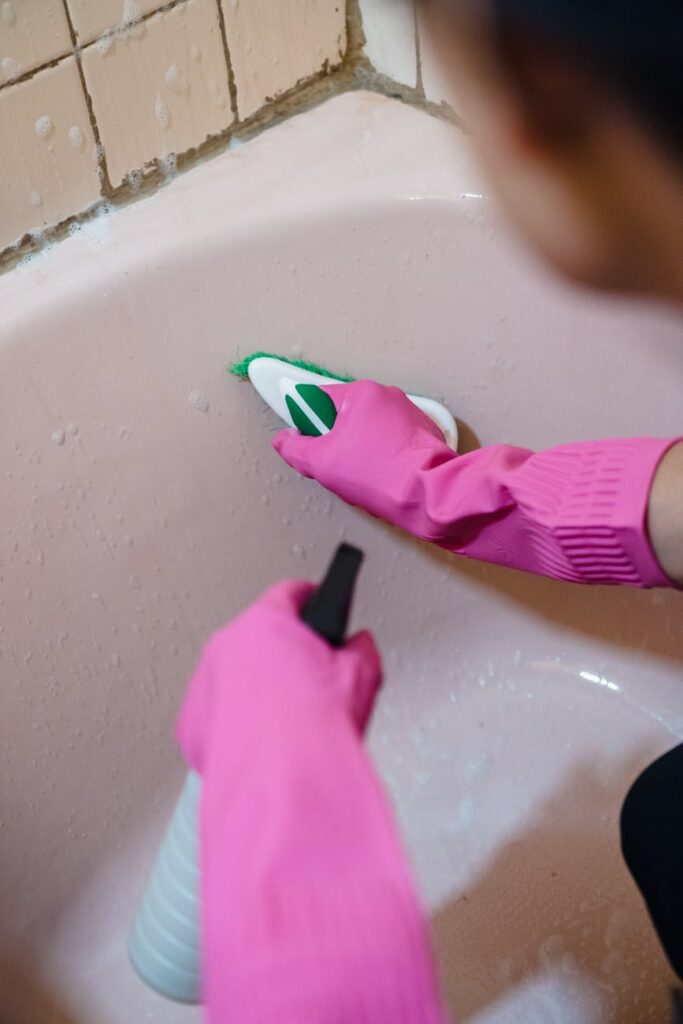
Shower Mildew Stains Mould & Damp Guide Part 1
Introduction
Shower mildew stains are not just unsightly; they can be a sign of a larger problem: mould and dampness. These issues thrive in warm, humid environments like bathrooms, making them a common concern for homeowners. In this guide, we’ll explore the causes of mould and damp, provide effective cleaning methods, and offer tips for prevention.
What Causes Mould & Damp?
Mould and dampness in the shower are primarily caused by:
- Humidity: Bathrooms tend to be humid due to hot showers and baths.
- Poor Ventilation: Lack of airflow allows moisture to linger, creating an ideal environment for mould growth.
- Water Leaks: Pipes or fixtures that leak can introduce excess moisture.
- Condensation: Warm air hitting cold surfaces can cause water to condense, contributing to dampness.
- Dirty Surfaces: Soap scum and grime can provide nutrients for mould.
- Rubber gloves
- Protective mask (optional)
- Scrub brush or sponge
- Bucket
- Spray bottle
- Cleaning solutions (bleach, vinegar, or commercial mould removers)
- Old towels or rags
- Ensure the bathroom is well-ventilated. Open windows and doors if possible.
- Remove any items from the shower, such as shampoo bottles and loofahs, to prevent contamination.
- Bleach Solution: Mix one part bleach with three parts water in a spray bottle. Spray directly on affected areas.
- Vinegar Solution: Fill a spray bottle with undiluted white vinegar. Spray on mouldy surfaces.
- Use a scrub brush or sponge to work the cleaning solution into the mouldy areas. Focus on grout lines, corners, and any textured surfaces.
- Allow the solution to sit for at least 10-15 minutes to penetrate and kill mould spores.
- Rinse the shower surfaces with warm water to remove the cleaning solution and any loosened mould.
- Dry the area with old towels or rags to eliminate residual moisture.
- Dispose of any contaminated items, such as sponges or towels, to prevent recontamination.
- For stubborn mould, repeat the cleaning process until the stains are completely removed.
- Pros: Effective at killing mould and disinfecting surfaces.
- Cons: Can be harsh on surfaces and may emit strong fumes. Always ensure good ventilation.
- Pros: Natural, safe, and non-toxic. Effective against mild mould growth.
- Cons: May require multiple applications for heavy infestations.
- Usage: Mix with water to create a paste. Apply to mould stains, let sit, then scrub and rinse.
- Pros: Non-toxic and deodorizing.
- Cons: Less effective on tough mould stains.
- Pros: Formulated specifically for mould, often with fast-acting agents.
- Cons: Can contain harsh chemicals. Always follow manufacturer instructions.
Understanding these causes is the first step in tackling the issue effectively.
Why This Problem Happens
Mould and damp occur when moisture accumulates in areas that do not dry adequately. In showers, the combination of high humidity and limited airflow creates the perfect breeding ground for mould spores. Once established, mould can grow rapidly and spread to other surfaces, leading to larger cleaning challenges.
Ignoring these issues can result in more severe damage, including structural problems and an unhealthy living environment.
How to Fix Mould & Damp (Step-by-Step)
Step 1: Gather Your Supplies
Before you begin cleaning, gather the following:
Step 2: Prepare the Area
Step 3: Apply Cleaning Solution
Step 4: Scrub the Area
Step 5: Rinse Thoroughly
Step 6: Dispose of Waste
Step 7: Repeat as Necessary
Best Cleaning Methods
1. Bleach
2. Vinegar
3. Baking Soda
4. Commercial Mould Removers
Common Mistakes to Avoid
1. Not Ventilating Properly: Always ensure your bathroom has adequate airflow during and after showers.
2. Ignoring Early Signs: Address small patches of mould immediately to prevent larger infestations.
3. Using the Wrong Cleaner: Not all cleaners are effective against mould. Choose the right product for the task.
4. Not Following Instructions: When using commercial products, always read and adhere to the instructions for safe and effective use.
5. Neglecting Grout: Pay attention to grout lines, as they can be a hidden source of mould.
6. Forgetting Regular Maintenance: Cleaning your shower regularly can prevent mould from taking hold.
Prevention Tips
1. Improve Ventilation: Install an exhaust fan or open windows to allow moisture to escape.
2. Wipe Down Surfaces: After each shower, use a squeegee or towel to remove excess water from walls and glass doors.
3. Seal Grout: Apply a grout sealer every six months to protect against moisture infiltration.
4. Use Mould-Resistant Products: Choose mould-resistant paints, caulks, and shower curtains.
5. Monitor for Leaks: Regularly check plumbing fixtures and seals for leaks and fix them promptly.
6. Keep Bathroom Dry: Limit the number of wet items in the bathroom and ensure towels and mats are dried after use.
Frequently Asked Questions
1. How often should I clean for mould in the shower?
Aim to clean your shower at least once a week to prevent mould build-up.
2. Can I use vinegar and bleach together?
No, mixing vinegar and bleach creates toxic gases. Use them separately and ensure thorough rinsing.
3. What if the mould keeps coming back?
Persistent mould may indicate a larger issue, such as poor ventilation or hidden leaks. Consider consulting a professional.
4. Is mould in the shower harmful?
While not all mould is harmful, it can cause allergic reactions and respiratory issues. It’s best to eliminate it promptly.
5. What’s the best way to remove mould from grout?
A mixture of baking soda and water or a commercial mould remover can effectively clean grout lines.
6. How can I prevent dampness in my shower?
Use an exhaust fan, wipe down surfaces after use, and ensure proper drainage to minimize dampness.
By following these guidelines, you can effectively manage and prevent mould and damp in your shower, creating a cleaner and healthier bathroom environment. Stay tuned for Part 2, where we will delve deeper into advanced mould removal methods and maintenance tips.