
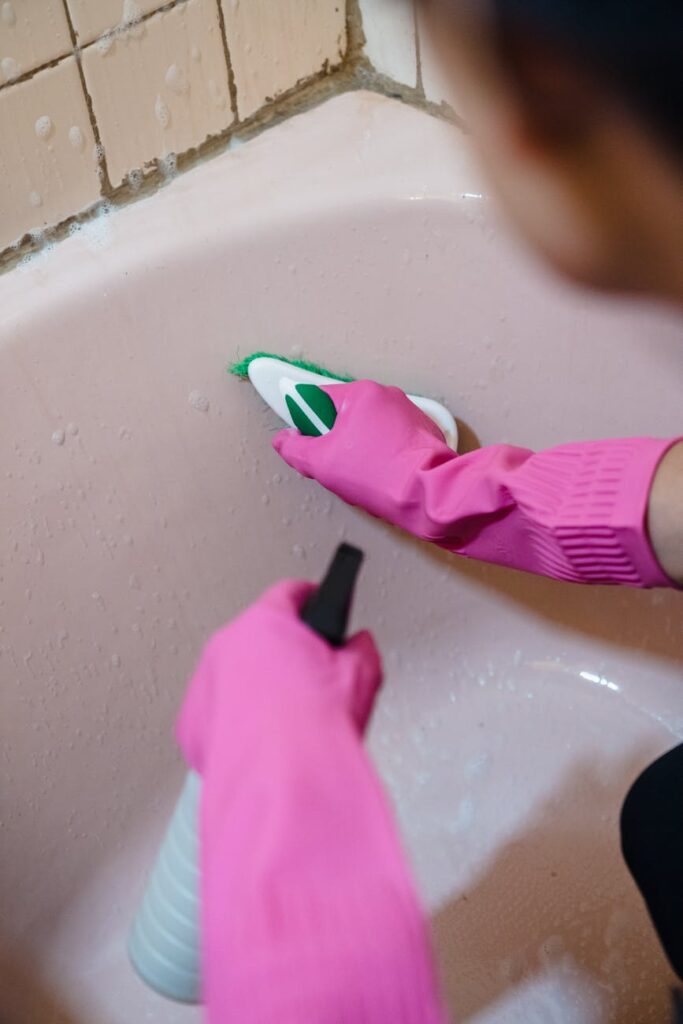
Shower Mildew Stains Kitchen Guide Part 1
Introduction
Mildew stains can quickly turn your kitchen from a welcoming space to an unsightly one. These pesky dark spots thrive in damp environments and can be a problem in areas like your kitchen sink, countertops, and even behind appliances. This guide will help you understand what causes mildew stains in the kitchen, how to effectively remove them, and how to prevent them from returning.
What Causes Kitchen Mildew?
Kitchen mildew typically thrives in warm, humid environments. Common culprits include:
- Moisture: Spills, splashes, and steam from cooking can create a damp atmosphere.
- Poor Ventilation: Inadequate airflow allows moisture to linger.
- Organic Material: Food particles and grease provide nourishment for mildew spores.
- Dark Spaces: Areas that don’t get much light, like behind cabinets or under sinks, are prime breeding grounds.
- White vinegar or hydrogen peroxide
- Baking soda
- Gloves
- A scrub brush or sponge
- A spray bottle
- A bucket
- Microfiber cloths
- A fan or dehumidifier (optional)
- Ignoring the Source: Simply cleaning mildew won’t solve the problem if the underlying moisture issue isn’t addressed.
- Using Bleach: While bleach may remove stains, it can also create harmful fumes and doesn’t prevent mildew from returning.
- Not Drying Thoroughly: Leaving surfaces damp after cleaning can lead to immediate regrowth.
- Neglecting Ventilation: Poor airflow can exacerbate mildew issues. Always ensure your kitchen is well-ventilated during and after cleaning.
Understanding these factors is crucial in tackling mildew stains effectively.
Why This Problem Happens
Mildew is a type of fungus that reproduces via spores, which can easily be found in the air. When these spores land in a suitable environment—think moist and organic—they can quickly multiply. In kitchens, the combination of heat and humidity makes for an ideal breeding ground.
Moreover, kitchens often lack the same level of cleaning attention as bathrooms, making them more susceptible to mildew. If not dealt with promptly, mildew can lead to larger infestations and more significant cleaning challenges.
How to Fix Kitchen Mildew (Step-by-Step)
If you’ve discovered mildew stains in your kitchen, don’t worry. Follow these steps to effectively remove them:
Step 1: Gather Your Supplies
You’ll need:
Step 2: Prepare the Area
1. Ventilate: Open windows and turn on any exhaust fans to improve airflow.
2. Clear the Space: Remove any items from the affected area, including kitchen utensils and decor.
Step 3: Apply the Cleaning Solution
1. Vinegar Method: Fill a spray bottle with white vinegar and spray generously on the mildew stains. Let it sit for about 30 minutes.
2. Baking Soda Paste: Alternatively, mix baking soda with water to create a paste. Apply this paste directly to the stains and let it sit for 10-15 minutes.
Step 4: Scrub the Area
Using a scrub brush or sponge, scrub the affected areas vigorously. The goal is to lift the mildew from the surface.
Step 5: Rinse and Dry
1. Rinse: Wipe the area with a damp microfiber cloth to remove any remaining cleaning solution.
2. Dry: Ensure the area is thoroughly dried to prevent future mildew growth. Use a fan or dehumidifier if necessary.
Step 6: Repeat if Necessary
If stains persist, repeat the process or combine the vinegar and baking soda methods for tougher stains.
Best Cleaning Methods
Here are some of the most effective methods for tackling mildew in your kitchen:
1. Vinegar
White vinegar is a natural disinfectant and effective in killing mildew spores. It’s safe for most surfaces and doesn’t leave harmful residues.
2. Hydrogen Peroxide
This is another effective mildew fighter. Use a 3% solution and apply it in the same way as vinegar. It’s particularly good for tougher stains.
3. Baking Soda
Baking soda not only cleans but also deodorizes. Its gentle abrasiveness makes it an excellent choice for scrubbing surfaces without scratching them.
4. Store-Bought Cleaners
If you prefer commercial solutions, look for mold and mildew removers. Ensure they are safe for kitchen surfaces and follow the manufacturer’s instructions.
Common Mistakes to Avoid
When dealing with mildew stains, avoid these pitfalls:
Prevention Tips
Preventing mildew in your kitchen is easier than removing it. Here are some actionable tips:
1. Improve Ventilation
Ensure that your kitchen has adequate airflow. Use exhaust fans while cooking and open windows when possible.
2. Regular Cleaning
Make a habit of cleaning surfaces regularly, focusing on areas prone to moisture.
3. Wipe Up Spills Immediately
Don’t allow spills to sit. Clean them up right away to minimize moisture buildup.
4. Use a Dehumidifier
If your kitchen is particularly humid, consider using a dehumidifier to maintain optimal moisture levels.
5. Seal Grout and Surfaces
If you have tiled surfaces, ensure that grout is sealed properly to reduce moisture absorption.
6. Monitor Plumbing
Check for leaks under sinks and behind appliances regularly. Addressing plumbing issues quickly can prevent mildew growth.
Frequently Asked Questions
1. How often should I clean for mildew in the kitchen?
Regular cleaning every 1-2 weeks is recommended, with special attention to high-moisture areas.
2. Can I use bleach on mildew stains?
Bleach is not recommended due to its harmful fumes and inability to prevent future growth. Opt for vinegar or hydrogen peroxide instead.
3. What if the mildew keeps coming back?
This could indicate an ongoing moisture problem. Check for leaks, improve ventilation, and maintain regular cleaning.
4. Is mildew harmful to health?
While not typically harmful, prolonged exposure can lead to respiratory issues in sensitive individuals. It’s best to keep it under control.
5. Can I use essential oils to prevent mildew?
Certain oils, like tea tree or lavender oil, have antifungal properties. You can add them to your cleaning solutions for added protection.
6. Are there any natural remedies for tough mildew stains?
In addition to vinegar and baking soda, you can use lemon juice or tea tree oil mixed with water for a natural cleaning solution.
Conclusion
Mildew stains in the kitchen can be a frustrating problem, but with the right approach, they can be effectively managed and prevented. By understanding the causes, employing effective cleaning methods, and taking preventive measures, you can maintain a clean, healthy kitchen environment. Remember, a little regular maintenance goes a long way in keeping mildew at bay.