
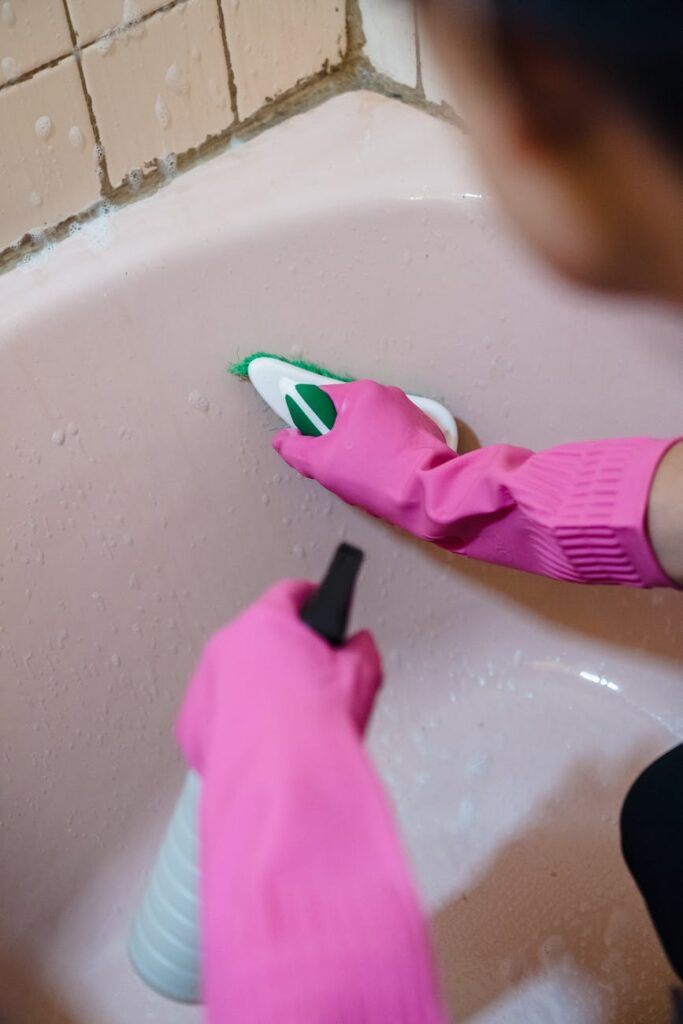
Shower Mildew Stains Bathroom Guide Part 1
Introduction
Shower mildew stains can turn your bathroom from a serene oasis into an unsightly mess. These dark spots not only look unpleasant but can also indicate deeper cleanliness issues. In this guide, we’ll explore how to identify, clean, and prevent mildew stains in your shower, ensuring that your bathroom remains a welcoming space.
What Causes Bathroom Mildew Stains?
Mildew thrives in damp, warm environments, making bathrooms ideal breeding grounds. Specifically, mildew stains in showers are often caused by:
- High Humidity: Showers generate steam, which increases moisture levels.
- Poor Ventilation: Lack of airflow allows moisture to linger, promoting mildew growth.
- Soap Residue: Soap and body oils can provide nourishment for mildew.
- Neglected Cleaning: Infrequent cleaning creates an ideal environment for mildew to flourish.
- Rubber gloves
- Scrub brush or sponge
- Spray bottle
- White vinegar
- Baking soda
- Dish soap
- Hydrogen peroxide (optional)
- Fill a spray bottle with equal parts of white vinegar and water. Vinegar is a natural antifungal agent.
- Mix 1 cup of baking soda with a few tablespoons of water to create a paste. This is great for scrubbing tougher stains.
- Spray the vinegar solution directly onto the mildew stains and let it sit for 10-15 minutes.
- For stubborn stains, apply the baking soda paste directly to the affected area.
- Bleach Solution: Mix 1 cup of bleach with 1 gallon of water for tough mildew stains. Use in a well-ventilated area and wear gloves.
- Commercial Cleaners: Look for products specifically designed to combat mildew. Follow the manufacturer’s instructions for best results.
- Hydrogen Peroxide: This can be an effective alternative to bleach. Apply it directly to the stain and let it sit for 10 minutes before scrubbing.
- Improve Ventilation: Install an exhaust fan and keep windows open after showers.
- Wipe Down Surfaces: Use a squeegee or towel to remove excess water after each use.
- Use Mildew-Resistant Products: Invest in mildew-resistant shower curtains, mats, and paints.
- Regular Cleaning Routine: Clean your shower at least once a week to keep mildew at bay.
- Control Humidity: Use a dehumidifier in the bathroom if humidity levels are consistently high.
Why This Problem Happens
Understanding the underlying factors that contribute to mildew growth can help you tackle the problem effectively. Here are the main reasons why mildew becomes a nuisance in your shower:
1. Temperature Fluctuations: Warm water from showers combined with cooler bathroom surfaces can create condensation.
2. Water Accumulation: Standing water in corners or on tiles can be a breeding ground for mildew.
3. Organic Matter: Hair, dead skin cells, and soap scum can all contribute to mildew development by providing a food source.
How to Fix Bathroom Mildew Stains (Step-by-Step)
Cleaning mildew stains requires a systematic approach. Follow these steps to effectively remove mildew from your shower:
Step 1: Gather Your Supplies
Before you start, collect the following supplies:
Step 2: Ventilate the Area
Open windows and doors to ensure proper airflow. If possible, turn on the bathroom fan to keep the area well-ventilated while you clean.
Step 3: Prepare a Cleaning Solution
Option 1: Vinegar Solution
Option 2: Baking Soda Paste
Step 4: Apply the Cleaner
Step 5: Scrub the Area
Using a scrub brush or sponge, scrub the stained area. Pay extra attention to corners and grout lines where mildew tends to accumulate.
Step 6: Rinse Thoroughly
After scrubbing, rinse the area with warm water. Make sure to remove all cleaning solutions to prevent any residue from attracting more dirt.
Step 7: Dry the Shower
Use a clean towel or squeegee to dry the shower surfaces. This will help prevent future mildew growth by removing moisture.
Best Cleaning Methods
While vinegar and baking soda are effective, there are other methods to consider:
Common Mistakes to Avoid
When tackling mildew stains, avoid these common mistakes:
1. Skipping Ventilation: Failing to ventilate the area can exacerbate the problem.
2. Using Too Much Water: Over-saturating surfaces can allow mildew to thrive.
3. Neglecting Regular Maintenance: Infrequent cleaning can lead to deeper-set stains.
4. Using the Wrong Tools: Avoid abrasive scrubbers that can damage surfaces.
5. Ignoring Grout Lines: These areas often harbor mildew and need special attention.
Prevention Tips
Preventing mildew is often easier than removing it. Consider these strategies:
Frequently Asked Questions
1. How often should I clean my shower to prevent mildew?
Aim to clean your shower at least once a week. This helps remove soap scum and moisture, reducing the risk of mildew.
2. Can I use vinegar on all shower surfaces?
Vinegar is generally safe for most shower surfaces, but avoid using it on natural stone, as it can damage the finish.
3. What’s the best way to dry my shower after use?
A squeegee is ideal for removing excess water from walls and tiles. Follow up by wiping surfaces down with a towel.
4. Can I mix bleach and vinegar for better results?
No, never mix bleach and vinegar. This combination produces toxic fumes that can be harmful.
5. How do I know if my mildew problem is serious?
If mildew keeps returning despite regular cleaning, it could indicate a larger issue, such as plumbing leaks or poor ventilation.
6. Are there any natural alternatives to commercial cleaners?
Yes, options like baking soda, hydrogen peroxide, and essential oils can be effective for cleaning and deodorizing.
By following these practical steps and recommendations, you can effectively tackle and prevent shower mildew stains, ensuring that your bathroom remains clean and inviting. Stay tuned for Part 2, where we’ll dive deeper into advanced cleaning techniques and maintenance tips!