
Shower Mildew Removal Odours Guide Part 1
Introduction
Dealing with unpleasant odours in your shower can be frustrating. Often, these smells are linked to mildew and mold growth, which thrive in humid environments. Not only do they create an uncomfortable atmosphere, but they can also indicate larger cleanliness issues. This guide will provide you with practical steps to identify, remove, and prevent shower mildew odours effectively.
What Causes Odours?
Shower odours typically stem from mildew and mold growth, which flourish in damp, warm conditions. When water remains in the shower after use, it creates the perfect breeding ground for these fungi. Additionally, soap scum, hair, and other debris can contribute to the growth of these odorous organisms.
Common causes of shower odours include:
- High Humidity: Moist environments encourage mildew growth.
- Poor Ventilation: Lack of air circulation can trap humidity.
- Soap Residue: Soap scum can harbor bacteria and mildew.
- Clogged Drains: Debris buildup can lead to stagnant water and foul smells.
- White vinegar
- Baking soda
- Spray bottle
- Soft brush or sponge
- Microfiber cloth
- Commercial mildew cleaner (optional)
- Ventilation: Open windows or doors to improve airflow.
- Clear the Shower: Remove all personal items, such as shampoo bottles and loofahs.
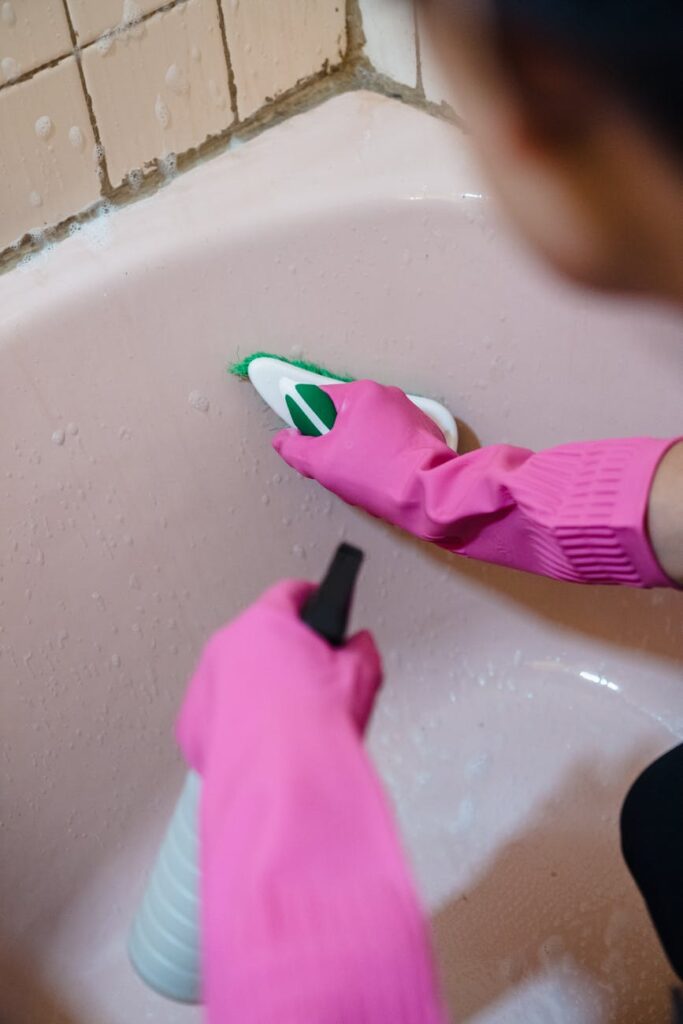
- Use a soft brush or sponge to scrub the areas where you applied the vinegar. Focus on grout lines and other areas with visible mildew.
- Rinse the shower walls and floor with warm water to remove residue. Ensure that all vinegar and loosened mildew are washed away.
- While the surfaces are still wet, sprinkle baking soda on any remaining mildew spots. This will help neutralize any lingering odours.
- After allowing the baking soda to sit for about 10 minutes, rinse the area thoroughly with warm water.
- Use a microfiber cloth to dry the surfaces. This step is crucial to prevent future mildew growth.
- Ventilate: Use an exhaust fan or open windows to reduce humidity.
- Squeegee After Use: Quickly squeegee the shower walls after each use to remove water.
- Use Mildew-Resistant Products: Consider using mildew-resistant caulk and shower liners.
- Regular Cleaning Schedule: Set a regular cleaning schedule to keep mildew at bay.
Why This Problem Happens
Understanding the root causes of odours in your shower is crucial for effective removal.
1. Humidity Levels: Bathrooms naturally retain moisture, especially after hot showers. If your bathroom lacks proper ventilation, humidity will linger, promoting mildew growth.
2. Surface Materials: Certain materials, like grout and caulk, can absorb moisture and provide a perfect habitat for mildew.
3. Neglected Cleaning: Regular cleaning is essential. Skipping this task allows mildew and soap scum to accumulate.
4. Drain Issues: Clogged drains can create standing water, leading to unpleasant odours.
How to Fix Odours (Step-by-Step)
Step 1: Gather Your Supplies
Before you start, gather the necessary cleaning supplies:
Step 2: Prepare the Area
Step 3: Apply Vinegar Solution
1. Mix a Solution: Combine equal parts water and white vinegar in a spray bottle.
2. Spray Affected Areas: Generously spray the solution onto mildew-prone areas, including grout lines, corners, and shower curtains.
3. Let It Sit: Allow the solution to sit for at least 15-30 minutes.
Step 4: Scrub the Surfaces
Step 5: Rinse Thoroughly
Step 6: Sprinkle Baking Soda
Step 7: Final Rinse
Step 8: Dry the Area
Best Cleaning Methods
Vinegar and Baking Soda
This combination is effective in breaking down mildew and neutralizing odours. The acidity of vinegar kills spores, while baking soda absorbs odours.
Commercial Cleaners
If vinegar and baking soda aren’t cutting it, consider using a commercial mildew cleaner. Look for products specifically designed for bathroom use, but always follow the manufacturer’s instructions.
Hydrogen Peroxide
As an alternative, hydrogen peroxide can be used as a mildew remover. Spray it on the affected areas, let it sit, and then scrub and rinse.
Common Mistakes to Avoid
1. Ignoring Ventilation: Always ensure your bathroom is well-ventilated, especially after showers.
2. Neglecting Regular Cleaning: Regular cleaning prevents mildew buildup and odours.
3. Using Too Much Product: More isn’t always better. Excessive cleaning product can lead to residue buildup.
4. Not Drying the Shower: Leaving water to sit post-shower encourages mildew growth.
Prevention Tips
Frequently Asked Questions
1. How often should I clean my shower to prevent odours?
Aim to clean your shower at least once a week to prevent mildew and odour buildup.
2. Can I use bleach to remove mildew?
While bleach can kill mildew, it can also damage certain surfaces. Use it as a last resort and ensure proper ventilation when using it.
3. What should I do if the odour persists after cleaning?
If odours persist, check for hidden mildew in areas like shower curtains, behind tiles, or inside clogged drains.
4. Is it safe to mix vinegar and baking soda?
Yes, mixing vinegar and baking soda is safe and effective for cleaning, but avoid mixing them in a closed container, as it can create a fizzy reaction.
5. What are the signs of mildew growth in the shower?
Signs include dark spots on grout, a musty smell, and peeling caulk or wallpaper near the shower area.
6. Can I prevent mildew without chemical cleaners?
Absolutely! Regular cleaning with natural ingredients like vinegar and baking soda can effectively prevent mildew growth.
By following these steps and tips, you can effectively tackle shower mildew odours and enjoy a fresher, cleaner bathroom environment. Stay tuned for Part 2, where we’ll delve deeper into advanced techniques and solutions for stubborn mildew issues.