
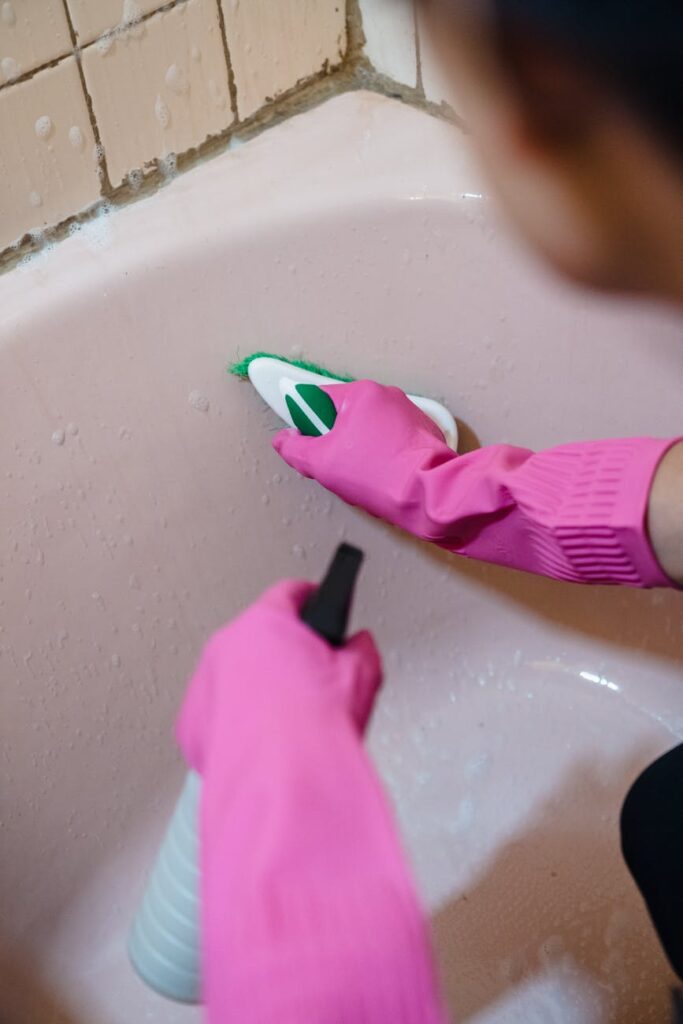
Shower Mildew Removal: Mould & Damp Guide Part 1
Introduction
Mould and dampness in your shower can be a frustrating issue, not only affecting the aesthetics of your bathroom but also leading to potential health concerns. Understanding how to effectively tackle this problem is crucial for maintaining a clean and safe home. This guide will provide you with actionable steps to remove mould and damp from your shower and tips to prevent it from returning.
What Causes Mould & Damp?
Mould thrives in damp, humid environments, making your shower the perfect breeding ground. Here are the primary factors contributing to mould growth:
- High Humidity: Showers generate steam, creating a humid atmosphere that encourages mould.
- Inadequate Ventilation: Poor airflow traps moisture, allowing mould to flourish.
- Water Leaks: Any leaks in plumbing or fixtures can create damp spots where mould can thrive.
- Organic Material: Soap scum, hair, and other organic residues serve as food for mould spores.
- Condensation: Moisture from hot water condenses on surfaces.
- Lack of Sunlight: Bathrooms often have limited natural light, which inhibits drying.
- Cleaning Neglect: Infrequent cleaning allows mould spores to settle and grow.
- Protective gloves
- Mask
- Scrub brush or sponge
- Spray bottle
- White vinegar or hydrogen peroxide
- Baking soda
- Commercial mould remover (optional)
- Microfiber cloths
- Ventilate: Open windows and doors to allow fresh air in.
- Remove Items: Take out any toiletries, towels, or bath mats that could get in the way.
- Use a scrub brush or sponge to scrub the mouldy spots thoroughly.
- For tough patches, sprinkle baking soda on the area and scrub again.
- Rinse the area with warm water to remove any residue.
- Wipe down surfaces with a microfiber cloth to remove moisture.
- Check for any leaks in pipes or fixtures and repair them if necessary.
- Vinegar: Effective against most mould types; non-toxic and safe for most surfaces.
- Baking Soda: Acts as a mild abrasive and deodorizer, perfect for scrubbing.
- Hydrogen Peroxide: A strong disinfectant; however, it may bleach some colored surfaces.
- Aim for weekly cleanings to minimize mould growth.
- Vinegar is safe for most surfaces but may damage natural stone; check compatibility first.
- Ensure you are addressing any underlying moisture issues and consider consulting a professional.
- Bleach can be effective but may not eliminate spores entirely. Always use in well-ventilated areas.
- Signs include persistent dampness, musty odors, and visible mould patches. Professional assessment may be necessary.
- Some essential oils, like tea tree oil, have antifungal properties and can be used as a natural mould deterrent.
Why This Problem Happens
Mould and dampness typically occur after showers due to:
Understanding these causes can help you target your cleaning efforts more effectively.
How to Fix Mould & Damp (Step-by-Step)
Step 1: Gather Your Supplies
Before you start, gather the following items:
Step 2: Prepare the Area
Step 3: Apply the Cleaning Solution
Choose one of the following cleaning solutions:
Option 1: Vinegar Solution
1. Fill a spray bottle with white vinegar.
2. Spray the affected areas generously.
3. Let it sit for 30 minutes to break down the mould.
Option 2: Hydrogen Peroxide Solution
1. Use a spray bottle filled with hydrogen peroxide (3% concentration).
2. Spray the mouldy areas and let it sit for 10-15 minutes.
Step 4: Scrub the Area
Step 5: Rinse and Dry
Step 6: Inspect for Leaks
Best Cleaning Methods
Consider using commercial mould removers for severe infestations but always follow the manufacturer’s instructions.
Common Mistakes to Avoid
1. Skipping Safety Gear: Always wear gloves and a mask when dealing with mould to protect yourself.
2. Not Ventilating the Area: Failing to ventilate can make the problem worse by trapping moisture.
3. Using Bleach Incorrectly: While bleach can kill mould, it can also spread spores if not rinsed properly.
4. Ignoring the Source: Addressing mould without fixing the underlying dampness will lead to recurrence.
Prevention Tips
1. Improve Ventilation: Install an exhaust fan to help reduce humidity levels.
2. Keep Surfaces Dry: Use a squeegee or towel to dry walls and fixtures after use.
3. Regular Cleaning: Clean your shower at least once a week to prevent build-up.
4. Seal Grout: Use a grout sealer to create a barrier against moisture.
5. Monitor Humidity: Use a hygrometer to keep indoor humidity levels below 60%.
Frequently Asked Questions
1. How often should I clean my shower to prevent mould?
2. Can I use vinegar on all surfaces?
3. What if the mould keeps coming back?
4. Is it safe to use bleach for mould removal?
5. How do I know if I have a serious mould problem?
6. Can I prevent mould growth with essential oils?
By following the steps outlined in this guide, you can effectively tackle mould and dampness in your shower, ensuring a clean and healthy environment. Stay tuned for Part 2, where we’ll delve deeper into advanced removal techniques and ongoing maintenance strategies.