
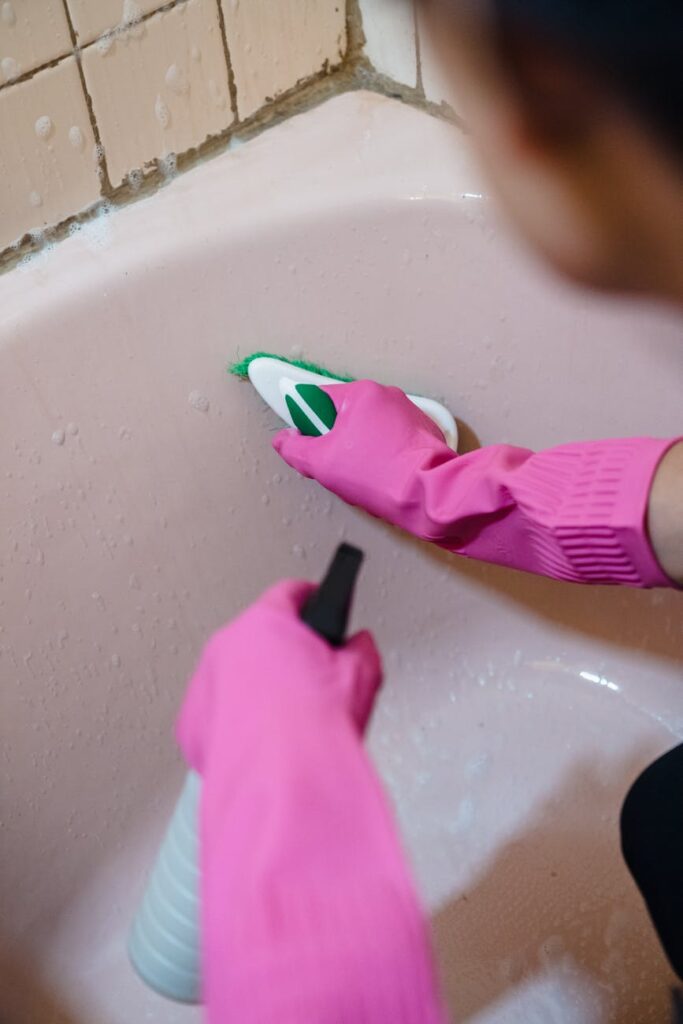
Shower Mildew Removal Kitchen Guide Part 1
Introduction
Mildew in your kitchen can be an unsightly and unhealthy problem. Often lurking in damp corners, under sinks, or around your shower, mildew thrives in humid environments. This guide will take you through understanding what causes mildew in the kitchen, how to effectively remove it, and preventative measures to keep it at bay.
What Causes Kitchen Mildew?
Mildew is a type of fungus that thrives in moist conditions. In kitchens, the main culprits include:
- High Humidity: Cooking creates steam, which can lead to excess moisture.
- Poor Ventilation: Without adequate airflow, dampness accumulates.
- Water Leaks: Plumbing issues can create ideal conditions for mildew growth.
- Food Residue: Spills or crumbs left unattended can attract moisture and mold spores.
- Frequent Cooking: The steam generated can elevate humidity levels.
- Dishwashing: Leftover moisture can linger in the air.
- Infrequent Cleaning: Areas that are neglected can become breeding grounds for mildew.
- Rubber gloves
- A face mask (to avoid inhaling spores)
- Spray bottle
- White vinegar or bleach
- Baking soda
- Scrub brush or sponge
- Microfiber cloth
- Bucket of warm soapy water
- Under the sink
- Behind appliances
- On cabinet doors
- Around shower areas if applicable
- Mix equal parts of white vinegar and water in a spray bottle.
- Use a diluted bleach solution (1 cup bleach to 1 gallon of water). Always work in a well-ventilated area and avoid mixing bleach with other cleaners.
- White Vinegar: A natural mold killer, it’s effective for light mildew.
- Baking Soda: Use it as a paste (mixed with water) for scrubbing surfaces.
- Hydrogen Peroxide: A powerful disinfectant that can be used on porous surfaces.
- Commercial Mildew Removers: If DIY solutions aren’t effective, consider specialized cleaning products.
- Not Wearing Protective Gear: Always use gloves and a mask to protect yourself while cleaning.
- Ignoring Ventilation: Ensure proper airflow while cleaning to disperse fumes and moisture.
- Using Too Much Water: Excess moisture can lead to further mildew growth.
- Neglecting Regular Cleaning: Set a cleaning schedule to prevent future buildup.
- Increase Ventilation: Use exhaust fans while cooking and open windows to promote airflow.
- Wipe Down Surfaces: After cooking or washing dishes, dry the surfaces immediately.
- Fix Leaks Promptly: Address any plumbing issues as soon as they arise.
- Control Humidity: Use a dehumidifier in areas with high moisture levels.
- Regular Cleaning: Clean your kitchen weekly, focusing on high-moisture areas.
Understanding these causes helps you tackle the issue effectively.
Why This Problem Happens
Mildew often forms rapidly when conditions are right. High humidity levels and a lack of ventilation create an environment that supports the growth of mildew spores. Kitchens are particularly vulnerable due to:
Recognizing these factors is crucial in both removal and prevention.
How to Fix Kitchen Mildew (Step-by-Step)
Removing mildew is a straightforward process if you follow these steps:
Step 1: Gather Your Supplies
You’ll need:
Step 2: Identify Affected Areas
Inspect your kitchen thoroughly. Check:
Step 3: Prepare Your Cleaning Solution
For Mild Cases:
For Severe Cases:
Step 4: Apply the Solution
Spray the affected areas generously with your cleaning solution. Allow it to sit for at least 10-15 minutes. This helps to kill the mildew spores effectively.
Step 5: Scrub the Surface
Using a scrub brush or sponge, scrub the mildew-stained areas. For stubborn spots, you may need to apply more cleaning solution and let it sit for additional time.
Step 6: Rinse and Dry
After scrubbing, rinse the area with warm soapy water. Use a microfiber cloth to dry the surface completely. Ensuring the area is dry is crucial to prevent mildew from returning.
Step 7: Dispose of Waste Properly
Dispose of any sponges or cloths used in the cleaning process. If you used bleach, ensure you follow safety guidelines for disposal.
Best Cleaning Methods
Different situations may require different cleaning methods. Here are some effective options:
Common Mistakes to Avoid
Avoid these pitfalls for effective mildew removal:
Prevention Tips
Preventing mildew in your kitchen is easier than removing it once established. Here are some effective strategies:
Frequently Asked Questions
1. Is mildew the same as mold?
Mildew and mold are both fungi, but mildew is typically flat and powdery, while mold can be fuzzy and more varied in color.
2. Can I use essential oils to prevent mildew?
Certain essential oils, like tea tree oil, have antifungal properties and can be added to cleaning solutions for extra protection.
3. How can I tell if I have a mildew problem?
Signs include a musty smell, discoloration on walls or surfaces, or visible spots of mildew.
4. Can I remove mildew from grout?
Yes, a paste made of baking soda and water, or a mixture of vinegar and water, can effectively clean grout.
5. Is bleach safe for all surfaces?
Bleach can discolor some materials, so always test a small area first and avoid using it on natural stone.
6. How often should I clean my kitchen to prevent mildew?
Cleaning once a week is ideal, but areas prone to moisture may need more frequent attention.
By following these steps and tips, you can effectively tackle and prevent mildew in your kitchen, ensuring a cleaner, healthier space for you and your family. Stay tuned for Part 2, where we will delve deeper into advanced cleaning techniques and solutions.