
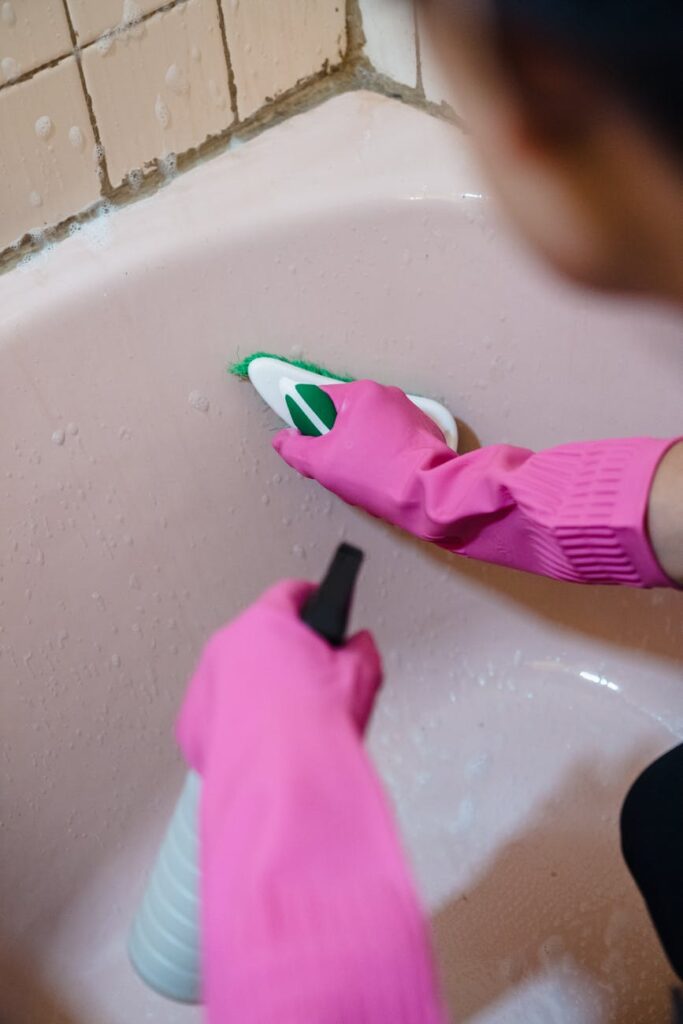
Shower Head Stains Odours Guide Part 1
Introduction
A clean shower head is essential for a refreshing shower experience. Unfortunately, many homeowners encounter unpleasant odours coming from their shower heads. These odours can stem from various sources, including mineral buildup, mold, and bacteria. This guide will help you understand the causes of these odours, how to tackle them, and how to keep your shower head smelling fresh.
What Causes Odours?
Odours from shower heads are often caused by:
1. Mineral Buildup: Hard water leaves behind minerals like calcium and magnesium, which can create a breeding ground for bacteria.
2. Mold and Mildew: Moist environments are perfect for mold and mildew growth, leading to musty smells.
3. Bacteria: Stagnant water can harbor bacteria, which may emit foul odours.
4. Soap Scum: Residues from soaps and shampoos can accumulate, contributing to unpleasant smells.
Why This Problem Happens
Shower heads are typically in a damp environment, making them susceptible to various contaminants. Here are some reasons why odours develop:
- Poor Ventilation: Bathrooms often lack proper airflow, allowing moisture to linger.
- Infrequent Cleaning: Many homeowners overlook their shower heads during routine cleaning.
- Water Quality: If your home has hard water or high levels of chlorine, it can exacerbate odour issues.
- Old Shower Heads: Older fixtures may accumulate more grime and mineral deposits, leading to persistent smells.
- Fill a bowl or bucket with white vinegar.
- Submerge the shower head in the vinegar for about 30 minutes. This will help dissolve mineral deposits and kill bacteria.
- After soaking, use a soft brush or an old toothbrush to scrub the shower head.
- Pay special attention to the nozzles and crevices where buildup may occur.
- Rinse the shower head under warm water to remove the vinegar and loosened debris.
- Make sure all nozzles are clear before reattaching.
- Screw the shower head back onto the pipe.
- Turn on the water to ensure everything is functioning correctly.
- Run the water for a few minutes and check for any lingering smells. If the odour persists, repeat the process or consider deeper cleaning methods.
How to Fix Odours (Step-by-Step)
Step 1: Remove the Shower Head
Start by unscrewing the shower head from the pipe. Use a wrench if it’s too tight but be careful not to damage the finish.
Step 2: Soak in Vinegar
Step 3: Scrub the Shower Head
Step 4: Rinse Thoroughly
Step 5: Reattach the Shower Head
Step 6: Test for Odours
Best Cleaning Methods
Vinegar and Baking Soda
For tougher odours, combine vinegar with baking soda:
1. Create a Paste: Mix equal parts vinegar and baking soda to form a paste.
2. Apply: Use a sponge to apply the paste to the shower head.
3. Let Sit: Allow it to sit for 10-15 minutes before scrubbing and rinsing.
Commercial Cleaners
If natural methods don’t work, consider using a commercial cleaner designed for hard water stains and mineral deposits. Always follow the manufacturer’s instructions.
Common Mistakes to Avoid
1. Using Abrasive Cleaners: Avoid harsh chemicals that can scratch the finish of your shower head.
2. Neglecting the Nozzles: Ensure you clean every part of the shower head, especially the nozzles.
3. Skipping Regular Maintenance: Neglecting to clean your shower head regularly will lead to recurring odours.
4. Not Rinsing Properly: Inadequate rinsing can leave cleaning residues that might cause more odours.
Prevention Tips
1. Regular Cleaning: Clean your shower head at least once a month to prevent buildup.
2. Improve Ventilation: Use a bathroom fan or open a window to reduce moisture.
3. Install a Water Softener: If you have hard water, consider installing a water softener to reduce mineral buildup.
4. Wipe Down After Use: After each shower, wipe the shower head with a dry cloth to minimize moisture.
Frequently Asked Questions
1. How often should I clean my shower head?
Aim to clean your shower head at least once a month to prevent odour and buildup.
2. What if the odour persists after cleaning?
If odours remain, it may be worth replacing the shower head or checking for issues in your plumbing.
3. Can I use bleach to clean my shower head?
While bleach can kill bacteria, it is not recommended for shower heads as it can damage the finish. Stick to vinegar and baking soda.
4. How can I tell if my shower head has mineral buildup?
If you notice a decrease in water pressure or white, chalky deposits on the shower head, you likely have mineral buildup.
5. Are there specific types of shower heads that are better at preventing odours?
Look for shower heads with antimicrobial features or easy-clean designs that minimize buildup.
6. Will using a water softener help with odours?
Yes, a water softener can reduce mineral buildup, helping to prevent odours and improve water quality.
By following this guide, you can effectively tackle shower head odours and ensure a fresh and pleasant shower experience. Keep your shower head clean, and enjoy the benefits of a refreshing wash every time.