
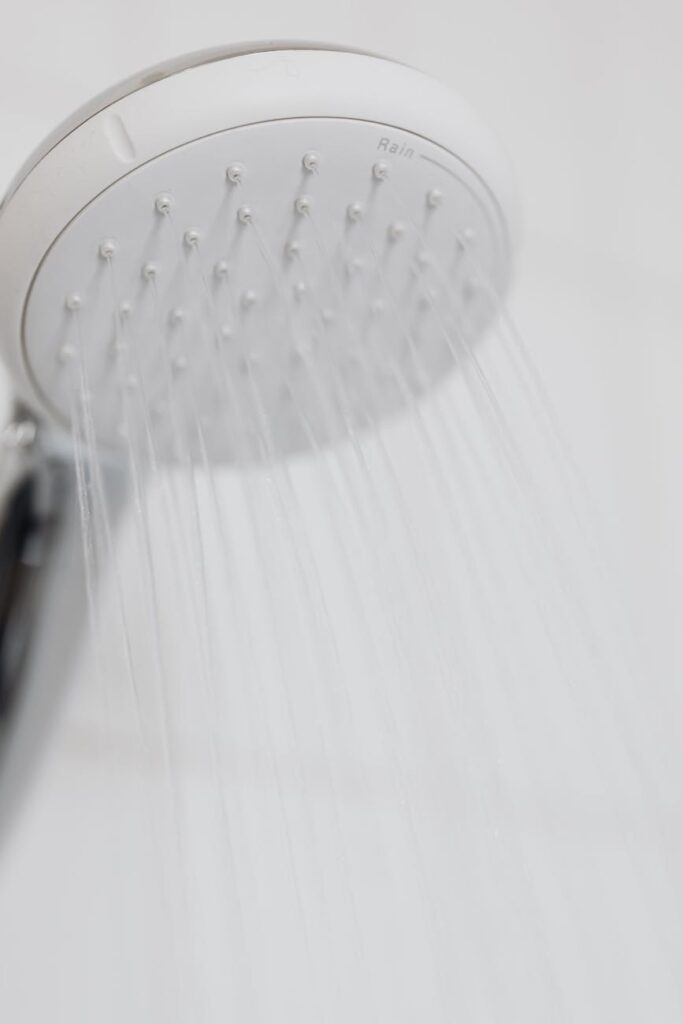
Shower Head Odor Mould & Damp Guide Part 1
Introduction
If you’ve noticed a musty smell every time you turn on your shower, you’re not alone. Shower head odor, often caused by mould and dampness, is a common issue in many homes. This guide will help you understand the causes, fix the problem, and prevent it from returning. Say goodbye to unpleasant smells and hello to a fresh shower experience!
What Causes Mould & Damp?
Mould and dampness thrive in warm, moist environments, making bathrooms a prime target. The primary causes include:
- High Humidity: Bathrooms often have high humidity levels, especially after a hot shower.
- Poor Ventilation: Lack of airflow can trap moisture, allowing mould to flourish.
- Water Accumulation: Dripping shower heads or leaks can create damp spots where mould can grow.
- White vinegar
- Baking soda
- Spray bottle
- Old toothbrush or scrub brush
- Microfiber cloth or sponge
- Safety goggles and mask (optional)
- Vinegar: A natural disinfectant that kills mould and neutralizes odors.
- Baking Soda: Excellent for scrubbing and absorbing odors.
- Hydrogen Peroxide: Another effective mould killer; use it in a spray bottle.
- Commercial Cleaners: If natural remedies fail, consider a commercial mould remover. Always follow the manufacturer’s instructions.
- Ignoring the Source: Always address the root cause of moisture, such as leaks or poor ventilation.
- Using Only Water: Water alone won’t kill mould; use vinegar or baking soda for effective results.
- Neglecting Regular Maintenance: Regular cleaning prevents mould growth. Set a schedule to clean your shower head and surrounding areas.
- Overlooking Ventilation: Never underestimate the importance of ventilation. Use exhaust fans or open windows to reduce humidity.
- Improve Ventilation: Install an exhaust fan or keep a window open during and after showers.
- Wipe Down Surfaces: After using the shower, quickly wipe down tiles and glass surfaces to remove moisture.
- Use a Squeegee: Keep a squeegee in the shower to remove excess water from walls and doors after each use.
- Regular Cleaning: Clean your shower head and surrounding areas at least once a month to prevent build-up.
- Seal Grout Lines: Use a grout sealer to prevent moisture from penetrating the grout.
Understanding these causes is the first step in tackling the issue effectively.
Why This Problem Happens
Mould grows quickly in environments that offer warmth and moisture. In bathrooms, steam from showers increases humidity. If your bathroom lacks proper ventilation, the steam doesn’t escape, creating a breeding ground for mould and dampness. Over time, this leads to unpleasant odors, which can be a sign of more significant issues if not addressed.
How to Fix Mould & Damp (Step-by-Step)
Fixing mould and damp issues is straightforward but requires diligence. Here’s a step-by-step guide:
Step 1: Gather Your Supplies
Before you start, gather the following materials:
Step 2: Turn Off Water Supply
If your shower head is leaking, turn off the water supply to prevent further dampness during cleaning.
Step 3: Remove the Shower Head
Carefully unscrew the shower head from the arm. If it’s stuck, use a wrench wrapped in a cloth to avoid scratches.
Step 4: Soak the Shower Head
In a bowl or bucket, mix equal parts of white vinegar and water. Submerge the shower head in this solution for at least 30 minutes. Vinegar effectively kills mould and eliminates odors.
Step 5: Scrub the Shower Head
After soaking, take the old toothbrush and scrub any remaining mould or mineral deposits. Pay special attention to the nozzles where water flows out.
Step 6: Rinse and Dry
Rinse the shower head thoroughly with warm water to remove any residue. Dry it completely with a microfiber cloth before reattaching it.
Step 7: Clean the Shower Area
While the shower head is soaking, don’t forget to clean the surrounding area. Spray a mixture of vinegar and water on tiles, grout, and walls. Let it sit for 10-15 minutes, then scrub and rinse.
Step 8: Reattach the Shower Head
Once everything is dry, screw the shower head back onto the arm. Ensure it is tight to prevent leaks.
Step 9: Test the Water Flow
Turn the water supply back on and check for any leaks. Run the shower for a few minutes to ensure everything is working correctly and the smell is gone.
Best Cleaning Methods
Different cleaning methods can help tackle mould and damp effectively. Here are some of the best:
Common Mistakes to Avoid
Avoid these common pitfalls when dealing with mould and damp:
Prevention Tips
Preventing mould and damp in your shower is much easier than cleaning it up. Here are some effective tips:
Frequently Asked Questions
1. How often should I clean my shower head?
Aim to clean your shower head at least once a month to prevent mould and mineral build-up.
2. Can I use bleach to clean mould?
While bleach can kill mould, it may not eliminate the root cause and can damage surfaces. Opt for vinegar or baking soda for a safer alternative.
3. Why does my shower head smell even after cleaning?
Persistent odors may indicate deeper mould issues in the plumbing. Check for leaks or consult a plumber if the problem continues.
4. What’s the best way to ventilate my bathroom?
Install an exhaust fan, or open windows during and after showers to allow steam to escape.
5. Can mould in my shower head affect my health?
While shower head mould is mainly a nuisance, prolonged exposure can cause respiratory issues. Regular cleaning can mitigate this risk.
6. How can I tell if I have mould behind tiles?
Look for discoloration or peeling paint on walls. A musty smell often indicates hidden mould. If you suspect mould behind tiles, consider consulting a professional.
By following the steps outlined in this guide, you can effectively tackle mould and damp issues associated with shower head odor. Stay proactive, and enjoy a fresh, clean shower experience!