
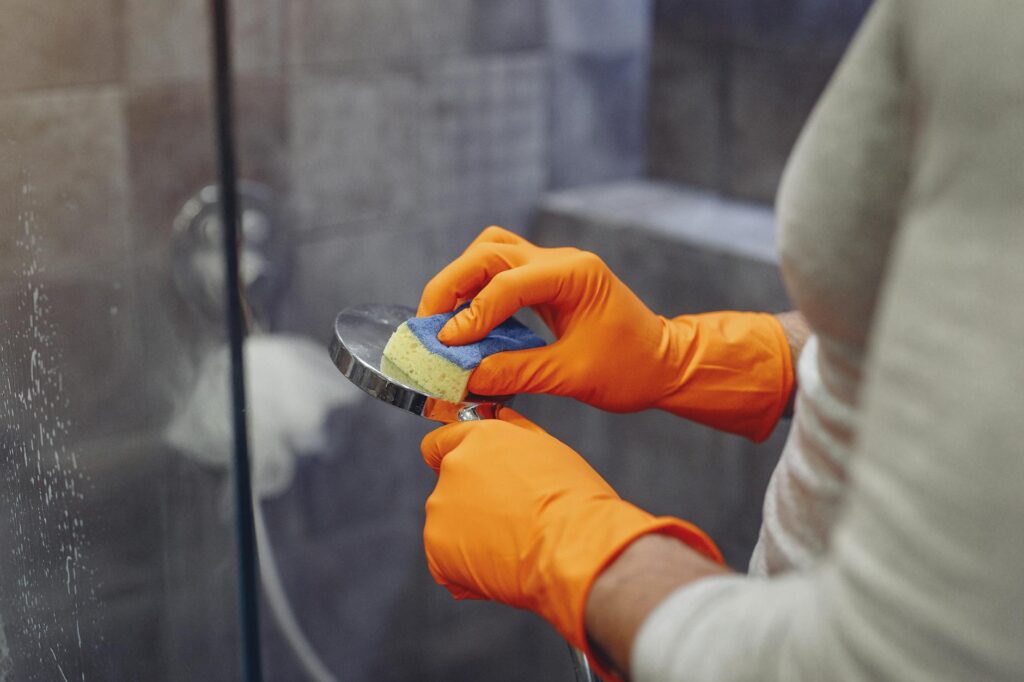
Shower Head Mold Cleaning Guide Part 1
Introduction
Mold and mildew in your shower head can be unsightly and affect the quality of your water flow. Regular cleaning is essential to maintaining a hygienic bathroom environment. This guide provides practical steps to identify, clean, and prevent mold growth in your shower head.
What Causes Mold?
Mold thrives in damp and warm environments, making bathrooms an ideal breeding ground. The combination of humidity from showers and the often limited airflow creates an environment where mold can flourish. Over time, mineral deposits from hard water can also contribute to the growth of mold and mildew.
Why This Problem Happens
The primary reasons for mold growth in shower heads include:
1. High Humidity: Bathrooms are typically humid, especially after hot showers. This moisture can linger on surfaces, including your shower head.
2. Poor Ventilation: Lack of airflow allows moisture to settle on surfaces, promoting mold growth.
3. Mineral Deposits: Hard water can leave behind mineral deposits that create a rough surface, making it easier for mold to adhere.
4. Neglect: Infrequent cleaning of the shower head allows mold to build up over time.
How to Fix Mold (Step-by-Step)
Cleaning your shower head might seem daunting, but following these steps can make the process straightforward.
Step 1: Gather Your Supplies
You will need:
- A plastic bag (preferably resealable)
- White vinegar or bleach
- An old toothbrush or soft brush
- A cloth or sponge
- Rubber bands (optional)
- Vinegar Soak: Vinegar is a natural disinfectant that effectively kills mold and mildew. It’s also safe for most shower head materials.
- Bleach Solution: While effective, bleach can be harsh on some finishes and should be used sparingly.
- Commercial Cleaners: There are specialized mold and mildew cleaners available. Always follow the manufacturer’s instructions.
Step 2: Prepare the Solution
For a natural solution, fill a plastic bag with white vinegar. If you prefer a stronger disinfectant, mix one part bleach with three parts water in a bowl.
Step 3: Apply the Solution
1. Vinegar Method: Place the bag filled with vinegar over the shower head. Secure it in place with a rubber band. The vinegar will work to dissolve the mold and mineral deposits.
2. Bleach Method: If using bleach, dip the brush into the solution and scrub the shower head gently. Avoid soaking the entire shower head in bleach as it can damage some finishes.
Step 4: Let It Sit
Allow the vinegar or bleach solution to sit for at least 30 minutes. This time will enable the solution to break down the mold.
Step 5: Scrub the Shower Head
After the solution has set, use the old toothbrush to scrub the shower head thoroughly. Pay special attention to the crevices where mold often hides.
Step 6: Rinse
Rinse the shower head with warm water to remove any remaining solution and loosened mold. Ensure that all cleaning agents are washed away.
Step 7: Dry
Wipe down the shower head with a clean cloth to remove any excess moisture. This step is crucial in preventing new mold growth.
Best Cleaning Methods
Common Mistakes to Avoid
1. Using Abrasive Cleaners: Avoid scouring pads that can scratch the shower head’s surface.
2. Ignoring Hard Water Deposits: Regularly check for and clean hard water deposits to prevent mold growth.
3. Not Ventilating the Bathroom: Failing to use an exhaust fan or open windows can lead to increased humidity.
4. Skipping Regular Maintenance: Don’t wait for mold to become visible before cleaning; make it a part of your regular cleaning routine.
Prevention Tips
1. Improve Ventilation: Use an exhaust fan or open windows during and after showers to reduce humidity.
2. Wipe Down Surfaces: After each shower, use a squeegee or cloth to wipe down the shower head and surrounding surfaces.
3. Regular Cleaning Schedule: Clean your shower head at least once a month to keep mold at bay.
4. Use a Water Softener: If you have hard water, consider installing a water softener to reduce mineral deposits.
Frequently Asked Questions
1. How often should I clean my shower head?
Aim to clean your shower head at least once a month for optimal hygiene.
2. Can I use any type of vinegar?
White vinegar is the best choice due to its acidity and effectiveness against mold.
3. What if the mold persists after cleaning?
If mold remains, you may need to soak the shower head longer or use a stronger cleaning solution, such as a commercial mold remover.
4. Is it safe to use bleach on all shower heads?
Bleach can be damaging to some finishes. Always check the manufacturer’s guidelines before using bleach.
5. How can I tell if my shower head is clogged?
If the water flow is uneven or reduced, it may indicate a clog. Cleaning it regularly can prevent this.
6. Can I prevent mold without cleaning?
Preventing mold without cleaning is challenging. Regular maintenance and preventive measures are essential for mold control.
By following this guide, you can effectively clean your shower head, remove mold, and maintain a fresh and hygienic bathroom environment. Stay tuned for Part 2, where we’ll cover advanced cleaning techniques and product recommendations.