
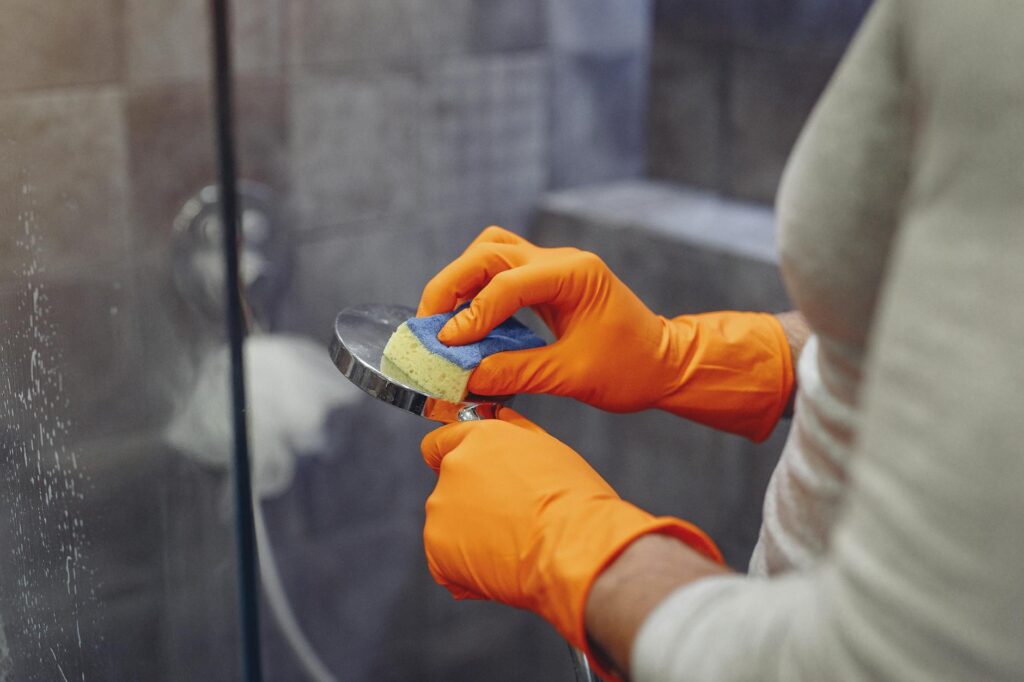
Shower Head Mold Bathroom Guide Part 1
Introduction
Mold in your shower head is not just unsightly; it can also affect water quality and pressure. Over time, the damp and humid environment of a bathroom can foster mold growth, which thrives on organic materials and moisture. In this guide, we’ll delve into the causes, solutions, and preventative measures to help you keep your shower head mold-free.
What Causes Bathroom Mold?
Mold growth in your shower head is primarily caused by:
1. Moisture: Bathrooms are humid spaces. Showers create an ideal environment for mold due to constant exposure to water.
2. Organic Material: Mineral deposits and soap scum can accumulate in and around your shower head, providing a food source for mold.
3. Poor Ventilation: Inadequate airflow allows humidity to linger, promoting mold growth.
4. Water Quality: Hard water contains minerals that can build up, creating a breeding ground for mold.
Why This Problem Happens
Understanding the reasons behind mold growth is essential for tackling the issue effectively:
- Humidity Levels: Bathrooms often have higher humidity levels compared to other rooms in the house, especially after showers or baths.
- Temperature Fluctuations: The warm environment of a shower encourages mold spores to thrive, while cooler areas may not dry out properly.
- Neglected Maintenance: Regular cleaning is often overlooked, allowing mold to take hold and spread.
- White vinegar or a commercial mold cleaner
- A plastic bag
- An old toothbrush or soft scrub brush
- Baking soda (optional)
- Gloves and a mask (for protection)
- For vinegar: Fill a plastic bag with white vinegar.
- For commercial cleaner: Follow the instructions on the label.
- Attach the bag of vinegar around the shower head, securing it with a rubber band.
- Allow it to soak for at least 30 minutes. For severe mold, leave it for several hours or overnight.
- After soaking, remove the bag and use the toothbrush to scrub away any remaining mold and mineral deposits.
How to Fix Bathroom Mold (Step-by-Step)
1. Assess the Situation: Check your shower head for visible mold. Inspect the surrounding area for leaks or dampness.
2. Gather Your Supplies: You’ll need:
3. Prepare the Cleaning Solution:
4. Soak the Shower Head:
5. Scrub the Shower Head:
6. Rinse Thoroughly: Turn on the shower and let the water run for a few minutes to flush out any remaining cleaning solution and debris.
7. Dry the Area: Wipe down the shower head and surrounding area to remove excess moisture.
Best Cleaning Methods
1. White Vinegar: A natural mold killer, vinegar is effective and safe. Its acidity helps dissolve mineral deposits while killing mold spores.
2. Baking Soda: Combine baking soda with vinegar for an extra cleaning boost. It acts as a gentle abrasive, perfect for scrubbing away stubborn mold.
3. Commercial Cleaners: If you prefer a quick solution, there are several commercial mold removal products available. Make sure to follow the manufacturer’s instructions carefully.
4. Hydrogen Peroxide: This is another effective mold killer. Use a 3% solution, applying it directly to the affected area.
Common Mistakes to Avoid
1. Ignoring the Problem: Mold can spread quickly. If you notice it, address it immediately rather than waiting for it to worsen.
2. Using Harsh Chemicals: While effective, harsh chemicals can damage your shower head and plumbing over time. Opt for safer alternatives when possible.
3. Not Soaking Long Enough: For tough mold, ensure you soak the shower head adequately to allow the solution to penetrate and dissolve buildup.
4. Failure to Rinse: Always rinse thoroughly after cleaning to remove any residue that can attract more mold.
5. Overlooking Other Areas: Mold can also grow in other bathroom areas. Don’t forget to check tiles, grout, and shower curtains.
Prevention Tips
1. Regular Cleaning: Clean your shower head at least once a month to prevent mold buildup.
2. Improve Ventilation: Use an exhaust fan or open a window during and after showers to reduce humidity.
3. Wipe Down Surfaces: After each use, wipe down the shower head and surrounding areas to remove moisture.
4. Install a Water Softener: If you have hard water, consider installing a water softener to reduce mineral buildup and protect your fixtures.
5. Seal Grout and Caulk: Ensure that tiles and seams are properly sealed to prevent moisture from seeping behind them.
Frequently Asked Questions
1. How often should I clean my shower head?
Aim to clean your shower head at least once a month to prevent mold and mineral buildup.
2. Can I use bleach to clean mold?
While bleach can kill mold, it may not be the best option for shower heads as it can damage certain finishes and won’t remove mineral deposits.
3. Is mold in my shower head dangerous?
While not typically harmful, mold can impact water quality and may trigger allergies or respiratory issues in sensitive individuals.
4. What should I do if mold keeps coming back?
If mold returns frequently, it may indicate underlying issues such as high humidity or leaks that need to be addressed.
5. Can I prevent mold with essential oils?
Some essential oils, like tea tree oil, have antifungal properties and can be added to cleaning solutions, but they should not replace regular cleaning.
6. How can I tell if my shower head is clogged?
If water pressure decreases or the spray pattern changes, it may indicate a clog from mineral deposits or mold.
By following these steps and tips, you can effectively tackle shower head mold and maintain a cleaner, healthier bathroom. Stay tuned for the next part of our guide, where we will explore more advanced cleaning techniques and maintenance strategies.