
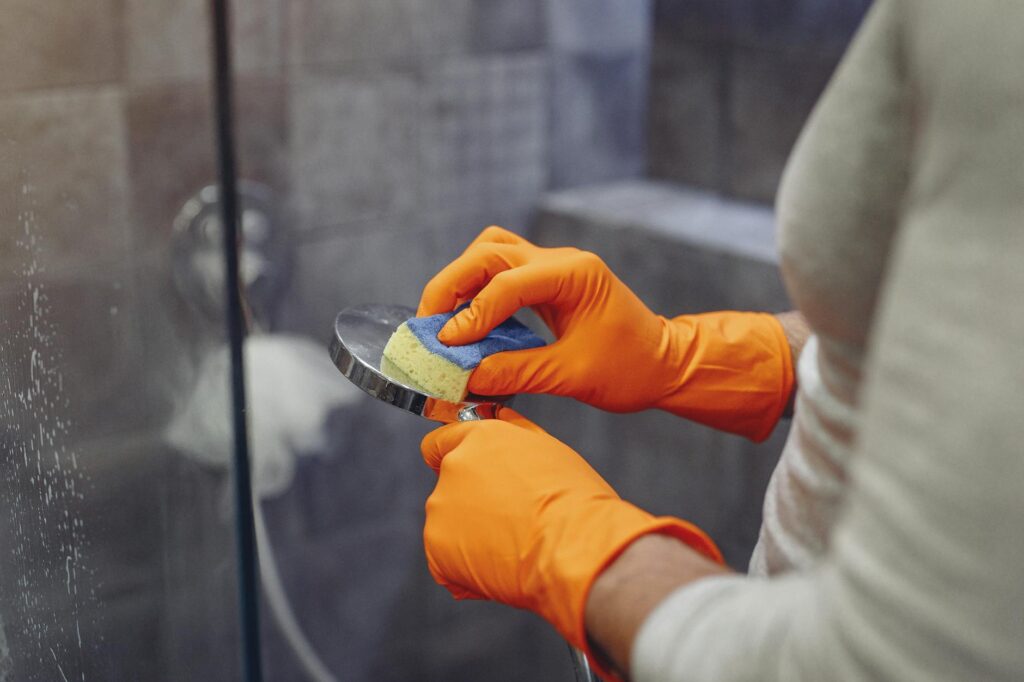
Shower Head Cleaning Stains Guide Part 1
Introduction
Cleaning your shower head is often overlooked, yet it’s crucial for maintaining good water flow and ensuring a hygienic bathroom. Over time, mineral deposits and other stains can build up, making your shower head look unsightly and reducing its efficiency. In this guide, we’ll explore what causes these stains, why they occur, and how to effectively remove them.
What Causes Stains?
Stains on shower heads primarily come from hard water. Hard water contains high levels of minerals, such as calcium and magnesium. When the water evaporates, it leaves behind these minerals, which can accumulate and form unsightly stains. Other potential sources of stains include:
- Soap Scum: Residue from soaps and shampoos can cling to the shower head.
- Mold and Mildew: Humid environments can promote the growth of mold, leading to dark stains.
- Rust: If your plumbing contains iron, rust can create reddish-brown stains.
- White vinegar or lemon juice
- A plastic bag or bowl
- An old toothbrush or soft scrub brush
- Baking soda (optional)
- Cloth or sponge
- How to Use: Soak the shower head in vinegar or spray it directly onto the surface, letting it sit before scrubbing.
- How to Use: Mix baking soda with a little water to form a paste. Apply it to the stained areas and scrub gently.
- How to Use: Follow the manufacturer’s instructions and ensure proper ventilation while using.
Why This Problem Happens
Stains occur mainly due to the mineral content in your water supply. In areas with hard water, the minerals can deposit on surfaces, creating a chalky or crusty appearance. Additionally, if a shower head is not cleaned regularly, soap scum and mold can accumulate, exacerbating the problem. High humidity in bathrooms further accelerates the growth of mold and mildew.
How to Fix Stains (Step-by-Step)
Step 1: Gather Supplies
You’ll need:
Step 2: Remove the Shower Head (Optional)
For a more thorough cleaning, consider removing the shower head. Use adjustable pliers to unscrew it from the pipe. If you prefer not to remove it, you can still clean it while it’s attached.
Step 3: Soak in Vinegar or Lemon Juice
If removed, fill a bowl with white vinegar or lemon juice. For an attached shower head, pour the vinegar or lemon juice into a plastic bag and secure it around the shower head with a rubber band.
Step 4: Let It Soak
Allow the shower head to soak for at least 30 minutes. For tough stains, you may want to let it soak for a few hours or overnight.
Step 5: Scrub the Stains
After soaking, use an old toothbrush or soft scrub brush to scrub away any remaining stains. Pay special attention to the nozzles, where mineral buildup commonly occurs.
Step 6: Rinse Thoroughly
Rinse the shower head under warm water. If you’ve removed it, screw it back on securely. If it’s still attached, run the shower for a few minutes to flush out any remaining vinegar or debris.
Step 7: Dry and Polish
Wipe the shower head with a cloth or sponge to dry and shine it.
Best Cleaning Methods
Vinegar Solution
Vinegar is a natural and effective cleaner. Its acidity helps dissolve mineral deposits without harmful chemicals.
Baking Soda Paste
For stubborn stains, a baking soda paste can be effective.
Commercial Cleaners
If natural methods aren’t effective, consider a commercial cleaner designed for mineral deposits.
Common Mistakes to Avoid
1. Using Abrasive Cleaners: Avoid harsh scrubbing pads or abrasive cleaners that can scratch the surface of your shower head.
2. Not Soaking Long Enough: For tough stains, a shorter soaking time may not be effective.
3. Skipping the Rinse Step: Failing to rinse thoroughly can leave behind cleaning residues.
4. Ignoring Regular Maintenance: Waiting too long between cleanings can make stains more difficult to remove.
5. Using Boiling Water: Hot water can warp plastic shower heads. Stick to warm water instead.
Prevention Tips
1. Regular Cleaning: Clean your shower head every month to prevent buildup.
2. Install a Water Softener: If you live in a hard water area, consider installing a water softener to reduce mineral deposits.
3. Wipe Down After Use: After showering, wipe the shower head with a cloth to remove water droplets.
4. Use a Squeegee: A quick squeegee of the shower walls and head can help minimize water spots.
5. Keep the Bathroom Ventilated: Good airflow reduces humidity and discourages mold growth.
Frequently Asked Questions
1. How often should I clean my shower head?
Aim to clean your shower head at least once a month for optimal performance.
2. Can I use bleach to clean my shower head?
While bleach can eliminate mold, it can also damage finishes. It’s best to stick with vinegar or other gentle cleaners.
3. What if the stains don’t come off after cleaning?
If stains persist, consider soaking the shower head longer or use a commercial cleaner specifically designed for mineral deposits.
4. Is it safe to leave vinegar on the shower head overnight?
Yes, vinegar is safe for most metals and plastics. However, ensure it doesn’t sit too long on certain finishes that could be damaged.
5. How do I know if my water is hard?
You can test for hard water using a home test kit, or if you notice soap not lathering well and mineral deposits on fixtures, you likely have hard water.
6. Can I clean a shower head with a toothbrush?
Yes! An old toothbrush is perfect for scrubbing away dirt and stains without scratching the surface.
By following these guidelines, you can keep your shower head clean and free from stains, ensuring a delightful shower experience every time. Stay tuned for Part 2, where we’ll delve deeper into advanced cleaning techniques and maintenance tips!