
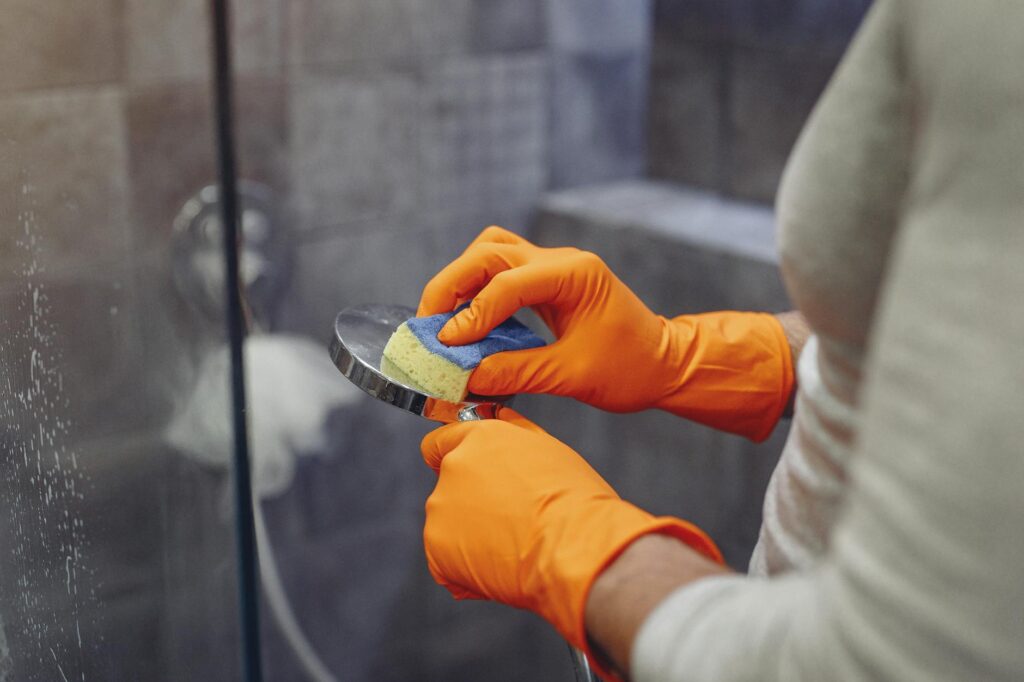
Shower Head Cleaning Odours Guide Part 1
Introduction
A clean shower head is essential for a refreshing shower experience. However, many homeowners encounter unpleasant odours emanating from their shower heads. This guide will help you understand why these odours occur, how to effectively eliminate them, and the best practices for keeping your shower head clean and fresh.
What Causes Odours?
Odours from shower heads typically arise from a combination of factors:
1. Mold and Mildew: These fungi thrive in damp environments, making shower heads an ideal breeding ground.
2. Bacteria Build-Up: Over time, bacteria can accumulate in the crevices of your shower head, leading to foul smells.
3. Mineral Deposits: Hard water can leave mineral deposits that not only affect water flow but can also contribute to unpleasant odours when bacteria cling to the minerals.
4. Stagnant Water: If your shower head is not used frequently, stagnant water can lead to musty smells.
Why This Problem Happens
Understanding the underlying reasons for odours can help you tackle the problem more efficiently:
- Humidity: Bathrooms are often high-humidity areas, which encourages mold and mildew growth.
- Poor Ventilation: Inadequate airflow can trap moisture, exacerbating the growth of bacteria and fungi.
- Neglect: Without regular cleaning, shower heads can accumulate debris and organic material that contribute to odours.
- Water Quality: If your home has hard water, the minerals can build up and create an environment for bacteria to flourish.
- White vinegar
- Baking soda
- A plastic bag
- An elastic band or string
- A toothbrush or soft scrub brush
- Dish soap
- If your shower head is removable, unscrew it using pliers or your hands. If it’s fixed, skip to the next step.
- Fill a plastic bag with equal parts white vinegar and water.
- If using a removable shower head, submerge it in the solution. For fixed heads, place the bag over the shower head and secure it with an elastic band or string.
- Allow the shower head to soak for at least 30 minutes. This will help dissolve any mineral deposits and kill bacteria.
- After soaking, sprinkle baking soda on a toothbrush or scrub brush.
- Gently scrub the nozzles and surfaces of the shower head to remove any remaining deposits and grime.
- Remove the bag (if applicable) and rinse the shower head under hot water to wash away the vinegar and baking soda.
- Screw the shower head back in place, ensuring it is secure but not overly tight.
- Turn on the shower for a few minutes to flush out any remaining vinegar and ensure proper water flow.
How to Fix Odours (Step-by-Step)
Follow these clear steps to effectively clean your shower head and eliminate unwanted odours:
1. Gather Your Supplies:
2. Remove the Shower Head (if necessary):
3. Soak the Shower Head:
4. Let it Sit:
5. Scrub with Baking Soda:
6. Rinse Thoroughly:
7. Reattach the Shower Head (if removed):
8. Run Water:
Best Cleaning Methods
Here are the most effective cleaning methods for maintaining a fresh-smelling shower head:
1. Vinegar Soak: This method is ideal for regular maintenance, as it effectively dissolves mineral deposits and kills bacteria.
2. Baking Soda Scrub: For tougher grime, combine baking soda with vinegar to create a paste. Apply it to the shower head, let it sit for a few minutes, and then scrub.
3. Commercial Cleaners: If natural methods fail, consider using a commercial cleaner specifically designed for shower heads. Ensure it’s safe for your type of shower head.
4. Hydrogen Peroxide: This is a powerful disinfectant that can eliminate bacteria and mildew. Mix equal parts hydrogen peroxide and water and apply it to the shower head.
Common Mistakes to Avoid
To achieve the best results, steer clear of these common pitfalls:
1. Neglecting Regular Maintenance: Skipping cleaning sessions can lead to more severe build-up and persistent odours.
2. Using Harsh Chemicals: Avoid bleach or ammonia-based cleaners, as these can damage your shower head and plumbing.
3. Not Scrubbing Enough: Simply soaking without scrubbing may not remove all deposits. Be sure to scrub the nozzles and surfaces thoroughly.
4. Ignoring Hard Water Issues: If you have hard water, consider installing a water softener to reduce mineral build-up.
5. Not Rinsing Properly: Failing to rinse thoroughly can leave behind cleaner residues, which can also contribute to odours.
Prevention Tips
To keep your shower head odour-free, incorporate these preventive measures:
1. Regular Cleaning: Clean your shower head once a month to prevent build-up.
2. Improve Ventilation: Use an exhaust fan or open windows to reduce humidity in your bathroom.
3. Dry After Use: Wipe the shower head with a towel after each use to minimize moisture.
4. Change Water Filters: If you have a water filtration system, replace filters as recommended to improve water quality.
5. Use Antimicrobial Shower Heads: Consider investing in a shower head designed to resist bacteria and mildew.
Frequently Asked Questions
1. How often should I clean my shower head?
It’s recommended to clean your shower head at least once a month to prevent odours and build-up.
2. Can I use bleach to clean my shower head?
Avoid using bleach, as it can damage the shower head and plumbing. Stick to vinegar and baking soda for safer cleaning.
3. What if my shower head is fixed and I can’t remove it?
You can still clean it by using a plastic bag filled with vinegar and water secured over the head. Follow the same soaking and scrubbing steps.
4. How can I tell if my shower head is clogged?
If water flow is weak or uneven, it may indicate a clog caused by mineral deposits or bacteria.
5. Can hard water really cause odours?
Yes, hard water can leave mineral deposits that bacteria cling to, leading to unpleasant smells.
6. What should I do if the odours persist after cleaning?
If odours continue, consider checking your plumbing for leaks or stagnant water and consult a plumber if necessary.
By following this guide, you can effectively combat odours from your shower head, ensuring a clean and pleasant shower experience. Stay tuned for Part 2, which will delve deeper into advanced cleaning techniques and solutions!