
Shower Head Cleaning Mould & Damp Guide Part 1
Introduction
Mould and dampness in your shower head can lead to unsightly stains and poor water flow, impacting your shower experience. More importantly, these issues can affect the overall hygiene of your bathroom. This guide will help you understand the causes of mould and damp, how to effectively clean your shower head, and how to prevent these problems from recurring.
What Causes Mould & Damp?
Mould thrives in damp environments, making your shower head an ideal breeding ground. The following factors contribute to the development of mould and damp in your shower head:
- High Humidity: Bathrooms are often humid, especially after a hot shower. This moisture can accumulate and provide a perfect environment for mould.
- Poor Ventilation: If your bathroom lacks proper airflow, moisture will linger longer, encouraging mould growth.
- Hard Water: Deposits from hard water can create a surface for mould to cling to, making it more challenging to clean.
- Neglect: Failing to regularly clean your shower head can allow mould to take hold.
- Condensation: Warm water creates steam, which condenses on cooler surfaces like your shower head, increasing dampness.
- Water Stagnation: If your shower head has areas where water can pool, it creates a damp environment ideal for mould.
- Organic Matter: Soap scum, hair, and skin cells can mix with moisture, providing food for mould.
- Temperature Fluctuations: Rapid changes in temperature can cause condensation to form, leading to dampness.
- White vinegar
- A plastic bag or bowl
- An old toothbrush or soft cloth
- Baking soda (optional)
- Water
- Fill a plastic bag or bowl with white vinegar.
- Submerge the shower head in the vinegar or tie the bag around it.
- Let it soak for at least 30 minutes to help dissolve the mould and mineral deposits.
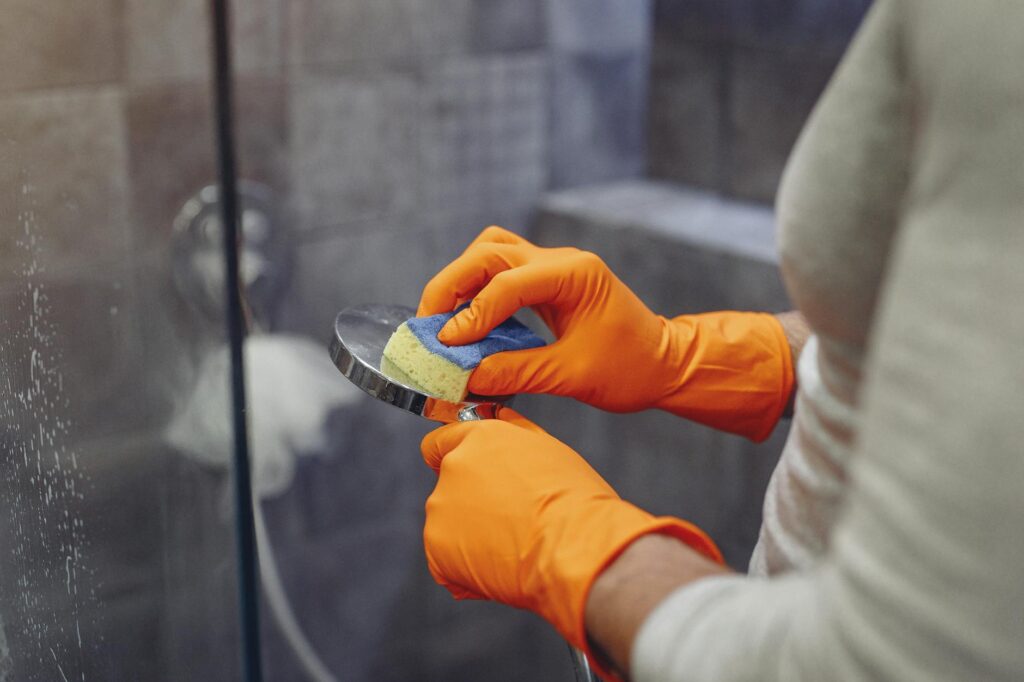
- After soaking, use an old toothbrush or soft cloth to scrub away any remaining mould.
- Pay special attention to nozzles and crevices where mould may hide.
- Rinse the shower head under hot water to remove any vinegar and loosened mould.
- If you removed it, reattach the shower head, ensuring it is secure.
- Turn on the shower to flush out any remaining debris and ensure even water flow.
- Baking Soda Paste: Mix baking soda with water to form a paste. Apply it to the mouldy areas and scrub with a toothbrush. Rinse thoroughly.
- Hydrogen Peroxide: This is a stronger disinfectant. Spray it directly onto the mould and let it sit for about 10 minutes before scrubbing and rinsing.
- Commercial Cleaners: If mould persists, consider using a store-bought mould remover. Always follow the manufacturer’s instructions and ensure good ventilation.
- Using Abrasive Cleaners: Avoid steel wool or harsh scrubbing pads as they can scratch the surface of your shower head.
- Not Soaking Long Enough: Insufficient soaking time can leave mould and deposits behind.
- Ignoring Regular Maintenance: Clean your shower head regularly to prevent build-up.
- Neglecting the Surrounding Area: Mould can spread to other parts of your bathroom. Clean tiles and grout as well.
- Improve Ventilation: Use an exhaust fan or keep a window open while showering to reduce humidity.
- Wipe Down Surfaces: After showering, use a squeegee or towel to wipe down the shower head and walls.
- Use a Water Softener: If you have hard water, installing a water softener can help reduce mineral build-up.
- Regular Cleaning Schedule: Incorporate shower head cleaning into your routine to ensure it remains mould-free.
- Seal Grout and Caulking: Ensure that any grout or caulking is sealed properly to prevent dampness.
Why This Problem Happens
Understanding why mould and damp occur can help you tackle the problem effectively. The primary reasons include:
How to Fix Mould & Damp (Step-by-Step)
Cleaning your shower head to remove mould and damp is straightforward. Follow these steps for an effective clean:
Step 1: Gather Supplies
You will need:
Step 2: Remove the Shower Head (If Possible)
If your shower head is easily detachable, remove it for a more thorough clean. If not, you can still clean it in place.
Step 3: Soak in Vinegar
Step 4: Scrub the Shower Head
Step 5: Rinse Thoroughly
Step 6: Reattach the Shower Head
Step 7: Run Water
Best Cleaning Methods
While vinegar is effective, there are other cleaning methods you can use:
Common Mistakes to Avoid
When cleaning your shower head, avoid these common pitfalls:
Prevention Tips
To keep mould and damp at bay, consider these preventive measures:
Frequently Asked Questions
1. How often should I clean my shower head?
Aim to clean your shower head every month to prevent mould build-up.
2. Is vinegar safe for all types of shower heads?
While vinegar is generally safe, avoid using it on gold or brass finishes as it may cause damage.
3. Can I use bleach to clean mould?
Bleach can kill mould but may not effectively remove it from surfaces. It’s better for disinfecting areas rather than cleaning.
4. What if my shower head is still clogged after cleaning?
If your shower head is still clogged, consider soaking it in vinegar overnight or replacing it if the issue persists.
5. Can mould in the shower cause health problems?
While mould can be a nuisance, it may pose health risks for sensitive individuals. Regular cleaning can mitigate these risks.
6. How can I tell if my shower head is made of materials that react poorly to vinegar?
Check the manufacturer’s guidelines or product information. If in doubt, test a small, inconspicuous area first.
By following this guide, you can effectively combat mould and damp in your shower head, ensuring a clean and enjoyable shower experience. Stay tuned for Part 2, where we’ll explore advanced cleaning techniques and maintenance tips.