
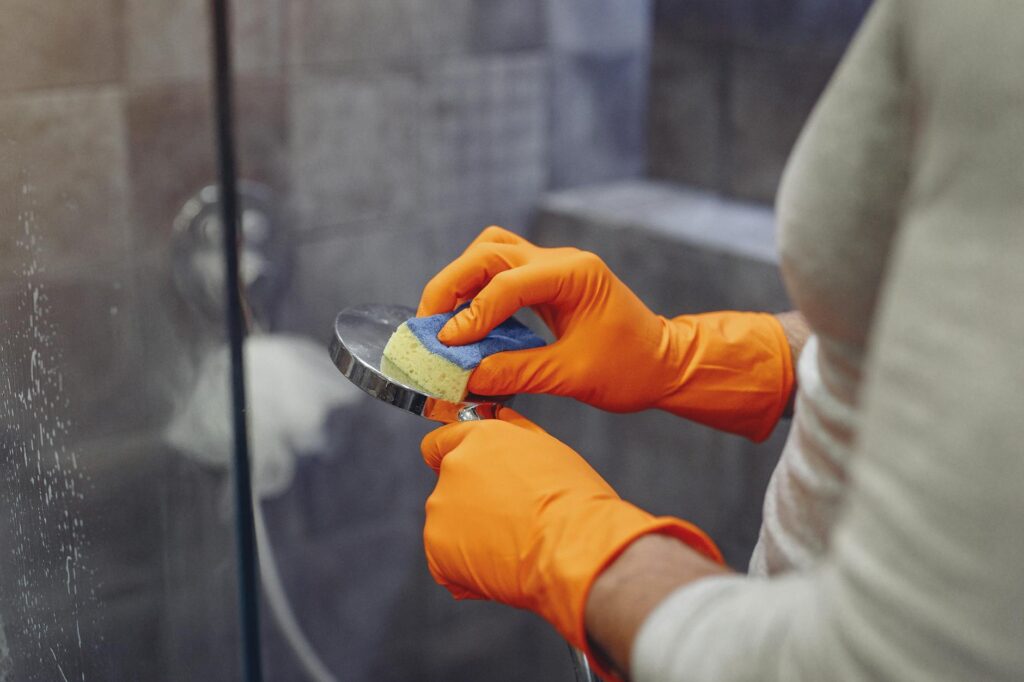
Shower Head Cleaning Guide Part 1
Introduction
Keeping your shower head clean is essential for maintaining water flow and ensuring a pleasant shower experience. Over time, mineral deposits, mold, and bacteria can accumulate, leading to reduced water pressure and unsightly buildup. This guide will provide you with practical steps to clean your shower head effectively, addressing common problems and prevention tips to keep your shower head in top shape.
What Causes Cleaning?
The buildup on shower heads typically comes from two main sources:
1. Mineral Deposits: Hard water contains minerals like calcium and magnesium. When water evaporates, these minerals are left behind, forming limescale and calcification on your shower head.
2. Mold and Mildew: Humidity in the bathroom can lead to mold and mildew growth. This is especially common in shower heads where water collects and may not fully drain.
Why This Problem Happens
Several factors contribute to the need for regular shower head cleaning:
- Hard Water: If you live in an area with hard water, you’re more likely to experience mineral buildup in your plumbing fixtures.
- Lack of Regular Maintenance: Without regular cleaning, mineral deposits and mold can accumulate, making it harder to clean later.
- Old Fixtures: Older shower heads may have more nooks and crannies for buildup to accumulate, leading to worse cleaning problems over time.
- White vinegar or a commercial descaler
- A plastic bag
- Rubber band or string
- Soft brush (like an old toothbrush)
- A towel
- Using Abrasive Cleaners: Avoid harsh chemicals or abrasive scrubbers that can scratch or damage the surface of your shower head.
- Not Soaking Long Enough: For tough stains, always allow enough time for the soaking solution to work.
- Skipping Regular Maintenance: Neglecting to clean regularly leads to more severe buildup, making it harder to clean later.
How to Fix Cleaning (Step-by-Step)
Cleaning your shower head doesn’t have to be a chore. Here’s a simple, step-by-step guide:
Step 1: Gather Your Supplies
You’ll need:
Step 2: Prepare the Shower Head
1. Turn Off Water Supply: If possible, turn off the water supply to avoid any unnecessary mess.
2. Remove the Shower Head: If your shower head can be unscrewed, carefully detach it using a wrench if necessary. If not, you can still clean it while it’s attached.
Step 3: Soak in Vinegar
1. Bag Method: Fill a plastic bag with white vinegar.
2. Attach the Bag: Secure the bag around the shower head using a rubber band or string, ensuring the shower head is fully submerged in the vinegar.
3. Let It Soak: Allow it to soak for at least 30 minutes to an hour. For heavy buildup, leave it overnight.
Step 4: Scrub the Shower Head
1. Remove the Bag: Carefully take off the plastic bag.
2. Scrub: Use the soft brush to scrub away any remaining deposits. Pay special attention to the nozzles and crevices where buildup can hide.
Step 5: Rinse and Reattach
1. Rinse Thoroughly: Run hot water through the shower head to rinse away vinegar and loosened deposits.
2. Reattach: If you removed the shower head, screw it back on securely.
Step 6: Test the Water Flow
Turn on the water and check for improved flow. If you notice any remaining buildup, repeat the soaking and scrubbing process.
Best Cleaning Methods
While vinegar is an excellent natural cleaner, you can also consider these methods:
1. Baking Soda and Vinegar: For stubborn buildup, sprinkle baking soda on the shower head before soaking it in vinegar. This combination creates a fizzing action that helps break down grime.
2. Commercial Descalers: If you prefer a ready-made solution, there are many commercial descalers available that are effective for mineral buildup. Always follow the manufacturer’s instructions.
3. Hydrogen Peroxide: For mold and mildew, spray hydrogen peroxide directly onto the affected areas, let it sit for 10 minutes, then scrub and rinse.
Common Mistakes to Avoid
Prevention Tips
1. Regular Cleaning: Clean your shower head every one to three months, depending on your water quality and usage.
2. Install a Water Softener: If you have hard water, consider installing a water softener to reduce mineral buildup.
3. Wipe Down After Use: After each shower, wipe the shower head with a towel to prevent moisture from lingering.
4. Use a Squeegee: Keep a squeegee handy to quickly remove water from walls and fixtures, reducing humidity.
Frequently Asked Questions
1. How often should I clean my shower head?
For best results, clean your shower head every one to three months, depending on your water quality.
2. Can I clean my shower head with bleach?
Bleach is not recommended as it can damage the finish of your shower head and may not effectively remove mineral deposits.
3. What if my shower head is still clogged after cleaning?
If the clog persists, try soaking it longer in vinegar or consider using a commercial descaler for tougher buildup.
4. Are there shower heads that resist buildup?
Yes, some shower heads are designed with anti-clog features or coatings that reduce mineral buildup. Look for these options when replacing your shower head.
5. Can I put my shower head in the dishwasher?
While some shower heads are dishwasher-safe, always check the manufacturer’s instructions first to avoid damaging your fixture.
6. What should I do if I can’t remove my shower head?
If you can’t remove your shower head, follow the bag method with vinegar while it remains attached, ensuring it is well secured.
By following this guide, you can keep your shower head clean, functional, and working efficiently. Regular maintenance will save you time and effort in the long run, ensuring a refreshing shower experience every time.