
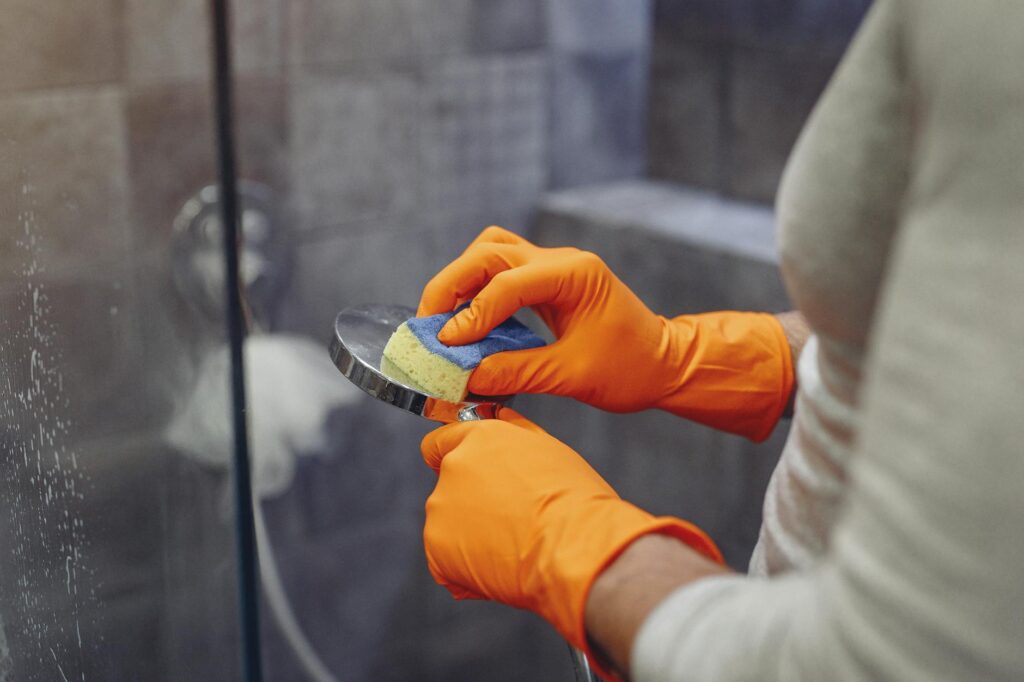
Shower Head Cleaning Appliances Guide Part 1
Introduction
Shower heads are essential for our daily hygiene routines, but over time, they can become clogged with mineral deposits, mold, and bacteria. These issues can not only reduce water flow but also compromise the quality of your shower experience. This guide will help you understand the causes of shower head problems and provide actionable steps to clean and maintain them effectively.
What Causes Appliances?
The term “appliances” in this context refers to the buildup of mineral deposits, mold, and other residues that affect your shower head’s performance. Common causes include:
- Hard Water: Contains high levels of minerals like calcium and magnesium, which can accumulate in your shower head.
- Humidity: A damp environment encourages mold and mildew growth.
- Neglect: Over time, infrequent cleaning can lead to significant buildup.
- White vinegar or a descaling solution
- A plastic bag or bowl
- Rubber bands or string
- A soft brush (like an old toothbrush)
- Water
- A lint-free cloth
- Vinegar Method: Fill a plastic bag with white vinegar.
- Descaling Method: If using a descaling solution, follow the manufacturer’s instructions for dilution.
- Detachable Head: Place the shower head in the bowl of vinegar or secure the plastic bag around it with rubber bands.
- Fixed Head: Attach the bag filled with vinegar or solution around the shower head and secure it in place.
Understanding these causes is the first step toward effective cleaning and maintenance.
Why This Problem Happens
Shower heads can become problematic primarily due to the following factors:
1. Mineral Buildup: Hard water leaves behind deposits that clog the small openings in the shower head, reducing water pressure and creating a less enjoyable shower experience.
2. Mold and Mildew: The warm, humid environment of a bathroom is a breeding ground for mold and mildew, which can accumulate on the shower head and affect water quality.
3. Neglect: Many homeowners overlook regular shower head cleaning, allowing problems to worsen over time.
Understanding these root causes will help you take proactive measures to maintain your shower head effectively.
How to Fix Appliances (Step-by-Step)
Cleaning your shower head doesn’t have to be a daunting task. Follow these simple steps to restore it to its optimal condition:
Step 1: Gather Your Supplies
Step 2: Remove the Shower Head (Optional)
If your shower head is detachable, consider removing it for a more thorough cleaning. If it’s fixed, you can still clean it effectively.
Step 3: Prepare the Cleaning Solution
Step 4: Soak the Shower Head
Step 5: Let It Soak
Allow the shower head to soak for at least 30 minutes. For heavy buildup, you may want to extend this to a few hours or overnight.
Step 6: Scrub the Shower Head
After soaking, use the soft brush to scrub any remaining deposits gently. Pay special attention to the nozzles and any crevices.
Step 7: Rinse and Reattach
Rinse the shower head thoroughly under warm water to remove any remaining vinegar or solution. If you removed it, reattach it securely.
Step 8: Test the Water Flow
Turn on the shower to check the water flow. If it’s still restricted, repeat the process or consider replacing the shower head.
Best Cleaning Methods
When it comes to cleaning shower heads, these methods stand out:
1. Vinegar Soak: The acidity of vinegar effectively breaks down mineral deposits and is safe for most shower head materials.
2. Baking Soda Paste: For stubborn stains, mix baking soda with a small amount of water to form a paste. Apply it to the affected areas, let it sit for 15 minutes, and scrub.
3. Commercial Descalers: If vinegar doesn’t do the trick, consider using a commercial descaling product designed for shower heads. Always follow the manufacturer’s instructions.
Common Mistakes to Avoid
1. Using Abrasive Cleaners: Avoid scouring pads or harsh chemicals that can scratch or damage your shower head.
2. Ignoring the Shower Hose: Don’t forget to clean the hose as well; mineral deposits can build up there too.
3. Not Rinsing Thoroughly: Always ensure that all cleaning solutions are rinsed away to prevent any lingering chemical odors or residues.
4. Overlooking Regular Maintenance: Set a reminder to clean your shower head every few months to prevent significant buildup.
Prevention Tips
Preventing shower head problems is easier than fixing them. Here are some practical tips:
1. Regular Cleaning: Clean your shower head every 2-3 months using vinegar or a mild cleaner to prevent buildup.
2. Install a Water Softener: If hard water is a problem in your area, consider installing a water softener to reduce mineral deposits.
3. Wipe Down After Use: After each shower, wipe down the shower head with a cloth to remove moisture and deter mold growth.
4. Ventilate: Use exhaust fans or open windows to reduce humidity in the bathroom, minimizing mold and mildew growth.
Frequently Asked Questions
1. How often should I clean my shower head?
It’s recommended to clean your shower head every 2-3 months to prevent buildup and maintain optimal water flow.
2. Can I use bleach to clean my shower head?
While bleach is effective for mold, it can damage certain materials. Stick to vinegar or mild cleaning solutions for best results.
3. What if my shower head is still clogged after cleaning?
If cleaning doesn’t resolve the issue, it may be time to replace your shower head, especially if it’s old or heavily corroded.
4. Is it safe to soak my shower head overnight?
Soaking overnight in vinegar is generally safe for most shower heads, but check the manufacturer’s guidelines for your specific model.
5. Can I use a toothbrush for scrubbing?
Yes, an old toothbrush works well for scrubbing, as it can reach small crevices without damaging the surface.
6. What type of shower head is easiest to clean?
Handheld shower heads are typically easier to clean because you can detach them and reach all areas more effectively.
By following these practical tips and methods, you can ensure your shower head remains clean and functional, enhancing your daily shower experience. Stay tuned for Part 2, where we’ll dive deeper into advanced cleaning techniques and maintenance practices.