
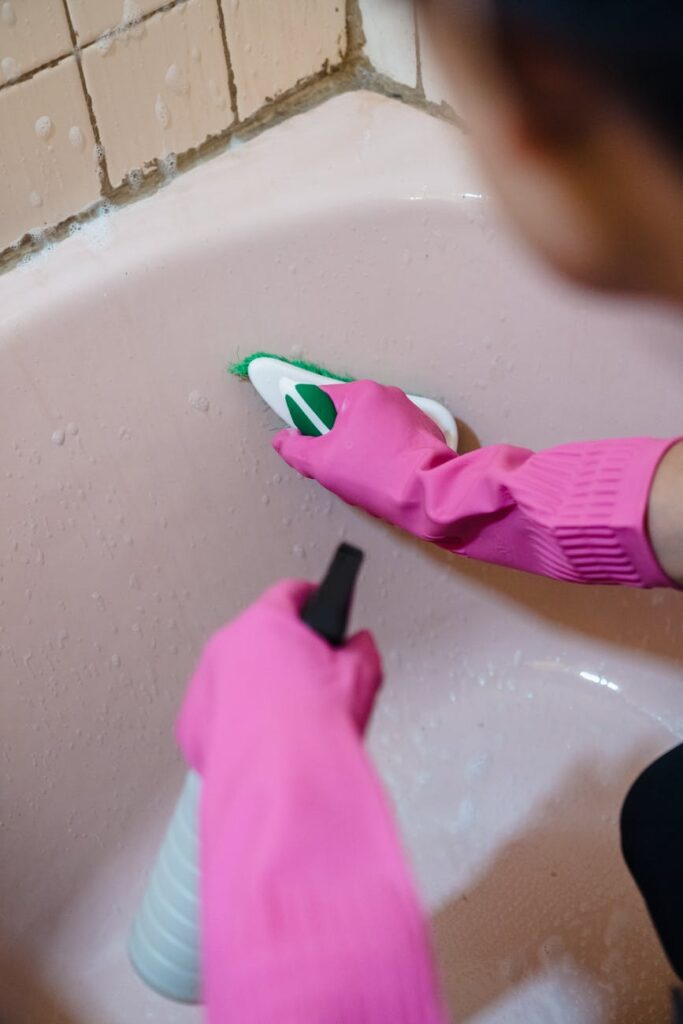
Shower Grime Removal Cleaning Guide Part 1
Introduction
Shower grime is a common nuisance that can turn your relaxing shower experience into a battle against unsightly buildup. Whether it’s soap scum, mildew, or hard water stains, effectively removing these irritants is essential for maintaining a clean and inviting bathroom. This guide will walk you through the causes of shower grime, how to effectively clean it, and tips to keep it at bay.
What Causes Grime?
Shower grime is primarily caused by the combination of water, soap, and skin oils. Here’s a breakdown of what contributes to the buildup:
1. Soap Scum: This residue forms when soap reacts with minerals in hard water. It creates a sticky film that clings to surfaces.
2. Mildew and Mold: These fungi thrive in warm, moist environments, making showers an ideal breeding ground.
3. Hard Water Stains: Calcium and magnesium deposits from hard water leave unsightly marks on glass and tile.
4. Body Oils and Skin Cells: Natural oils and dead skin can cling to surfaces, contributing to the overall grime.
Understanding what causes grime will help you tackle it more effectively.
Why This Problem Happens
The primary reason shower grime accumulates is due to the environment of the shower itself. High humidity and warmth create the perfect conditions for mildew growth. Additionally, daily use means that soap and oils continuously build up, especially in areas that are less frequently cleaned.
Over time, neglecting routine cleaning allows grime to harden and cling stubbornly to surfaces. This not only affects the appearance of your shower but can also lead to long-term damage if not addressed.
How to Fix Grime (Step-by-Step)
Cleaning shower grime can be straightforward if you follow these steps:
Step 1: Gather Your Supplies
Before you start, gather the following materials:
- White vinegar
- Baking soda
- Spray bottle
- Scrub brush or sponge
- Microfiber cloth
- Dish soap
- Rubber gloves (optional)
- Vinegar and Baking Soda: An excellent combo for soap scum and hard water stains. The acidity of vinegar helps dissolve mineral deposits while baking soda provides gentle abrasion.
- Dish Soap and Baking Soda: For oily residues, mix dish soap with baking soda to create a paste. Apply it to the affected areas, let it sit, and scrub.
- Commercial Cleaners: If natural methods don’t work, consider using a commercial cleaner specifically designed for shower grime. Always follow the manufacturer’s instructions.
Step 2: Ventilate the Area
Open a window or turn on the bathroom fan to ensure proper ventilation. This will help any strong odors dissipate and make the cleaning process more pleasant.
Step 3: Apply Vinegar Solution
1. Fill a spray bottle with equal parts white vinegar and water.
2. Spray the solution generously on the affected areas, including tiles, glass, and grout.
3. Let it sit for 10-15 minutes to break down the grime.
Step 4: Scrub the Grime
1. Using a scrub brush or sponge, scrub the surfaces in circular motions.
2. Pay special attention to corners and crevices where grime tends to accumulate.
3. For tough stains, you can sprinkle baking soda on the scrub brush for added scrubbing power.
Step 5: Rinse Thoroughly
After scrubbing, rinse all surfaces with warm water. Make sure to remove any residue from the cleaning solutions.
Step 6: Dry the Shower
Use a microfiber cloth to dry the surfaces. This will help prevent water spots and future grime buildup.
Best Cleaning Methods
Different methods work for various types of grime. Here are some of the best options:
Common Mistakes to Avoid
1. Using Abrasive Cleaners: Avoid harsh scrubbing pads or abrasive cleaners that can scratch surfaces.
2. Not Allowing Solutions to Sit: Failing to let cleaning solutions sit long enough can reduce their effectiveness.
3. Skipping Rinsing: Rinsing is crucial to remove all cleaning agents. Neglecting this can lead to residue buildup.
4. Ignoring Ventilation: Cleaning without proper ventilation can make the process uncomfortable and may exacerbate mildew growth.
Prevention Tips
Preventing grime from building up is easier than dealing with it later. Here are some effective strategies:
1. Squeegee After Each Use: Use a squeegee on glass doors and tiles after each shower to remove excess water.
2. Wipe Down Surfaces: Keep a microfiber cloth handy to quickly wipe down surfaces after use.
3. Use a Daily Shower Spray: Consider using a daily shower cleaner that can help keep surfaces clean with minimal effort.
4. Fix Leaks: Address any leaks promptly to minimize excess water and moisture in the shower area.
5. Ventilate: Always keep your bathroom well-ventilated to reduce humidity levels.
Frequently Asked Questions
1. How often should I clean my shower?
Aim for a deep clean every two weeks, with quick wipe-downs after each shower to maintain cleanliness.
2. Can I use bleach to clean my shower?
While bleach can be effective for mold and mildew, it should be used sparingly and never mixed with other cleaners. Always ventilate the area when using bleach.
3. What’s the best way to remove hard water stains?
A mixture of equal parts vinegar and water, combined with baking soda, can effectively break down hard water stains.
4. How do I clean shower grout?
Apply a paste of baking soda and water to the grout, let it sit for 10-15 minutes, and scrub with an old toothbrush before rinsing.
5. Are there any natural alternatives to commercial cleaners?
Yes, vinegar, baking soda, and lemon juice are excellent natural cleaners that can help remove grime.
6. What should I do if the grime won’t come off?
If stubborn grime persists after multiple cleanings, consider using a commercial deep-cleaning solution specifically designed for tough stains.
By following this guide, you can tackle shower grime effectively and keep your bathroom looking fresh and clean. Stay tuned for Part 2, where we’ll delve deeper into advanced cleaning techniques and solutions for tougher grime challenges.