
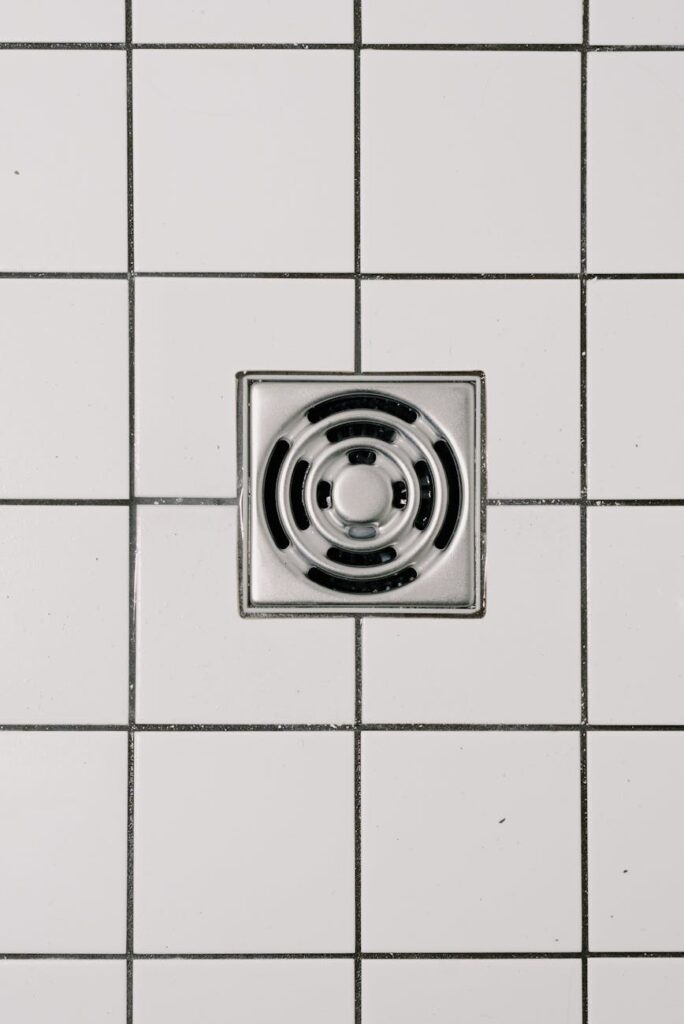
Shower Drain Stains Cleaning Guide Part 1
Introduction
Shower drain stains can be an eyesore and a source of frustration for homeowners. These unsightly marks can accumulate over time, affecting the overall appearance of your bathroom. Understanding what causes these stains and how to effectively clean them is essential for maintaining a fresh and hygienic shower environment. In this guide, we’ll walk you through practical steps to tackle shower drain stains, ensuring your space remains clean and inviting.
What Causes Shower Drain Stains?
Shower drain stains can arise from a variety of sources, including:
- Mineral Deposits: Hard water can leave behind mineral deposits, leading to unsightly stains.
- Soap Scum: Residue from soaps and shampoos can build up over time, creating a sticky layer that turns into stains.
- Mold and Mildew: Excess moisture in the shower can lead to mold and mildew growth around the drain area.
- Hair and Debris: Hair clogs and debris can trap moisture, which contributes to staining.
- White vinegar
- Baking soda
- A scrub brush or old toothbrush
- A spray bottle
- Rubber gloves
- A bucket
- A microfiber cloth
- Commercial Drain Cleaners: Look for eco-friendly options that are safe for home use. Always follow the instructions on the label.
- Lemon Juice: The acidity in lemon juice can help break down soap scum and mineral deposits. Apply it in the same way as vinegar.
- Borax: For tough stains, sprinkle borax in the drain and let it sit overnight before rinsing with hot water.
- Regular Cleaning: Establish a routine to clean the shower drain at least once a month. This will help keep stains at bay.
- Use a Drain Cover: Install a drain cover to catch hair and debris, minimizing buildup.
- Consider Water Softening: If you have hard water, consider installing a water softener to reduce mineral deposits.
- Dry the Shower: After each use, wipe down the shower and drain area to eliminate moisture.
Understanding these causes is the first step in effectively addressing the problem.
Why This Problem Happens
Regular use of the shower means constant exposure to water and cleaning products. Over time, the combination of these factors can lead to staining. Hard water, in particular, is notorious for leaving behind mineral deposits that can be difficult to remove. Additionally, soap scum can accumulate, especially if the shower isn’t cleaned regularly. If not addressed, these stains can become more stubborn and harder to clean.
How to Fix Shower Drain Stains (Step-by-Step)
Step 1: Gather Your Supplies
Before diving into cleaning, gather the following supplies:
Step 2: Remove Any Debris
Begin by removing any visible hair or debris from the drain. Use your hands or a pair of tweezers if necessary. This will help you get to the stains directly.
Step 3: Apply Baking Soda
Sprinkle a generous amount of baking soda directly into the shower drain. Baking soda is a natural abrasive that will help lift stains.
Step 4: Add Vinegar
Next, pour white vinegar over the baking soda. You will notice a fizzing reaction, which helps break down stains. Allow this mixture to sit for about 15-20 minutes.
Step 5: Scrub the Area
After the mixture has had time to work, use your scrub brush or toothbrush to scrub the drain area gently. Focus on stained spots, and don’t forget to clean around the drain cover.
Step 6: Rinse Thoroughly
Once you’ve scrubbed the area, rinse it thoroughly with hot water. This will help flush away any remaining baking soda, vinegar, and loosened stains.
Step 7: Dry the Area
Finally, use a microfiber cloth to dry the area around the drain. This helps prevent future moisture buildup, which can lead to more stains.
Best Cleaning Methods
While the baking soda and vinegar method is effective, here are some other cleaning methods to consider:
Common Mistakes to Avoid
1. Using Abrasive Cleaners: Avoid harsh chemicals or abrasive scrubbers that can scratch the surface of your drain.
2. Ignoring Regular Maintenance: Cleaning your shower drain regularly can help prevent stains from building up.
3. Not Rinsing Thoroughly: Failing to rinse properly can leave residue that may contribute to future stains.
4. Neglecting the Surrounding Area: Stains can develop around the drain as well, so ensure you clean the entire area.
Prevention Tips
Frequently Asked Questions
1. How often should I clean my shower drain?
It’s recommended to clean your shower drain once a month to prevent stains and buildup.
2. Can I use bleach to clean shower drain stains?
While bleach can be effective, it can also damage some surfaces. Stick to safer options like vinegar and baking soda for regular cleaning.
3. What if the stains are still visible after cleaning?
If stains persist, you may need to repeat the cleaning process or use a specialized cleaner designed for tough stains.
4. Is it safe to use commercial drain cleaners?
Yes, but be sure to follow the manufacturer’s instructions and choose eco-friendly options when possible.
5. How can I tell if my drain is clogged?
Signs of a clogged drain include slow drainage, gurgling sounds, or standing water in the shower.
6. Does hard water affect shower drain stains?
Yes, hard water is a major contributor to mineral deposits, which can lead to staining around the shower drain.
Maintaining a clean shower drain is essential for a welcoming bathroom environment. By following these steps and tips, you can effectively manage and prevent stains, ensuring your shower remains a clean and pleasant space. Stay tuned for Part 2, where we’ll delve deeper into advanced cleaning techniques and solutions for stubborn stains.