
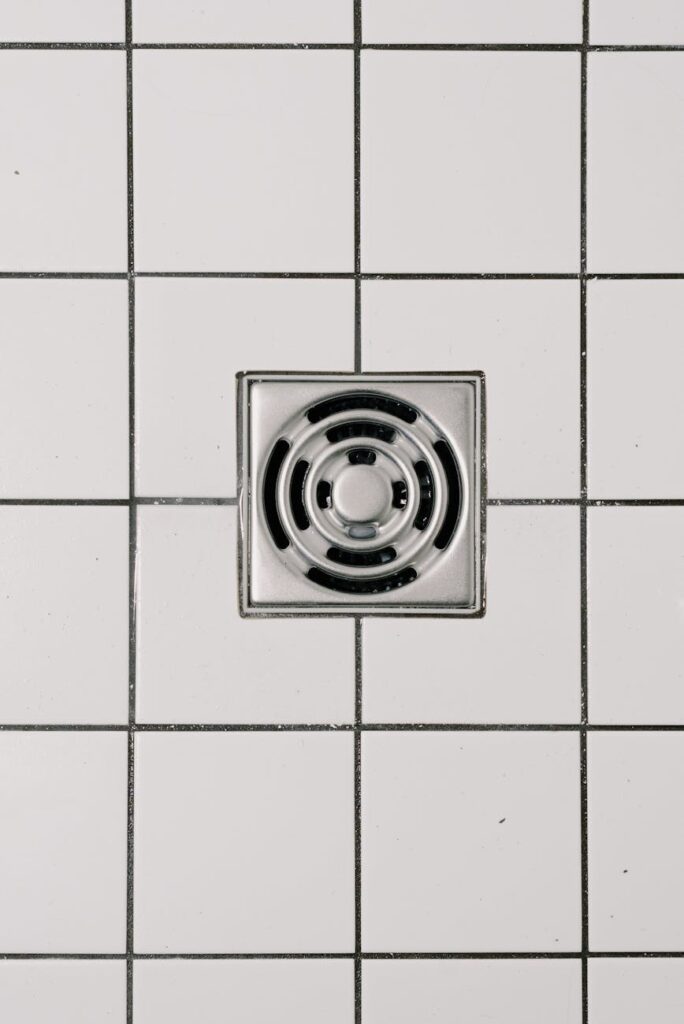
Shower Drain Smells Stains Guide Part 1
Introduction
Shower drains can accumulate unpleasant smells and unsightly stains over time. These issues not only detract from your bathroom’s appearance but can also lead to hygiene concerns. This guide will help you identify the causes of these stains, how to fix them, and preventative measures to keep your shower drain fresh.
What Causes Stains?
Stains in your shower drain typically arise from a mixture of soap scum, hair, body oils, and bacteria. When these substances build up, they create a breeding ground for mold and mildew, leading to both odor and discoloration.
Common Stain Types:
- Soap Scum: A filmy residue from soap that clings to surfaces.
- Mineral Deposits: Hard water can leave behind mineral buildup, often appearing as white or yellow stains.
- Mold and Mildew: Dark spots that thrive in damp, warm conditions.
- Organic Material: Hair and skin cells can contribute to stain formation and odors.
- Clogging: Blockages can trap water, increasing the chance of stagnant water and odors.
- Poor Ventilation: Bathrooms with inadequate airflow can foster mold growth.
- Neglected Maintenance: Failing to clean your drain regularly allows stains and smells to build up.
- Baking soda
- White vinegar
- Dish soap
- A scrub brush or old toothbrush
- A sponge or cloth
- Boiling water
- Use a Commercial Cleaner: Look for products specifically designed to dissolve soap scum.
- Vinegar and Baking Soda: As mentioned earlier, this combination is effective for regular maintenance.
- Lemon Juice: The acidity can help dissolve mineral stains. Apply directly, let it sit for 10 minutes, then scrub and rinse.
- White Vinegar: Soak a cloth in vinegar and wrap it around the affected area for added potency.
- Bleach Solution: Mix one part bleach to ten parts water. Use gloves and a mask for safety. Apply to moldy areas, let it sit for 10 minutes, then scrub and rinse.
- Tea Tree Oil: A natural antifungal. Mix a few drops with water in a spray bottle, apply, and wipe clean.
Why This Problem Happens
The shower drain is one of the most used areas in your home, making it susceptible to various contaminants. When water flows down the drain, it carries with it hair, soap, and other residues. Over time, these substances accumulate and can lead to:
How to Fix Stains (Step-by-Step)
Removing stains from your shower drain involves a few straightforward steps. Here’s how to tackle it effectively:
Step 1: Gather Your Supplies
You’ll need:
Step 2: Remove Debris
Start by removing any visible debris from the drain. Use your fingers or a pair of tweezers to pull out hair and other particles.
Step 3: Apply Baking Soda
Pour about half a cup of baking soda directly into the drain. Baking soda is a natural deodorizer and will help neutralize odors.
Step 4: Add Vinegar
Follow the baking soda with half a cup of white vinegar. This will create a fizzing reaction that helps break down buildup. Allow it to sit for 10-15 minutes.
Step 5: Scrub the Drain
After the fizzing has subsided, use a scrub brush or old toothbrush to scrub the sides of the drain. Focus on areas with visible stains.
Step 6: Rinse with Boiling Water
Carefully pour boiling water down the drain. This will help flush away any remaining debris and stains.
Step 7: Final Wipe Down
Use a damp sponge or cloth to wipe around the drain area, ensuring it’s clean and free of any residue.
Best Cleaning Methods
Different stains may require specialized cleaning methods. Here are some effective techniques:
For Soap Scum
For Mineral Deposits
For Mold and Mildew
Common Mistakes to Avoid
When tackling shower drain stains, avoid these common pitfalls:
1. Neglecting Regular Maintenance: Regularly clean your drain to prevent buildup.
2. Using Abrasive Cleaners: Harsh chemicals can damage surfaces and create more problems.
3. Ignoring Clogs: Address any slow drainage immediately; clogs can worsen over time.
4. Not Rinsing Thoroughly: Always rinse away cleaning products to prevent residue buildup.
5. Overusing Vinegar: While effective, excessive vinegar can corrode plumbing fixtures over time.
Prevention Tips
To keep your shower drain fresh and stain-free, follow these prevention tips:
1. Use a Drain Cover: This will catch hair and larger debris before it enters the drain.
2. Regular Cleaning Routine: Schedule a cleaning every couple of weeks to maintain cleanliness.
3. Avoid Hair Down the Drain: Use a hair catcher or brush hair before showering to minimize loose strands.
4. Ensure Good Ventilation: Use exhaust fans or open windows to reduce moisture.
5. Consider Water Softening: If you have hard water, a water softener can reduce mineral buildup.
Frequently Asked Questions
1. How often should I clean my shower drain?
Aim for cleaning every two weeks to prevent buildup and odors.
2. Can I use bleach in my shower drain?
Yes, but use it sparingly and always dilute it with water. Avoid mixing with other chemicals.
3. What if my drain is still smelling bad after cleaning?
Try using a commercial drain cleaner or a mixture of baking soda and vinegar for a deeper clean.
4. Is it safe to use vinegar on all types of plumbing?
Vinegar is generally safe, but avoid using it on natural stone surfaces as it can cause damage.
5. How do I know if my drain is clogged?
Signs include slow drainage, standing water, or unpleasant odors emanating from the drain.
6. What can I do about persistent stains?
For tough stains, consider using specialized stain removers or consult a professional for advice.
By following this guide, you can effectively address shower drain smells and stains, ensuring a clean and pleasant bathroom environment. Stay proactive with your cleaning routine, and your shower will remain fresh and inviting.