
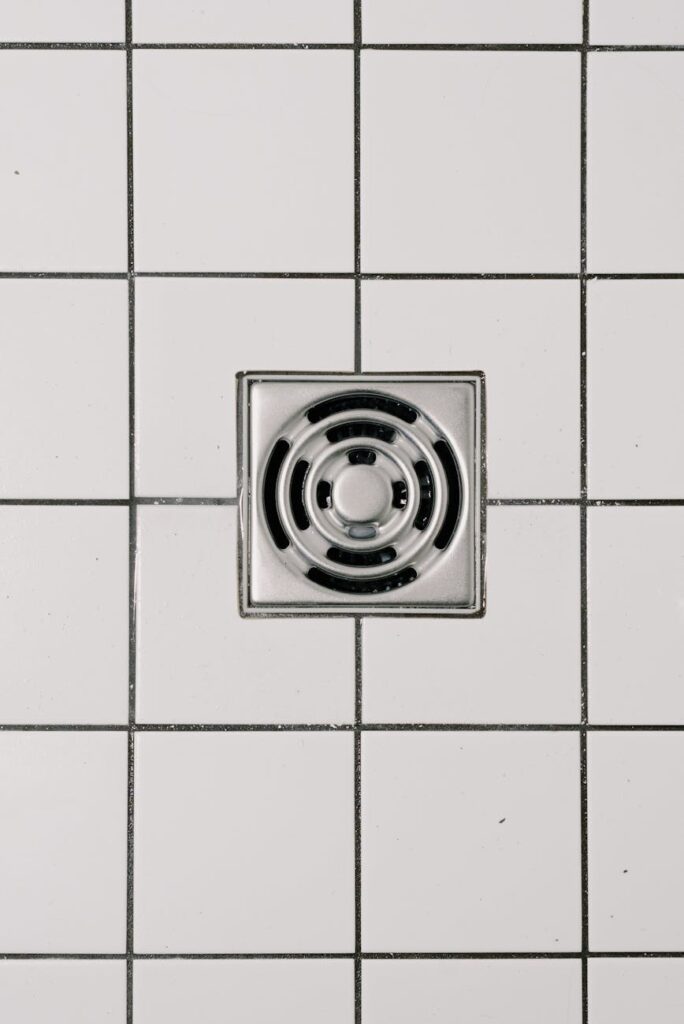
Shower Drain Smells Laundry Guide Part 1
Introduction
If you’ve ever walked into your bathroom only to be greeted by an unpleasant odor wafting from the shower drain, you’re not alone. Many homeowners face this issue, particularly if they frequently wash laundry in the same space. Understanding how laundry can contribute to shower drain smells is essential for effective cleaning and prevention. In this guide, we will explore the causes of these odors, practical solutions, and tips for keeping your shower drain fresh.
What Causes Laundry?
When you wash laundry, especially items like towels, bedding, and sports gear, you may inadvertently introduce residues and bacteria that can linger in your plumbing. Here are some common contributors:
1. Detergent Build-up: Over time, excess detergent can accumulate in your pipes, leading to odors.
2. Hair and Skin Cells: These organic materials can cause decay and unpleasant smells when trapped in the drain.
3. Mold and Mildew: Dampness from laundry can encourage mold growth in both your washing machine and drain.
4. Clogs: Blockages can trap water and debris, leading to stagnant water and foul odors.
Why This Problem Happens
The bathroom environment is often humid, providing the perfect breeding ground for bacteria and mold. When you wash laundry, especially if it includes items prone to odor retention, it can exacerbate existing issues in your shower drain. Here are the primary reasons why this problem occurs:
- Poor Ventilation: Lack of airflow can increase humidity levels and worsen smells.
- Infrequent Cleaning: Neglecting regular cleaning routines for both the washing machine and shower drain can lead to buildup.
- Improper Drainage: If your shower drain isn’t draining properly, it can cause water to stagnate, leading to odors.
- Baking soda
- White vinegar
- Hot water
- A drain snake or plumbing auger
- Cleaning cloths
- Rubber gloves
- Pour about half a cup of baking soda directly into the drain.
- Follow with half a cup of white vinegar. You may notice some fizzing; this reaction helps break down debris.
- Using Too Much Detergent: Excess detergent can lead to buildup, so use the recommended amounts.
- Ignoring Regular Maintenance: Neglecting routine cleaning can exacerbate odor issues.
- Failing to Address Clogs Promptly: If you notice slow drainage, address it immediately to prevent further problems.
- Using Harsh Chemicals: Avoid using harsh chemicals that can damage pipes; stick to natural solutions when possible.
How to Fix Laundry (Step-by-Step)
If you’re dealing with unpleasant smells coming from your shower drain, follow these steps to address the issue effectively:
Step 1: Gather Your Supplies
Step 2: Clear the Area
Remove any items around the shower drain to give you room to work. This includes bath mats, towels, and any other obstructions.
Step 3: Remove Visible Debris
Use your hands (with gloves on) or a drain snake to remove any visible hair or debris from the drain. This will help reduce odor-causing materials.
Step 4: Pour Baking Soda and Vinegar
Step 5: Let it Sit
Allow the mixture to sit for at least 30 minutes. This will give it time to work on any buildup.
Step 6: Flush with Hot Water
After 30 minutes, boil a pot of water and carefully pour it down the drain. This helps clear away any remaining residues.
Step 7: Clean the Shower Drain Cover
If your drain has a cover, clean it with warm, soapy water. This removes any lingering odors from the surface.
Step 8: Check for Blockages
If the smell persists, consider using a drain snake to reach deeper blockages. Insert it into the drain and twist to break up any clogs.
Best Cleaning Methods
Here are several effective cleaning methods to keep your shower drain smelling fresh:
1. Baking Soda and Vinegar: As mentioned in the previous section, this combination is excellent for breaking down residues.
2. Boiling Water: Regularly flushing your drain with boiling water can help dissolve soap scum and other residues.
3. Enzyme Cleaners: These can be particularly effective for organic material buildup. Follow the manufacturer’s instructions for best results.
4. Dish Soap: Pouring a small amount of dish soap down the drain can help cut through grease and grime.
Common Mistakes to Avoid
While tackling shower drain smells, be cautious of these common pitfalls:
Prevention Tips
To keep your shower drain smelling fresh and clean, incorporate these preventive measures into your routine:
1. Regular Cleaning: Clean the drain weekly using the baking soda and vinegar method.
2. Proper Ventilation: Ensure your bathroom is well-ventilated to reduce humidity and moisture.
3. Limit Laundry in the Shower: Try to wash laundry separately from your personal hygiene routines.
4. Use Drain Covers: Use mesh drain covers to catch hair and debris, making it easier to clean.
5. Rinse After Use: Rinse the shower after each use to help prevent buildup.
Frequently Asked Questions
1. How often should I clean my shower drain?
You should clean your shower drain at least once a month to prevent odor buildup.
2. Can I use bleach to clean my shower drain?
While bleach can disinfect, it may not effectively remove organic buildup. It’s best to stick with natural cleaners like baking soda and vinegar.
3. What if the smell persists after cleaning?
If the smell continues, you may have a deeper blockage that requires professional plumbing services.
4. Can I prevent smells from laundry in the shower?
Yes, by washing laundry in a separate area and ensuring proper ventilation in your bathroom, you can reduce odors.
5. Should I cover my shower drain when not in use?
Covering your shower drain can help keep out debris and reduce odors when not in use.
6. Is it normal for shower drains to smell occasionally?
While it’s common for drains to have occasional odors, persistent smells should be addressed immediately to prevent further issues.
By following these steps and tips, you can keep your shower drain smelling fresh and avoid the unpleasant odors that laundry can introduce. Stay proactive with your cleaning routine, and you’ll enjoy a more pleasant bathroom experience.