
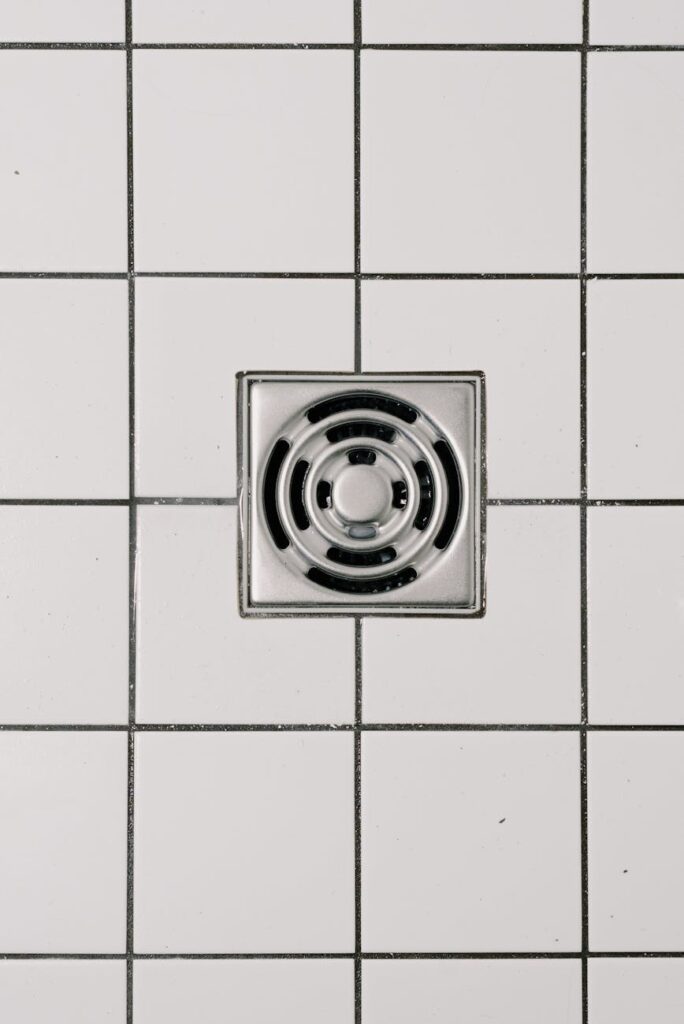
Shower Drain Smells Kitchen Guide Part 1
Introduction
A foul smell emanating from your kitchen shower drain can be more than just an unpleasant nuisance; it can signal underlying cleaning issues. If you’ve noticed that your kitchen shower drain has a persistent odor, you’re not alone. This guide will help you identify the causes, offer effective cleaning methods, and provide prevention tips to keep your drain smelling fresh.
What Causes Kitchen Shower Drain Smells?
There are several reasons why your kitchen shower drain might develop an unpleasant odor. Here are the most common culprits:
1. Food Particles: Small bits of food can get trapped in the drain, leading to decay and odor.
2. Grease Buildup: Cooking oils and grease can solidify in the pipes, creating a breeding ground for bacteria.
3. Mold and Mildew: Moist environments can promote the growth of mold and mildew in the drain.
4. Dry P-Trap: The P-trap is designed to hold water, which prevents sewer gases from entering your home. If it dries out, odors can escape.
5. Clogged Vent Pipes: If the vent pipes become blocked, it can lead to pressure changes that allow smells to escape through the drain.
Why This Problem Happens
Understanding why kitchen shower drain smells occur can help you tackle the problem more effectively. Here are a few contributing factors:
- Improper Disposal of Waste: Disposing of food scraps or cooking oils down the drain can lead to clogs and smells.
- Infrequent Cleaning: Not regularly cleaning your drains can allow buildup to accumulate over time.
- Lack of Maintenance: Over time, the P-trap can dry out, and vent pipes can become obstructed, leading to odors.
- Humidity: In kitchens, especially those without adequate ventilation, humidity can exacerbate mold and mildew growth.
- Baking soda
- White vinegar
- Hot water
- Dish soap
- A drain snake or auger
- A bucket
- Rubber gloves
- Baking Soda and Vinegar: As described above, this is effective for regular maintenance and minor odors.
- Commercial Drain Cleaners: There are many products available, but be cautious; some can be harsh on your pipes. Always follow the instructions.
- Enzymatic Cleaners: These are designed to break down organic matter and can be effective for stubborn clogs.
- Boiling Water: Regularly flushing your drain with boiling water can help dissolve grease and food particles.
How to Fix Kitchen Shower Drain Smells (Step-by-Step)
Step 1: Gather Your Supplies
You’ll need:
Step 2: Remove Visible Debris
1. Clear the Drain: Remove any visible debris from the drain cover or strainer.
2. Inspect the P-Trap: If accessible, check the P-trap for any buildup. Place a bucket underneath to catch any water.
Step 3: Use Baking Soda and Vinegar
1. Pour Baking Soda: Pour 1 cup of baking soda down the drain.
2. Add Vinegar: Follow with 1 cup of white vinegar. You’ll see fizzing; this reaction helps break down buildup.
3. Wait: Let it sit for 30 minutes.
Step 4: Flush with Hot Water
1. Boil Water: Boil a kettle of water.
2. Pour Down Drain: After 30 minutes, pour the hot water down the drain to flush any remaining debris.
Step 5: Snake the Drain (if necessary)
1. Insert the Snake: If smells persist, use a drain snake to dislodge any deeper clogs.
2. Twist and Pull: Move the snake in a twisting motion to break apart any blockages.
Step 6: Clean the Surrounding Area
1. Wipe Down: Clean the area around the drain with a disinfectant cleaner to eliminate any lingering odors.
2. Reassemble: Replace any drain covers and ensure everything is secure.
Best Cleaning Methods
Different methods can be effective depending on the severity of the odor:
Common Mistakes to Avoid
1. Using Too Much Chemical Cleaner: Overusing chemicals can damage your pipes and harm the environment.
2. Ignoring Regular Maintenance: Skipping routine cleaning can lead to larger problems down the line.
3. Disposing of Improper Items: Avoid putting grease, coffee grounds, or fibrous foods down the drain.
4. Neglecting the P-Trap: Always check and maintain the P-trap to ensure it holds water.
Prevention Tips
Preventing kitchen shower drain smells is often easier than fixing them. Here are some proactive measures:
1. Use a Drain Strainer: This can catch food particles and debris before they enter the drain.
2. Flush with Hot Water Regularly: Make it a habit to pour boiling water down the drain weekly.
3. Limit Grease Disposal: Dispose of cooking oils and fats in a container, not down the drain.
4. Clean the Drain: Regularly clean your drain with baking soda and vinegar.
5. Check the P-Trap: Make sure it always has water in it to block odors.
6. Ventilation: Ensure good ventilation in your kitchen to reduce humidity and mold growth.
Frequently Asked Questions
1. How often should I clean my kitchen shower drain?
Aim to clean it at least once a month to prevent odors and buildup.
2. What is the best homemade drain cleaner?
Baking soda and vinegar is a safe and effective homemade cleaner.
3. Can I use bleach to clean my drain?
While bleach can kill bacteria, it’s harsh on pipes and not recommended for regular drain cleaning.
4. Why does my drain smell worse after cleaning?
If the smell persists, there may be deeper clogs or issues in the plumbing system that need professional attention.
5. How can I tell if my P-trap is dry?
If you notice sewer gas odors coming from the drain, the P-trap may be dry and needs water.
6. Are there any natural ways to prevent drain smells?
Yes, flushing with boiling water, using baking soda, and ensuring good kitchen ventilation are all natural methods.
By following these steps and tips, you can effectively tackle and prevent kitchen shower drain smells, keeping your home fresh and clean. Stay proactive with your drain maintenance to enjoy a pleasant kitchen environment.