
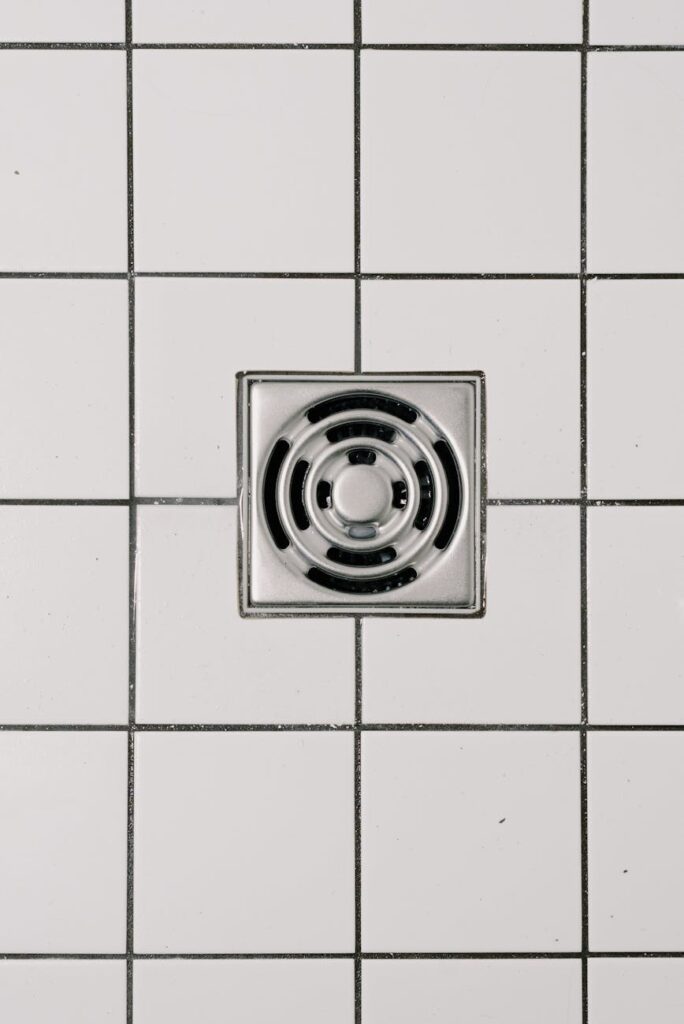
Shower Drain Smell Odours Guide Part 1
Introduction
A fresh, clean shower is essential for a pleasant bathing experience. However, an unpleasant odour coming from your shower drain can quickly ruin that enjoyment. Understanding the causes of these smells and how to eliminate them is crucial for maintaining a hygienic home. This guide will explore the reasons behind shower drain odours, how to fix them, and how to prevent them from returning.
What Causes Odours?
The odours emanating from your shower drain can be attributed to various factors, including:
1. Bacterial Growth: Bacteria thrive in warm, moist environments, making your shower drain a perfect breeding ground.
2. Hair and Soap Residue: Hair, soap scum, and body oils can accumulate in the drain, leading to unpleasant smells as they decompose.
3. Stagnant Water: Water that doesn’t drain properly can become stagnant, leading to foul odours.
4. Trapped Debris: Food particles, dirt, and other debris can get trapped in the pipes, contributing to the smell.
5. Dry P-Trap: The P-trap is a curved pipe that holds water to prevent sewer gases from entering your home. If it dries out, odours can escape.
Why This Problem Happens
Understanding why shower drain odours develop can help you tackle the issue effectively:
- Neglect: Regular cleaning is often overlooked, allowing bacteria and debris to accumulate.
- Improper Drainage: Blockages can cause water to pool, creating a breeding ground for bacteria.
- Seasonal Changes: Dry weather can lead to evaporation in the P-trap, allowing odours to escape.
- Pipe Issues: Old or damaged pipes can allow for leaks and stagnation, exacerbating the problem.
- Baking soda
- White vinegar
- Boiling water
- A plunger
- A drain snake (optional)
- A scrub brush
- Rubber gloves
- Regular Maintenance: Make it a habit to clean your drain monthly using the baking soda and vinegar method.
- Use Enzyme Cleaners: Consider enzyme-based drain cleaners that break down organic matter without harsh chemicals.
- Boiling Water: Pouring boiling water down the drain weekly can help dissolve any build-up before it becomes problematic.
- Essential Oils: Adding a few drops of essential oil to your cleaning routine can help mask odours and leave a pleasant scent.
- Ignoring Regular Maintenance: Neglecting to clean your drains regularly can lead to persistent odours.
- Using Harsh Chemicals: Strong chemical cleaners can damage pipes and worsen odours by breaking down organic material improperly.
- Overlooking Hair Clogs: Failing to remove hair clogs regularly can lead to serious blockages.
- Not Addressing P-Trap Issues: If the P-trap is dry, you can’t stop odours from escaping.
How to Fix Odours (Step-by-Step)
To eliminate shower drain odours, follow these practical steps:
Step 1: Gather Supplies
You’ll need:
Step 2: Clear the Drain
1. Remove any visible debris: Put on rubber gloves and manually remove hair and soap scum from the drain opening.
2. Use a drain snake: If you suspect a blockage deeper in the drain, use a drain snake to clear it.
Step 3: Baking Soda and Vinegar Treatment
1. Pour baking soda: Pour about half a cup of baking soda down the drain.
2. Add vinegar: Follow with half a cup of white vinegar. You should see bubbling as they react.
3. Let it sit: Allow the mixture to sit for 30 minutes to break down the build-up.
Step 4: Flush with Boiling Water
After 30 minutes, carefully pour boiling water down the drain to flush out the baking soda and vinegar solution along with any loosened debris.
Step 5: Check the P-Trap
1. Inspect: If the smell persists, check the P-trap under the sink. Ensure it has enough water in it.
2. Refill if necessary: If it’s dry, run some water through the drain to refill the trap.
Best Cleaning Methods
A few effective cleaning methods to keep shower drains odour-free include:
Common Mistakes to Avoid
When addressing shower drain odours, avoid these pitfalls:
Prevention Tips
To keep your shower drain smelling fresh, follow these preventative measures:
1. Install a Drain Strainer: This will catch hair and debris before they enter the drain.
2. Run Water Regularly: Make sure to run water through all drains periodically, especially if they’re not used often.
3. Clean Up Immediately: After showering, remove any visible hair and wipe down surfaces to prevent build-up.
4. Keep the Bathroom Ventilated: Good ventilation helps reduce moisture and prevents bacterial growth.
5. Use Drain Cleaners: Use natural drain cleaners regularly to prevent organic matter build-up.
Frequently Asked Questions
1. How often should I clean my shower drain?
It’s advisable to clean your shower drain at least once a month to prevent odours and blockages.
2. Can I use bleach to clean my shower drain?
While bleach can kill bacteria, it may not effectively remove build-up and can damage pipes. Stick to natural cleaners like baking soda and vinegar.
3. What if the smell persists after cleaning?
If the smell continues, there may be a deeper blockage or pipe issue. Consider consulting a plumber for further inspection.
4. Is it safe to use boiling water in all types of pipes?
Most metal pipes can handle boiling water, but if you have PVC pipes, it’s best to use hot (not boiling) water to avoid damage.
5. Can I use essential oils to mask odours?
Yes, adding a few drops of essential oils can help mask unpleasant odours and leave your shower smelling fresh.
6. What should I do if my drain is clogged?
If your drain is clogged, try using a plunger or drain snake first. If these methods don’t work, consider calling a plumber to address the issue.
By following these practical steps and tips, you can effectively tackle shower drain odours and maintain a fresher bathroom environment. Stay proactive, and your shower will remain a pleasant oasis.