
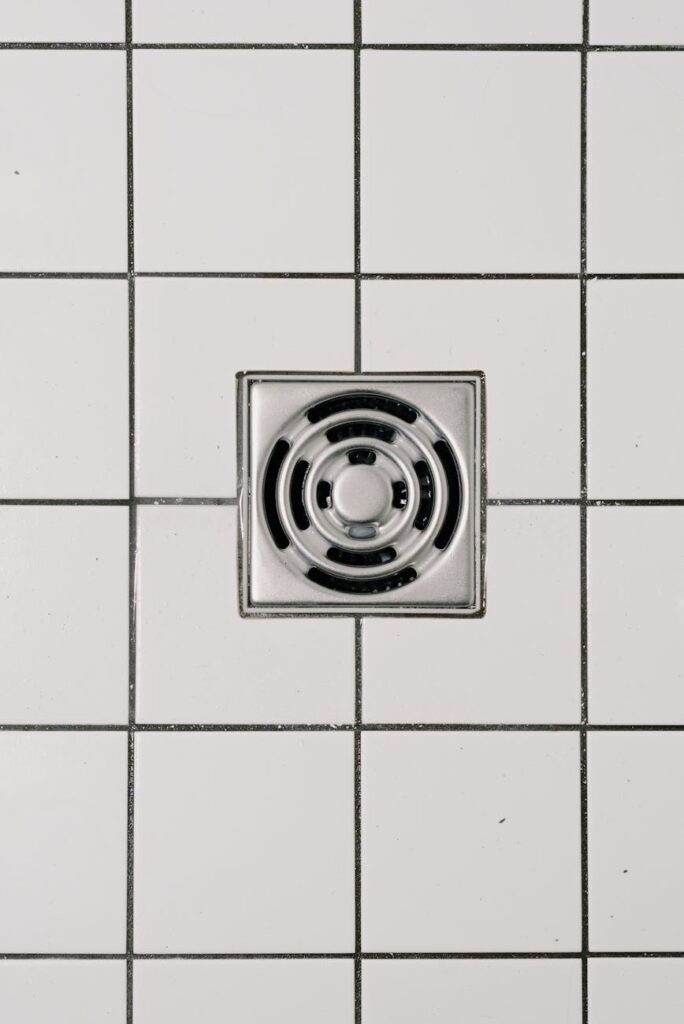
Shower Drain Smell: Mould & Damp Guide Part 1
Introduction
A foul smell emanating from your shower drain can be more than just an annoyance; it often indicates a buildup of mould and dampness. These issues not only affect your home’s air quality but can also lead to more significant problems if left unchecked. This guide will walk you through understanding the causes, fixing the problem, and preventing it from reoccurring.
What Causes Mould & Damp?
Mould and damp thrive in environments that are wet and poorly ventilated. The shower drain is particularly susceptible for several reasons:
1. Standing Water: Water that doesn’t drain properly can stagnate, creating a perfect breeding ground for mould.
2. Organic Matter: Hair, soap scum, and other debris can trap moisture and contribute to mould growth.
3. Humidity: Bathrooms are often humid spaces, especially after a hot shower, which can exacerbate dampness.
4. Poor Ventilation: Insufficient airflow allows moisture to linger, promoting mould growth.
Why This Problem Happens
Understanding why mould and damp occur can help you tackle the issue effectively.
- Clogged Drains: Over time, debris accumulates in drains, leading to blockages. This prevents water from flowing freely, resulting in dampness.
- Condensation: Bathrooms tend to retain heat and moisture. If there’s no fan or window to allow air circulation, condensation builds up, contributing to dampness.
- Old Plumbing: Leaky pipes or outdated plumbing fixtures can lead to persistent dampness, making mould growth more likely.
- Rubber gloves
- A face mask
- A bucket
- A plunger
- Baking soda
- White vinegar
- A scrub brush or sponge
- An old toothbrush
- A spray bottle
- A commercial mould remover (optional)
- Baking Soda: It’s a natural deodorizer and can help absorb moisture.
- Vinegar: This acidic solution kills mould spores and neutralizes odours.
- Essential Oils: Oils like tea tree or lavender can be added to vinegar for additional mould-fighting properties.
- Commercial Mould Removers: There are various products available that specifically target mould and damp issues. Always follow the label’s instructions.
How to Fix Mould & Damp (Step-by-Step)
Here’s a straightforward method to eliminate mould and damp from your shower drain.
Step 1: Gather Your Supplies
You’ll need:
Step 2: Remove Debris
1. Wear Gloves and Mask: Protect yourself from mould spores.
2. Clear the Area: Remove any visible debris from the drain and surrounding area. Use a scrub brush or an old toothbrush to clean around the drain opening.
Step 3: Unclog the Drain
1. Plunge: If you notice standing water, use a plunger to try and clear the blockage. Make sure there’s enough water in the tub to cover the plunger.
2. Baking Soda and Vinegar: Pour half a cup of baking soda down the drain, followed by half a cup of white vinegar. Cover the drain with a cloth to prevent bubbling over. Wait 30 minutes, then flush with hot water.
Step 4: Clean with Mould Remover
1. Apply Cleaner: If mould persists, apply a commercial mould remover according to the manufacturer’s instructions. Alternatively, you can use a mixture of water and vinegar.
2. Scrub: Let it sit for the recommended time and scrub the area with a brush.
Step 5: Rinse and Dry
1. Rinse: Thoroughly rinse the drain and surrounding area with hot water.
2. Dry the Area: Use a towel to dry the area completely to prevent future mould growth.
Best Cleaning Methods
Here are some effective cleaning methods to keep mould and damp at bay:
Natural Cleaning Solutions
Chemical Cleaners
Common Mistakes to Avoid
1. Ignoring Build-Up: Regularly check and clean your shower drain; neglecting it can lead to more severe mould issues.
2. Using the Wrong Products: Avoid bleach for mould cleaning as it can worsen the problem by feeding the mould.
3. Not Ventilating: Failing to ventilate your bathroom after showers encourages dampness.
Prevention Tips
1. Install a Drain Cover: This helps catch hair and debris before it enters the drain.
2. Run the Exhaust Fan: Use the exhaust fan during and after showers to reduce humidity.
3. Wipe Down Surfaces: After each shower, wipe down walls and the shower floor to minimize moisture.
4. Regular Cleaning: Establish a routine cleaning schedule for your bathroom to prevent the build-up of mould.
Frequently Asked Questions (FAQs)
1. How often should I clean my shower drain?
Clean your shower drain at least once a month to prevent build-up and odours.
2. What can I do if my shower drain is always clogged?
Use a drain cover to catch debris and consider using a plumbing snake for stubborn blockages.
3. Can I use bleach to clean mould in my shower?
It’s better to avoid bleach as it can worsen mould growth by providing nutrients. Opt for vinegar or commercial mould removers instead.
4. How can I tell if the mould is harmful?
If you observe black mould, it may indicate a more serious issue. It’s best to consult a professional for assessment.
5. Is it necessary to call a professional for mould problems?
If mould covers a large area or reoccurs frequently, it’s advisable to seek professional help.
6. What should I do if the smell persists after cleaning?
If the odour remains, check for hidden leaks or consult a plumber to investigate further.
By following these steps and tips, you can effectively tackle mould and damp issues in your shower drain, ensuring a fresh and healthy bathroom environment. Stay tuned for Part 2 of this guide, where we’ll delve deeper into advanced solutions and maintenance strategies.