
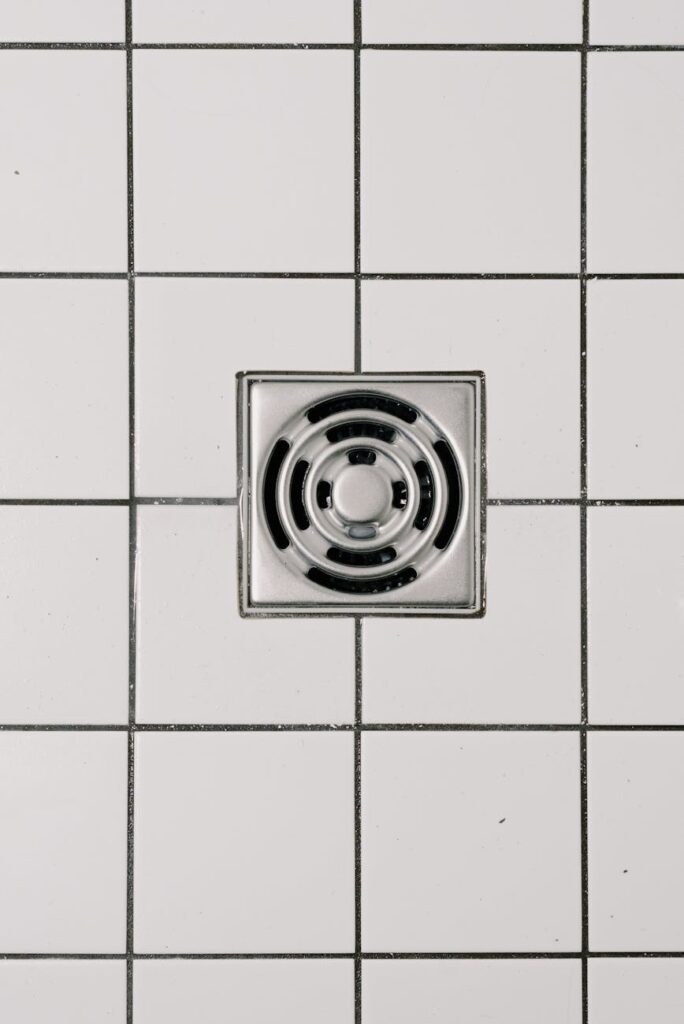
Shower Drain Smell Laundry Guide Part 1
Introduction
If you’ve ever noticed an unpleasant smell coming from your shower drain, you’re not alone. Many homeowners find that the odor can linger, especially after doing laundry. This guide is designed to help you understand the causes of this issue, how to fix it, and how to prevent it from happening again. Let’s dive in!
What Causes Laundry?
Laundry can contribute to shower drain odors through several mechanisms. When washing clothes, especially towels and fabrics that retain moisture, bacteria can develop. If water from the washing machine drains into your shower drain, it can also mix with the existing water and debris, creating a breeding ground for unpleasant smells. Here are the main culprits:
1. Clogged Drain: Hair, soap scum, and lint can build up over time.
2. Standing Water: Water that doesn’t drain properly can become stagnant.
3. Bacteria Growth: Organic matter in drains can lead to bacteria proliferation.
4. Sewer Gases: A dry P-trap can allow sewer gases to seep back into your home.
Why This Problem Happens
Understanding the root causes of shower drain smells can help you effectively target the issue. Here’s why these problems occur:
1. Neglected Maintenance: Regular cleaning is often overlooked.
2. Improper Washing Techniques: Washing heavily soiled items without proper care can transfer dirt and bacteria.
3. Drainage Issues: If your plumbing is poorly designed or clogged, it can exacerbate smells.
4. Humidity: High humidity can lead to mold and mildew growth.
How to Fix Laundry (Step-by-Step)
If you’re dealing with a smelly shower drain, follow these steps to eliminate the odor effectively.
Step 1: Gather Your Supplies
You will need:
- Baking soda
- White vinegar
- Hot water
- A plunger
- A drain snake or a wire hanger
- Rubber gloves
- Old towels or rags
Step 2: Clear the Drain Area
Remove any visible debris from the shower drain. This might include hair, soap, or lint. Use rubber gloves to protect your hands.
Step 3: Use a Drain Snake
If you suspect a clog deeper in the drain, use a drain snake. Insert it into the drain and twist it to grab any lodged debris. Pull it out and dispose of the gunk.
Step 4: Baking Soda and Vinegar Treatment
1. Pour about one cup of baking soda down the drain.
2. Follow it with one cup of white vinegar.
3. Allow the mixture to sit for about 30 minutes. This will help break down any buildup.
Step 5: Flush with Hot Water
After 30 minutes, flush the drain with boiling water. This will help wash away any remaining debris and neutralize odors.
Step 6: Check the P-Trap
If the smell persists, check the P-trap under the sink or shower. Ensure it’s not dry. If it is, pour some water down the drain to refill it.
Step 7: Repeat as Necessary
If the odor remains, you may need to repeat these steps or consider a professional plumber.
Best Cleaning Methods
To keep your shower drain smelling fresh, consider using these cleaning methods regularly:
1. Routine Baking Soda and Vinegar: Monthly treatments can keep the drain clear and odor-free.
2. Hot Water Flush: After each laundry session, running hot water through the drain helps wash away residues.
3. Commercial Drain Cleaners: Use eco-friendly options to avoid harsh chemicals that can harm your plumbing.
Common Mistakes to Avoid
1. Ignoring Regular Maintenance: Failing to clean drains routinely can lead to serious clogs and odors.
2. Washing Improperly: Overloading your washing machine can lead to water backing up into your drains.
3. Using Harsh Chemicals: Some chemical cleaners can damage pipes and create more issues.
4. Neglecting Standing Water: Allowing water to pool can lead to bacteria buildup.
Prevention Tips
To prevent shower drain smells from recurring, follow these tips:
1. Regular Cleaning: Schedule monthly cleanings for your drains.
2. Proper Laundry Care: Wash towels and heavily soiled items separately to minimize odor transfer.
3. Use Drain Covers: Prevent hair and lint from entering the drain.
4. Check for Leaks: Ensure your plumbing is in good condition to prevent moisture buildup.
Frequently Asked Questions
1. How often should I clean my shower drain?
Aim to clean your shower drain at least once a month to prevent odors and clogs.
2. Can I use bleach to clean my drain?
While bleach can kill bacteria, it can also damage your plumbing. Opt for baking soda and vinegar instead.
3. What should I do if the smell persists after cleaning?
If the odor continues, a deeper plumbing issue may exist. Consider calling a professional plumber.
4. Does humidity affect shower drain smells?
Yes, high humidity can promote mold and bacteria growth in drains, leading to unpleasant odors.
5. Can using fabric softener contribute to shower drain smells?
Yes, residue from fabric softeners can build up in drains, contributing to odors. Use them sparingly.
6. What’s the best way to prevent odors after laundry?
Flush your drains with hot water after each laundry session to help clear any residues.
By following this guide, you can effectively tackle the issue of shower drain odors related to laundry. With regular maintenance and the right cleaning techniques, you can keep your home smelling fresh and inviting.