
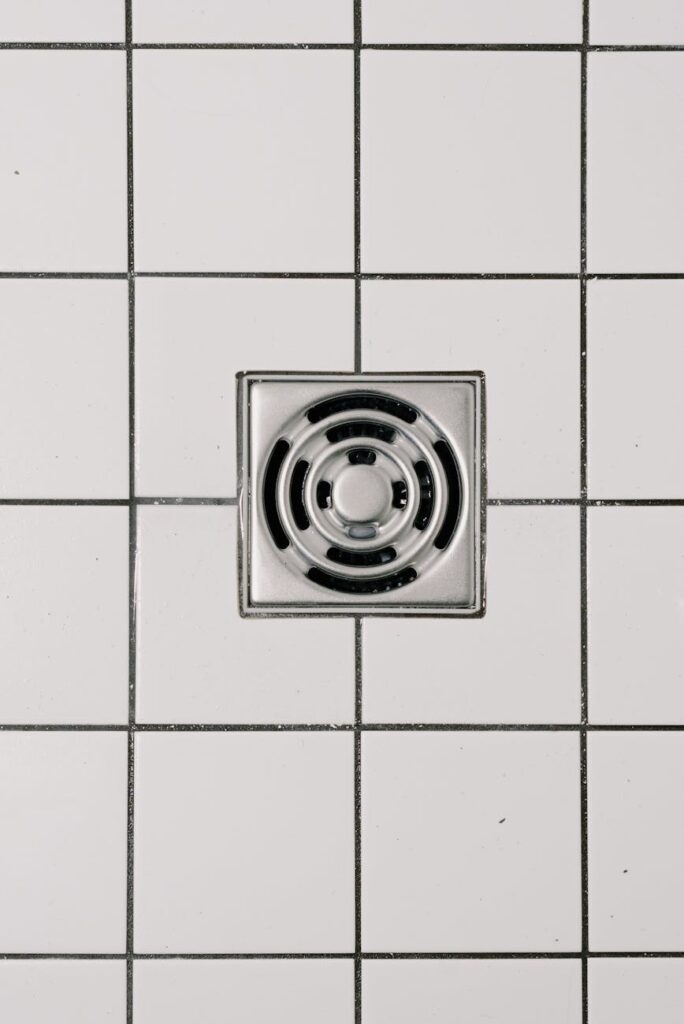
Shower Drain Smell Kitchen Guide Part 1
Introduction
A smelly shower drain in the kitchen can be an unpleasant surprise. Not only does it create an uninviting atmosphere, but it can also indicate underlying issues that may worsen if not addressed. This guide will help you understand the causes of kitchen shower drain odors, how to fix them, and ways to prevent future issues.
What Causes Kitchen Shower Drain Smell?
Several factors contribute to unpleasant odors emanating from kitchen shower drains. Understanding these causes will help you tackle the problem more effectively.
1. Food Particles: Tiny food scraps can get trapped in the drain, leading to decay and bad smells.
2. Grease Buildup: Cooking oils and fats can accumulate in the pipes and create a rancid odor.
3. Mold and Mildew: Moisture in the kitchen, combined with organic materials, can lead to mold growth.
4. Dry P-Trap: If the trap under the sink dries out, sewer gases may escape into your kitchen.
5. Clogged Pipes: A blockage can create pressure and odors, especially if it’s near the shower drain.
Why This Problem Happens
Understanding why these smells occur can help you prevent them in the future.
- Neglected Cleaning: Regular cleaning is essential for maintaining a fresh-smelling kitchen. If food particles and grease aren’t removed, they can lead to odors.
- Improper Disposal: Disposing of fats, oils, and other materials in the sink can lead to buildup over time.
- Poor Ventilation: A lack of airflow can trap moisture and odors in the kitchen.
- Infrequent Use: If the kitchen shower isn’t used often, the P-trap can dry out, allowing odors to escape.
- Baking soda
- White vinegar
- Hot water
- Dish soap
- Plunger (if necessary)
- Cleaning brush or pipe cleaner
How to Fix Kitchen Shower Drain Smell (Step-by-Step)
Follow these steps to tackle the odor problem effectively:
Step 1: Gather Your Supplies
Step 2: Clear Visible Debris
Remove any visible debris from the drain. Use a pair of gloves to pull out food particles or hair.
Step 3: Flush with Hot Water
Boil several cups of water and carefully pour it down the drain. This can help dissolve grease and food particles.
Step 4: Baking Soda and Vinegar Treatment
1. Pour 1 cup of baking soda into the drain.
2. Follow with 1 cup of white vinegar. You’ll notice fizzing; this indicates that it’s working.
3. Let it sit for 30 minutes.
4. Flush with hot water again to clear out the debris.
Step 5: Clean the P-Trap
If the smell persists, you may need to clean the P-trap:
1. Locate the P-trap under the sink.
2. Place a bucket underneath to catch any water.
3. Unscrew the trap and clean it using a brush.
4. Reassemble the P-trap and test for odors.
Step 6: Use a Plunger (If Necessary)
If you still experience smells, there may be a clog further down the line. Use a plunger to attempt to dislodge it.
Best Cleaning Methods
When it comes to cleaning your kitchen shower drain, consider the following methods:
1. Baking Soda and Vinegar: This natural method is effective at breaking down buildup and neutralizing odors.
2. Dish Soap Solution: Mixing dish soap with hot water can help dissolve grease buildup.
3. Commercial Drain Cleaner: If natural methods fail, a commercial drain cleaner can be effective but should be used sparingly due to harsh chemicals.
4. Steam Cleaning: Using a steam cleaner can sanitize and remove buildup without chemicals.
Common Mistakes to Avoid
Avoid these pitfalls to maintain a fresh-smelling kitchen:
1. Ignoring Regular Maintenance: Clean your drains regularly to prevent buildup.
2. Pouring Grease Down the Drain: Always dispose of cooking oils and fats in the trash.
3. Neglecting the P-Trap: Ensure the P-trap remains filled with water to block sewer gases.
4. Using Excessive Chemicals: Overuse of harsh chemicals can damage your plumbing.
5. Not Ventilating: Ensure your kitchen has proper ventilation to minimize moisture buildup.
Prevention Tips
Taking preventive measures can significantly reduce the chances of experiencing a smelly kitchen shower drain:
1. Regular Cleaning: Schedule regular drain cleaning using baking soda and vinegar.
2. Use Drain Screens: Install screens over the drain to catch debris before it goes down.
3. Dispose of Waste Properly: Always throw away food scraps and grease rather than rinsing them down the drain.
4. Check the P-Trap: Periodically check the P-trap to ensure it’s functioning properly.
5. Improve Ventilation: Use exhaust fans or open windows to reduce moisture in the kitchen.
Frequently Asked Questions
1. How often should I clean my kitchen shower drain?
Aim to clean your drain at least once a month to prevent buildup and odors.
2. Can I use bleach to clean my drain?
Bleach can be harsh on plumbing and may not effectively address odors. Stick to natural methods or commercial cleaners designed for drains.
3. What if the smell persists after cleaning?
If odors continue, consider calling a plumber to check for deeper clogs or issues in your plumbing system.
4. Is it safe to use commercial drain cleaners?
While effective, commercial drain cleaners can be harsh on your plumbing. Use them sparingly and follow the manufacturer’s instructions.
5. Can I prevent my P-trap from drying out?
If you rarely use the kitchen shower, consider running water through it weekly to keep the P-trap filled.
6. Are there natural alternatives to commercial cleaners?
Yes, baking soda and vinegar are excellent natural alternatives for cleaning and deodorizing your drains.
By following this guide, you can effectively address and prevent shower drain smells in your kitchen. Regular maintenance and proper disposal practices are key to keeping your kitchen fresh and inviting.