
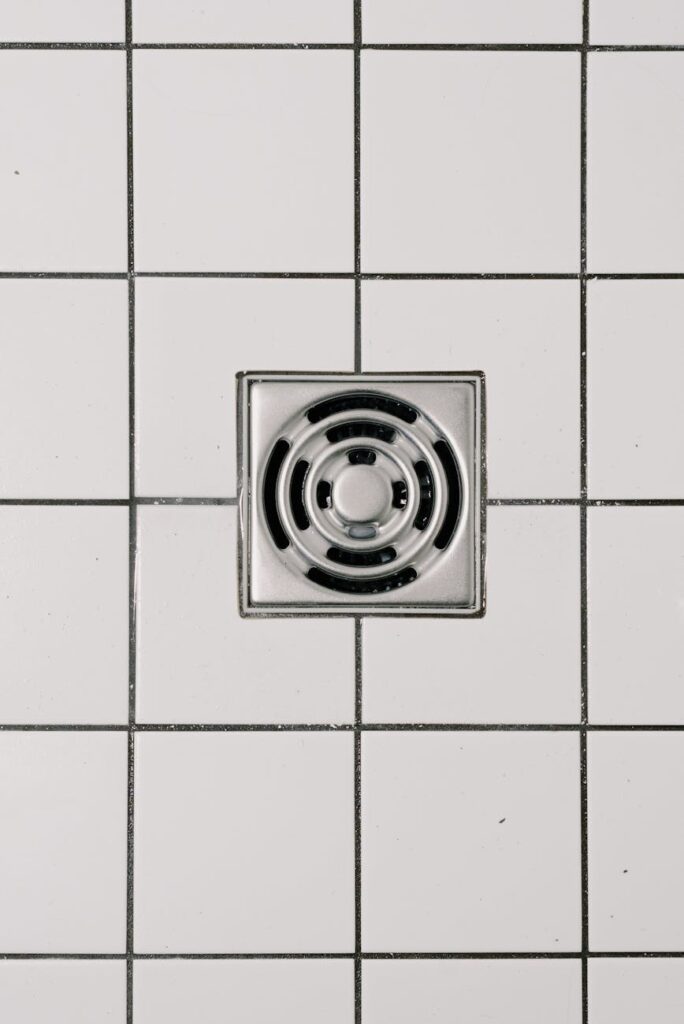
Shower Drain Odors Stains Guide Part 1
Introduction
Shower drain odors can be an unpleasant surprise when you step into your bathroom. Not only do they create an uninviting atmosphere, but they can also indicate underlying issues, such as stains or buildup in your plumbing. In this guide, we’ll explore the causes of these stains, why they occur, and how to effectively eliminate them. You’ll also find tips for prevention and answers to common questions related to shower drain odors.
What Causes Stains?
Stains in your shower drain can stem from a variety of sources. Understanding these can help you target your cleaning efforts more effectively. Here are the main culprits:
1. Soap Scum: Soap builds up over time, especially if you use bar soap. This residue can cling to the sides of your drain and create stains.
2. Hard Water Deposits: If you have hard water, minerals like calcium and magnesium can accumulate and leave behind white or yellowish stains.
3. Mold and Mildew: These fungi thrive in damp environments and can stain drains and surrounding areas, leading to unpleasant odors.
4. Hair and Organic Matter: Hair, skin cells, and other organic debris can rot in your drain, causing not only stains but also odors.
5. Bacteria: Bacteria thrive in warm, moist environments, contributing to both odors and staining.
Why This Problem Happens
Stains in your shower drain often occur due to a combination of moisture and the organic materials that flow down the drain. Over time, these materials can accumulate and create a breeding ground for bacteria and mold. Factors that exacerbate this issue include:
- Infrequent Cleaning: Regular maintenance is vital. The longer you let stains and buildup sit, the more challenging they become to remove.
- Poor Drainage: If your shower drain isn’t functioning properly, standing water can lead to increased staining and odors.
- High Humidity: Bathrooms tend to be humid, which can speed up the growth of mold and mildew.
- Using the Wrong Products: Some cleaning products can leave residues that contribute to buildup rather than solve the problem.
- Baking soda
- White vinegar
- A scrub brush or old toothbrush
- Hot water
- Rubber gloves
- A bucket
How to Fix Stains (Step-by-Step)
To effectively tackle stains in your shower drain, follow these straightforward steps:
Step 1: Gather Your Supplies
You will need:
Step 2: Clear the Area
Remove any visible debris from around the drain. This includes hair, soap residue, or any other organic material. Use a pair of gloves for hygiene.
Step 3: Apply Baking Soda
Pour about a cup of baking soda directly into the drain. This will help to absorb odors and begin breaking down any buildup.
Step 4: Add Vinegar
Follow the baking soda with a cup of white vinegar. You’ll notice fizzing; this reaction helps to lift stains and dissolve grime.
Step 5: Let It Sit
Allow the mixture to sit for at least 30 minutes. This gives it time to penetrate the stains and buildup.
Step 6: Flush with Hot Water
After the waiting period, pour hot water down the drain to flush out the mixture and any loosened debris.
Step 7: Scrub the Drain
Using your scrub brush or old toothbrush, scrub the drain area to remove any remaining stains. Rinse again with hot water.
Step 8: Final Rinse
For a clean finish, flush the drain again with hot water. This will help remove any lingering residues.
Best Cleaning Methods
While the baking soda and vinegar method is effective, other approaches can be considered based on the severity of the stains:
1. Commercial Drain Cleaners: If natural methods fail, consider using a commercial drain cleaner. Always follow the instructions and safety precautions on the label.
2. Enzymatic Cleaners: These products use enzymes to break down organic material and can be very effective for shower drains.
3. Steam Cleaning: For tough stains, a steam cleaner can sanitize and remove buildup without harsh chemicals.
Common Mistakes to Avoid
1. Neglecting Regular Maintenance: Failing to clean your drain regularly can lead to severe buildup and tougher stains.
2. Using Harsh Chemicals: Overusing strong chemicals can damage your plumbing and create more issues than they solve.
3. Ignoring Drainage Problems: If water isn’t draining properly, address the issue immediately. It may require professional help.
4. Not Scrubbing Enough: Simply pouring cleaning solutions isn’t enough; scrubbing is essential for removing stains.
5. Rinsing with Cold Water: Cold water can solidify grease and debris, making it harder to clean. Always use hot water for rinsing.
Prevention Tips
Preventing shower drain odors and stains is easier than cleaning them after they appear. Here are some practical tips:
1. Regular Cleaning: Clean your shower drain at least once a month to prevent buildup.
2. Install a Drain Cover: A drain cover can catch hair and debris before it goes down the drain.
3. Rinse with Hot Water: After each shower, run hot water down the drain to help dissolve any soap scum or residue.
4. Use Liquid Soap: Consider switching from bar soap to liquid soap, which produces less residue.
5. Keep the Bathroom Dry: Use a fan or dehumidifier to reduce moisture in the bathroom, minimizing mold and mildew growth.
Frequently Asked Questions
1. How often should I clean my shower drain?
It’s best to clean your shower drain at least once a month to prevent buildup.
2. Can I use bleach to clean my shower drain?
While bleach can kill mold and bacteria, it may not effectively remove stains. Additionally, it can damage some plumbing materials.
3. What if the odors persist after cleaning?
If odors continue, it may indicate a deeper plumbing issue. Consider consulting a plumber.
4. How can I prevent hair from clogging the drain?
Using a drain cover can help catch hair and prevent it from going down the drain.
5. Are there natural alternatives to commercial cleaners?
Yes, baking soda and vinegar are effective, natural alternatives for cleaning drains and eliminating odors.
6. Can hard water stains be removed easily?
Hard water stains can be stubborn but can often be removed with vinegar or commercial descalers specifically designed for mineral buildup.
By following the steps and tips outlined in this guide, you’ll be well on your way to maintaining a clean, odor-free shower drain. Stay tuned for Part 2, where we’ll explore more advanced cleaning techniques and solutions for persistent odors.