
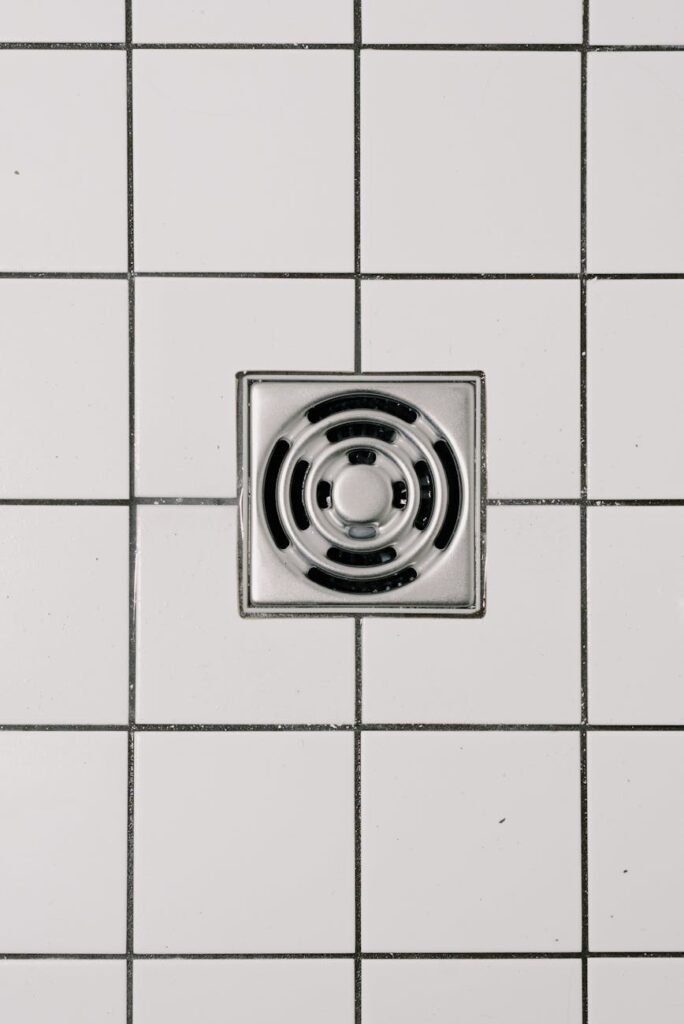
Shower Drain Odours Guide Part 1
Introduction
Shower drain odours can be a persistent nuisance in any home. Not only can they be unpleasant, but they can also indicate underlying plumbing issues. This guide will help you understand the causes of these odours, how to fix them, and how to prevent them from returning.
What Causes Odours?
Several factors contribute to unpleasant smells emanating from your shower drain. Here are some of the most common culprits:
1. Trapped Hair and Soap Scum: Over time, hair and soap residue can accumulate in the drain, creating a breeding ground for bacteria that emit foul smells.
2. Dry P-Trap: The P-trap is a plumbing component that holds water to block sewer gases. If the water evaporates, unpleasant odours can escape.
3. Mold and Mildew: In humid environments, mold and mildew can develop in and around the drain, resulting in musty smells.
4. Bacteria Buildup: Bacteria thrive in warm, moist environments, making your shower drain an ideal location for growth.
5. Sewer Backup: In severe cases, a sewer backup can cause strong, unpleasant odours to permeate your home.
Why This Problem Happens
Understanding why shower drain odours occur can help you tackle the problem more effectively:
- Neglected Maintenance: Regular cleaning is often overlooked, allowing for the buildup of debris.
- Low Water Usage: If you don’t use the shower frequently, the water in the P-trap can evaporate, allowing odours to escape.
- Poor Ventilation: Bathrooms that lack proper ventilation can become breeding grounds for mold and mildew.
- Old Plumbing: Deteriorating pipes can contribute to a range of issues, including odour problems.
- Rubber gloves
- A bucket
- A flashlight
- A drain snake or a wire hanger
- Baking soda
- White vinegar
- Boiling water
- A scrub brush
- Baking Soda and Vinegar: This classic combination is excellent for breaking down buildup without harsh chemicals.
- Boiling Water: Regularly flushing your drain with boiling water can help prevent clogs.
- Enzyme Cleaners: These break down organic material and can be effective for regular maintenance.
- Commercial Drain Cleaners: Use them sparingly and only as a last resort, as they can damage pipes.
How to Fix Odours (Step-by-Step)
If you’re dealing with a smelly shower drain, follow these actionable steps to eliminate the odour:
Step 1: Gather Your Supplies
You’ll need:
Step 2: Clean the Drain Cover
1. Remove the drain cover using a screwdriver.
2. Clean the cover with hot, soapy water to remove any grime.
3. Set it aside to dry.
Step 3: Clear Debris
1. Use a flashlight to inspect the drain for hair and debris.
2. Use a drain snake or a wire hanger to pull out any visible clogs.
3. If necessary, use your fingers (wear gloves) to remove clumps of hair.
Step 4: Flush the Drain
1. Boil a kettle of water.
2. Pour the boiling water down the drain to dissolve soap scum and other residues.
Step 5: Use Baking Soda and Vinegar
1. Pour about half a cup of baking soda down the drain.
2. Follow it with half a cup of white vinegar.
3. Allow the mixture to fizz and sit for 30 minutes.
4. Rinse with hot water.
Step 6: Scrub the Drain
1. Use a scrub brush to clean the inside of the drain if possible.
2. Pay extra attention to the edges where debris tends to accumulate.
Step 7: Replace the Drain Cover
1. Once everything is clean and dry, replace the drain cover securely.
Best Cleaning Methods
Common Mistakes to Avoid
1. Ignoring Maintenance: Skipping regular cleaning can lead to worse odours and plumbing issues.
2. Using Harsh Chemicals: Overuse of chemical cleaners can damage your pipes and the environment.
3. Neglecting the P-Trap: Forgetting to check the P-trap can lead to dry traps and odours.
4. Overlooking Ventilation: Poor ventilation exacerbates humidity, which can lead to mold and mildew growth.
Prevention Tips
1. Regular Cleaning: Clean your shower drain at least once a month to prevent buildup.
2. Use a Drain Cover: A mesh drain cover can catch hair and debris before it enters the drain.
3. Run Water Frequently: If you don’t use your shower often, run water for a minute or two to keep the P-trap filled.
4. Improve Ventilation: Use an exhaust fan or open a window to reduce humidity and prevent mold growth.
Frequently Asked Questions
1. How often should I clean my shower drain?
Aim to clean your shower drain at least once a month. More frequent cleaning may be necessary if you have long hair or use a lot of soap.
2. What can I do to keep my shower drain from smelling?
Regular maintenance, proper ventilation, and using a drain cover can significantly reduce odours.
3. Is there a natural way to clean my shower drain?
Yes! Baking soda and vinegar is a natural and effective cleaning method. You can also use boiling water.
4. What should I do if the smell persists after cleaning?
If the smell continues, you may have a plumbing issue that requires a professional inspection.
5. Can I use bleach to clean my shower drain?
While bleach can kill bacteria, it can also damage your pipes over time. Use it sparingly and in well-ventilated areas.
6. Why does my shower drain smell worse after cleaning?
Sometimes, cleaning can disturb trapped debris, temporarily releasing odours. Ensure thorough cleaning, and consider using an enzyme cleaner to help break down organic material.
By following this guide, you can tackle shower drain odours effectively and keep your bathroom smelling fresh. Regular maintenance is key to preventing future issues, so make it a part of your cleaning routine!