
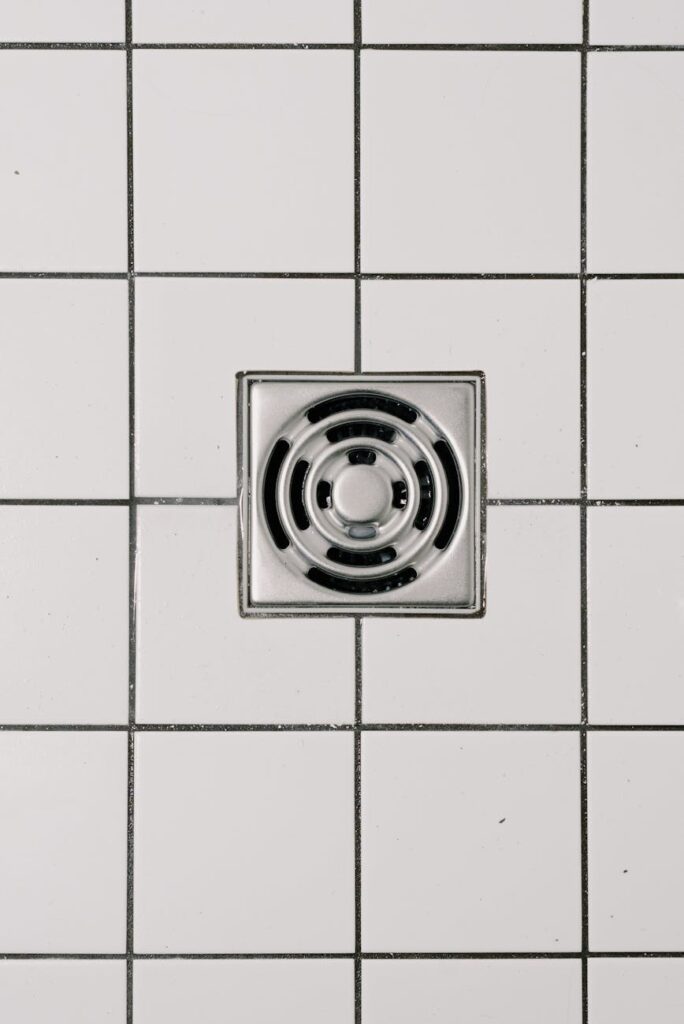
Shower Drain Odors Mould & Damp Guide Part 1
Introduction
Mould and dampness in shower drains are common issues that can lead to unpleasant odors and unsightly growth. Not only can these problems be a nuisance, but they can also pose risks to your home’s cleanliness and hygiene. This guide will provide you with actionable steps to identify, fix, and prevent mould and dampness in your shower drains, ensuring a fresher and healthier bathroom environment.
What Causes Mould & Damp?
Mould thrives in damp and humid environments, making your shower drain an ideal breeding ground. The primary causes of mould and damp in shower drains include:
- Standing Water: Water that doesn’t drain properly can create a stagnant environment for mould growth.
- Organic Matter: Hair, soap scum, and other organic material can accumulate in drains, providing nutrients for mould.
- High Humidity: Bathrooms often have higher humidity levels, especially after showers, which can exacerbate mould growth.
- Poor Ventilation: Lack of air circulation can trap moisture, promoting dampness and mould.
- Drain Blockages: When hair, soap, and debris build up in the drain, they can prevent water from flowing freely, leading to standing water.
- Temperature Fluctuations: The combination of hot shower steam and cooler bathroom air creates condensation, which can accumulate in drains.
- Neglected Cleaning: Infrequent cleaning allows mould spores to settle and proliferate.
- Old or Damaged Pipes: Leaks or cracks in plumbing can introduce extra moisture, compounding the issue.
- Rubber gloves
- A bucket
- A drain snake or plunger
- Vinegar
- Baking soda
- A scrub brush or old toothbrush
- A spray bottle
- Bleach (optional, for severe mould)
- Pour 1/2 cup of baking soda down the drain.
- Follow with 1 cup of vinegar.
- Allow it to fizz and sit for 30 minutes.
- Rinse with hot water.
- Use a scrub brush or toothbrush to clean the interior of the drain.
- Focus on areas where you see mould or buildup.
- Mix one part bleach with ten parts water in a spray bottle.
- Spray the affected area and let it sit for 10-15 minutes.
- Rinse thoroughly with water.
- Regular Cleaning: Clean your shower drain weekly using baking soda and vinegar.
- Boiling Water: Pour boiling water down the drain once a week to help clear away soap scum and grease.
- Commercial Drain Cleaners: Use these sparingly and as a last resort. Always follow the manufacturer’s instructions.
Why This Problem Happens
Understanding why mould and damp occur is crucial for effective cleaning. Here are the main reasons:
How to Fix Mould & Damp (Step-by-Step)
Step 1: Gather Your Supplies
You’ll need:
Step 2: Clear the Drain
1. Remove Debris: Use a drain snake or plunger to remove hair and other debris from the drain.
2. Check for Blockages: Pour water down the drain to see if it flows freely. If it doesn’t, re-snake the drain.
Step 3: Apply Cleaning Solutions
1. Baking Soda and Vinegar:
2. Scrub the Drain:
Step 4: Disinfect (if necessary)
If mould persists, you may need to disinfect:
Step 5: Dry the Area
After cleaning, ensure the area is dry. Wipe down the drain and surrounding surfaces with a towel to remove moisture.
Best Cleaning Methods
To keep your shower drain clean and odour-free, consider these methods:
Common Mistakes to Avoid
1. Ignoring Regular Maintenance: Failing to clean your shower drain regularly allows mould and damp to accumulate.
2. Using Harsh Chemicals: Overusing bleach or other harsh chemicals can damage your plumbing and may not effectively eliminate mould.
3. Not Addressing Blockages Promptly: Delaying action when you notice a blockage can worsen the problem.
4. Neglecting Ventilation: Not using exhaust fans or opening windows can trap moisture in your bathroom.
Prevention Tips
1. Ventilate Your Bathroom: Use an exhaust fan or open windows during and after showers to reduce humidity.
2. Wipe Down Surfaces: After each shower, wipe down tiles and the shower curtain to prevent moisture buildup.
3. Use a Drain Cover: Install a drain cover to catch hair and debris, reducing the chance of blockages.
4. Regular Cleaning Routine: Establish a weekly cleaning routine for your shower and drain.
Frequently Asked Questions
1. How often should I clean my shower drain?
Aim to clean your shower drain at least once a week to prevent mould and buildup.
2. What is the best way to remove mould from my shower drain?
Using a mixture of baking soda and vinegar is effective, followed by thorough scrubbing and rinsing.
3. Can I prevent mould without using chemicals?
Yes, regular cleaning with natural ingredients like baking soda and vinegar, along with proper ventilation, can help prevent mould.
4. What should I do if my shower drain is still clogged after cleaning?
If the blockage persists, consider using a professional drain service or a more powerful drain cleaner.
5. Does humidity affect mould growth in shower drains?
Yes, high humidity levels create an ideal environment for mould growth, making ventilation crucial.
6. Is it safe to use bleach in my shower drain?
While bleach can be effective for disinfecting, it should be used sparingly and with caution, as it can damage plumbing over time.
By following this guide, you can take actionable steps to tackle mould and dampness in your shower drains, creating a fresher and healthier bathroom space. Stay tuned for Part 2, where we’ll delve deeper into advanced cleaning techniques and solutions.