
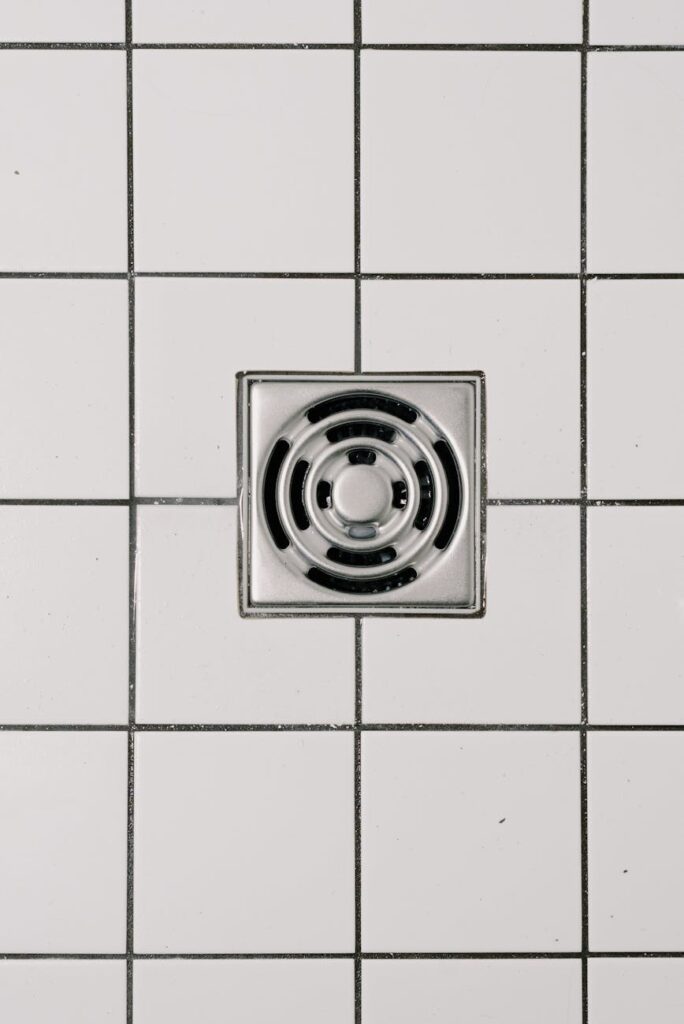
Shower Drain Odors Kitchen Guide Part 1
Introduction
If you’ve noticed unpleasant smells wafting from your kitchen sink or shower drain, you’re not alone. Shower drain odors can be a common issue in homes, and they can be both frustrating and embarrassing. In this guide, we’ll explore the causes of these odors, how to fix the problem effectively, and offer tips for preventing them in the future.
What Causes Kitchen Shower Drain Odors?
Several factors can contribute to unwanted odors emanating from your kitchen shower drain:
1. Food Particles: Small bits of food can get trapped in the drain, leading to decay and foul smells.
2. Grease Buildup: Cooking oils and fats can accumulate, creating a sticky residue that traps odors.
3. Clogged P-Trap: The P-trap is designed to hold water, preventing sewer gases from escaping. If it’s clogged or dry, odors can seep into your home.
4. Biofilm Growth: Bacteria and mold can thrive in wet areas, creating an unpleasant smell.
5. Sewer Line Issues: In some cases, the problem may stem from deeper plumbing issues, such as a broken or clogged sewer line.
Why This Problem Happens
Understanding why shower drain odors occur can help you tackle the issue more effectively. Here are some common reasons:
- Neglected Cleaning: Regular cleaning is essential. Over time, food particles and grease accumulate, leading to odors.
- Improper Drain Use: Using your kitchen sink as a disposal for food scraps can exacerbate the problem.
- Lack of Water: If the P-trap dries out (often happens in seldom-used sinks), it can’t do its job of blocking odors.
- Faulty Venting: If the drainage system is not vented properly, it can create negative pressure, sucking odors back into your home.
- Baking soda
- White vinegar
- Hot water
- Dish soap
- Plumber’s snake (optional)
- Rubber gloves
- Ignoring Regular Maintenance: Neglecting to clean your drains regularly will lead to persistent odors.
- Pouring Grease Down the Drain: Always dispose of cooking grease in the trash instead.
- Using Harsh Chemicals: Chemical cleaners can damage your plumbing over time. Opt for natural methods when possible.
- Neglecting Drain Covers: Not using drain covers can allow debris to enter the drain, leading to clogs.
How to Fix Kitchen Shower Drain Odors (Step-by-Step)
If you’re dealing with shower drain odors in your kitchen, follow these steps to eliminate the problem:
Step 1: Gather Your Supplies
You’ll need:
Step 2: Remove Visible Debris
Start by removing the drain cover and clearing any visible debris. Use a flashlight to inspect the drain and remove any clogs.
Step 3: Flush with Hot Water
Boil a pot of water and carefully pour it down the drain. This helps to dissolve grease and dislodge any food particles.
Step 4: Use Baking Soda and Vinegar
1. Pour 1/2 cup of baking soda down the drain.
2. Follow with 1/2 cup of white vinegar. You’ll see fizzing, which means it’s working.
3. Let it sit for 30 minutes to break down buildup.
Step 5: Rinse with Hot Water
After 30 minutes, flush the drain with another pot of boiling water to wash away any remaining debris.
Step 6: Clean the P-Trap
If odors persist, consider inspecting and cleaning the P-trap. Remove it carefully, clean it thoroughly, and reassemble it.
Step 7: Use a Plumber’s Snake (if necessary)
If you suspect a deeper clog, use a plumber’s snake to clear the drain. Insert it into the drain and twist until you feel resistance, then pull back to remove the blockage.
Best Cleaning Methods
Certain methods are particularly effective for tackling kitchen shower drain odors:
1. Baking Soda and Vinegar: This natural method is great for breaking down grease and food particles.
2. Dish Soap and Hot Water: A mixture of dish soap and hot water can help dissolve grease.
3. Enzyme Cleaners: These cleaners use enzymes to break down organic matter. Follow the manufacturer’s instructions for best results.
Common Mistakes to Avoid
To effectively deal with shower drain odors, avoid these common pitfalls:
Prevention Tips
Preventing shower drain odors is easier than dealing with them after they occur. Here are some effective strategies:
1. Regular Cleaning: Clean your drains at least once a month using baking soda and vinegar.
2. Use Drain Covers: Install mesh screens or drain covers to catch food particles and debris.
3. Dispose of Grease Properly: Always dispose of cooking grease in a container, not down the drain.
4. Run Hot Water Regularly: Running hot water down the drain helps keep it clear and reduces odors.
5. Check for Leaks: Regularly inspect plumbing for leaks, as they can contribute to odors.
Frequently Asked Questions
1. How often should I clean my kitchen shower drain?
Aim to clean it at least once a month to prevent buildup.
2. What can I do if the odor persists after cleaning?
If the smell continues, it may be time to call a plumber to inspect for deeper issues.
3. Can I use bleach to clean my drain?
While bleach can kill bacteria, it can also damage your plumbing. Opt for natural methods instead.
4. How can I keep my P-trap from drying out?
Run water down the drain regularly, especially for sinks that are not frequently used.
5. Are enzyme cleaners safe for all plumbing types?
Most enzyme cleaners are safe but check the product label to ensure compatibility with your plumbing.
6. What if I have a persistent clog?
If you’re unable to clear a clog using a plumber’s snake, consider contacting a professional plumber for assistance.
Conclusion
Kitchen shower drain odors can be a nuisance, but with the right approach, they are manageable. By understanding the causes, taking preventive measures, and following the step-by-step cleaning guide provided, you can keep your kitchen smelling fresh and clean. Remember, regular maintenance is key to avoiding future problems.