
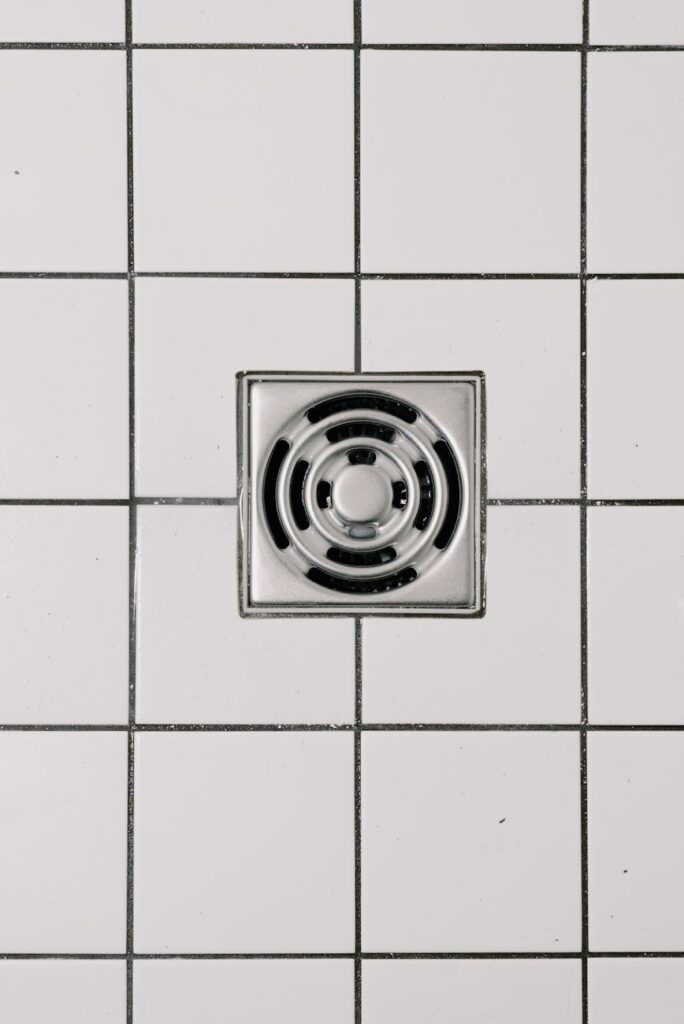
Shower Drain Odour Guide Part 1
Introduction
A fresh-smelling bathroom is essential for a pleasant home environment. However, shower drain odours can quickly turn a relaxing shower into an unpleasant experience. Understanding the causes and solutions to these odours can help you maintain a clean and inviting space. In this guide, we’ll explore what causes shower drain odours, how to fix them, and tips for prevention.
What Causes Odours?
Shower drain odours often stem from several common culprits:
1. Bacteria and Mold: Moisture creates an ideal environment for bacteria and mold to thrive.
2. Hair and Soap Scum: These can clog the drain and lead to stagnant water, which produces foul odours.
3. Dry P-Trap: The P-trap is a plumbing feature that holds water to prevent sewer gases from entering your home. If it dries out, it can allow unpleasant smells to escape.
4. Clogged Pipes: Build-up in the pipes can lead to a backup of stagnant water, creating a breeding ground for odour-causing bacteria.
Why This Problem Happens
Shower drain odours typically occur because of neglect and poor maintenance. Here are key reasons why this problem escalates:
- Lack of Regular Cleaning: A busy lifestyle often leads to infrequent cleaning, allowing hair, soap, and grime to accumulate.
- Improper Use of Drain Covers: Not using drain covers can allow debris to enter the drain, contributing to blockages.
- Water Quality: Hard water can lead to mineral deposits that contribute to unpleasant smells.
- Seasonal Changes: Changes in humidity can cause the P-trap to dry out more quickly.
- Baking soda
- White vinegar
- Hot water
- A drain snake or a long, flexible brush
- A bucket
- Gloves
How to Fix Odours (Step-by-Step)
Step 1: Gather Your Supplies
You’ll need:
Step 2: Remove Visible Debris
1. Wear Gloves: Protect your hands from dirt and bacteria.
2. Remove the Drain Cover: If you have a cover, take it off carefully.
3. Clear Obstructions: Use your fingers or a drain snake to pull out hair and soap scum.
Step 3: Flush with Hot Water
1. Boil Water: Heat a pot of water until it reaches a rolling boil.
2. Pour Down the Drain: Carefully pour the hot water down the drain to help dissolve any remaining debris.
Step 4: Use Baking Soda and Vinegar
1. Add Baking Soda: Pour about half a cup of baking soda directly into the drain.
2. Follow with Vinegar: Pour half a cup of white vinegar on top of the baking soda.
3. Let It Sit: Allow the mixture to sit for 15-30 minutes. The fizzing action helps break down build-up.
4. Rinse with Hot Water: After the waiting period, flush the drain again with hot water to clear away the residue.
Step 5: Check the P-Trap
1. Locate the P-Trap: Usually found under your sink, the P-trap can be accessed by loosening the slip nuts.
2. Inspect and Clean: Remove the P-trap and clean it thoroughly. Ensure there’s enough water in the trap when reassembling to block sewer gases.
Best Cleaning Methods
To keep your shower drain odour-free, consider these effective cleaning methods:
1. Weekly Baking Soda Treatment: Once a week, pour a half-cup of baking soda followed by a cup of vinegar down the drain.
2. Monthly Deep Clean: Every month, clear the drain and P-trap, and flush with hot water.
3. Enzyme Cleaners: Use enzyme-based cleaners that break down organic material. Follow the manufacturer’s instructions for the best results.
Common Mistakes to Avoid
1. Using Harsh Chemicals: Avoid chemical drain cleaners; they can damage pipes and create more problems.
2. Ignoring Early Signs: Don’t wait for strong odours; address any unusual smells as soon as they occur.
3. Neglecting the P-Trap: Regularly check and maintain the P-trap to avoid dry-out.
4. Using Drain Covers Ineffectively: Ensure you are using a drain cover to minimize debris entering the drain.
Prevention Tips
1. Use a Drain Cover: This simple tool can catch hair and debris, reducing build-up and odours.
2. Regular Cleaning: Make cleaning your shower drain part of your weekly routine.
3. Run Hot Water: After each shower, run hot water for a minute to keep the pipes clear.
4. Keep the Bathroom Ventilated: Open windows or use an exhaust fan to reduce humidity and prevent mold growth.
Frequently Asked Questions
1. How often should I clean my shower drain?
Aim to clean your shower drain weekly to prevent build-up and odours.
2. Can I use bleach to clean my shower drain?
While bleach can kill bacteria, it is not recommended for drains due to potential damage to pipes and the environment.
3. What if my drain smells even after cleaning?
If odors persist, it might indicate a deeper plumbing issue. Consider consulting a plumber.
4. How do I know if my P-trap is dry?
If you notice sewer gas smells or if the water in the trap has evaporated, it’s likely dry. Pour a cup of water into the trap to replenish it.
5. Are enzyme cleaners safe for all pipes?
Yes, enzyme cleaners are generally safe for all types of plumbing and are eco-friendly.
6. What’s the best way to remove hair from a drain?
Use a drain snake or a flexible brush designed for this purpose. Avoid using fingers if the clog is deep in the drain.
Maintaining a fresh-smelling shower drain is manageable with the right approach. Regular cleaning, using the right tools, and understanding the causes of odours can significantly improve your bathroom experience. Stay tuned for Part 2, where we’ll delve deeper into advanced solutions and troubleshooting tips!