
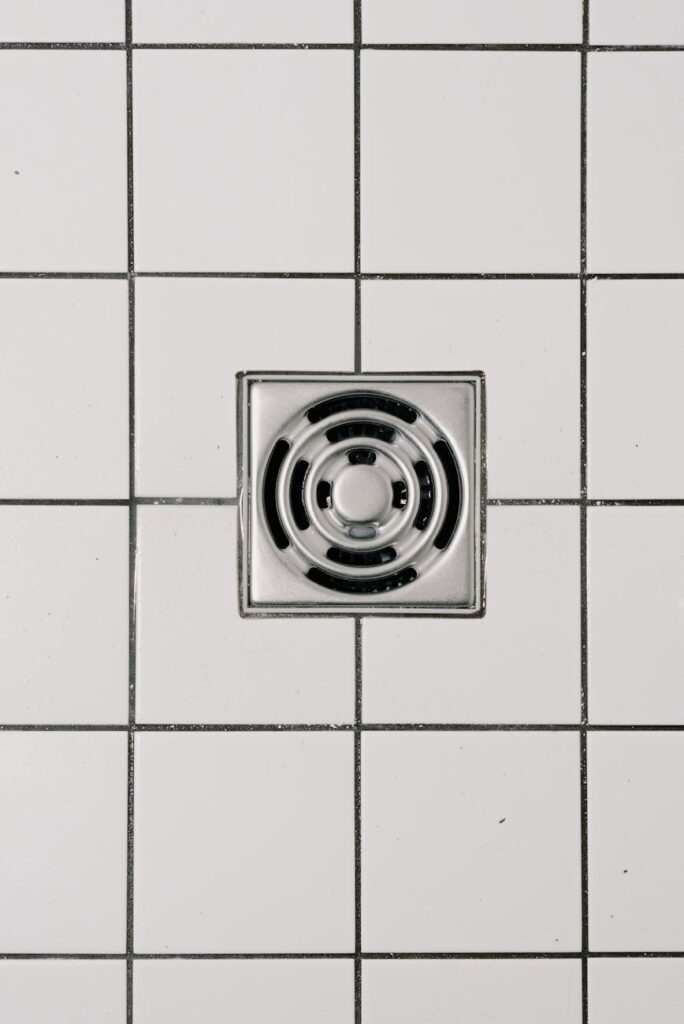
Shower Drain Odor Kitchen Guide Part 1
Introduction
A foul odor emanating from your kitchen shower drain can disrupt your home’s comfort. Not only is it unpleasant, but it can also signify underlying issues that require immediate attention. This guide is designed to equip you with practical solutions to tackle and eliminate shower drain odors effectively.
What Causes Kitchen Shower Drain Odor?
Understanding the root causes of drain odors is essential for effective cleaning. Here are the primary culprits:
1. Organic Material Build-up: Food particles, soap residue, and hair can accumulate in your drain, creating a breeding ground for bacteria.
2. Standing Water: If water isn’t draining properly, stagnant water can lead to foul smells.
3. Dry P-Trap: The P-trap is a curved pipe designed to hold water, preventing sewer gases from entering your home. If it dries out, odors can escape.
4. Clogged Vent Pipes: Vent pipes allow air into the plumbing system. If they’re blocked, it can create negative pressure, leading to odors.
5. Bacterial Growth: Bacteria thrive in moist environments, and a dirty drain is a perfect habitat.
Why This Problem Happens
Odors from your kitchen shower drain typically occur due to neglect in maintenance. Regular cleaning routines may not include the drain area, allowing buildup to occur. Additionally, improper waste disposal, such as washing greasy dishes or food scraps, exacerbates the problem. Over time, these factors contribute to a smelly drain that can be challenging to eliminate without proper intervention.
How to Fix Kitchen Shower Drain Odor (Step-by-Step)
Step 1: Gather Supplies
Before starting, gather the following supplies:
- Baking soda
- White vinegar
- A bucket or bowl
- A plunger
- A long brush or drain snake
- Hot water
- Dish soap
- Ignoring Regular Maintenance: Failing to clean drains regularly allows buildup to become a bigger issue.
- Using Harsh Chemicals: Avoid caustic drain cleaners that can corrode pipes and create more problems.
- Overusing Baking Soda and Vinegar: While effective, excessive use can lead to pressure build-up in pipes.
- Neglecting the P-Trap: Always check and clean the P-trap to ensure it’s functioning correctly.
Step 2: Remove Visible Debris
Begin by removing any visible debris from the drain cover. Use your hands (gloved) or a long brush to eliminate hair, soap scum, or food particles.
Step 3: Flush with Hot Water
Boil a kettle of water and slowly pour it down the drain. This helps dissolve any grease or residues stuck in the pipes.
Step 4: Apply Baking Soda and Vinegar
Pour about half a cup of baking soda into the drain, followed by half a cup of white vinegar. You’ll notice fizzing; this reaction helps dislodge buildup. Let it sit for 15-30 minutes.
Step 5: Rinse
After the waiting period, flush the drain with hot water again. This step will help wash away loosened debris and neutralize odors.
Step 6: Check the P-Trap
If odors persist, check the P-trap. You may need to remove it (use a bucket to catch any water) and clean it thoroughly. Ensure it has enough water to create a seal.
Step 7: Use a Plunger
If the odor still lingers, use a plunger to create suction in the drain. This can help dislodge any deeper clogs.
Step 8: Reassess and Repeat
If the smell doesn’t improve, consider repeating the process or employing a drain snake to clear further obstructions.
Best Cleaning Methods
1. Baking Soda and Vinegar: This classic method is effective for breaking down buildup.
2. Enzyme Cleaners: These cleaners use enzymes to digest organic material, making them a safe option for regular maintenance.
3. Boiling Water: Regularly pouring boiling water down the drain can prevent grease buildup.
4. Dish Soap: Occasional use of dish soap can help emulsify grease and keep your drain clear.
Common Mistakes to Avoid
Prevention Tips
1. Regular Cleaning: Schedule monthly drain cleanings using baking soda and vinegar.
2. Use Drain Screens: Install a screen over your drain to catch hair and food particles.
3. Avoid Greasy Foods: Dispose of cooking grease in a separate container rather than washing it down the drain.
4. Flush with Hot Water: Make it a habit to flush your drain with hot water once a week.
5. Check for Leaks: Regularly inspect plumbing for leaks, which can contribute to odor issues.
Frequently Asked Questions
1. How often should I clean my kitchen shower drain?
Aim for a monthly cleaning routine to prevent buildup and odors.
2. What can I do if the smell persists after cleaning?
If odors continue, the issue may be deeper in the plumbing. Consider calling a plumber for a professional assessment.
3. Is it safe to use chemical drain cleaners?
It’s best to avoid chemical cleaners as they can damage pipes over time. Stick to natural methods or enzyme cleaners.
4. Can I prevent odors without cleaning the drain?
While regular cleaning is essential, using drain screens and avoiding greasy waste can significantly reduce odors.
5. What should I do if my drain is clogged?
Use a plunger or a drain snake to clear the clog, and follow up with hot water and a cleaning method.
6. How do I know if my P-trap is functioning correctly?
Check if it has water in it. If it’s dry, pour water into the drain to refill it. If the odor persists, inspect for clogs.
Addressing shower drain odors in your kitchen doesn’t have to be a daunting task. By following these practical steps and preventative measures, you can maintain a fresh-smelling kitchen and avoid recurring issues. Stay proactive, and your drains will thank you!