
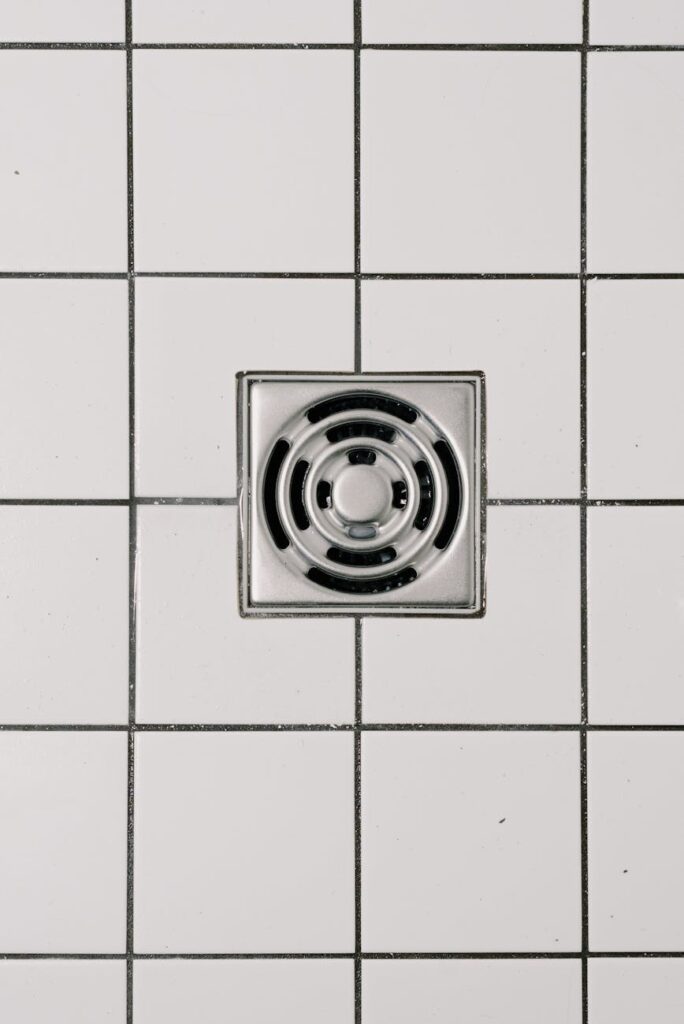
Shower Drain Odor Appliances Guide Part 1
Introduction
A shower drain that emits unpleasant odors can be a frustrating issue for homeowners. Not only can it make your bathroom less inviting, but it can also signal underlying plumbing problems. This guide will focus on identifying the causes of shower drain odors, how to effectively fix the issue, and preventative measures to keep your shower smelling fresh.
What Causes Appliances?
When we refer to “appliances” in the context of shower drain odors, we’re talking about the tools and devices that can help eliminate or prevent odors. These include:
1. Drain Cleaners: Chemical or natural solutions designed to break down clogs and neutralize odors.
2. Plumbing Snake: A manual tool used to remove stubborn blockages.
3. Wet/Dry Vacuum: Useful for sucking up debris from the drain.
4. Baking Soda and Vinegar: Natural cleaning agents that can deodorize and clear minor clogs.
5. Drain Screens: Prevent debris from entering the drain in the first place.
Understanding these appliances and their applications is crucial for tackling shower drain odors effectively.
Why This Problem Happens
Several factors can contribute to odors emanating from your shower drain:
1. Clogged Drains: Hair, soap scum, and other debris can build up, creating blockages that trap water and produce foul smells.
2. Sewer Gas: If the P-trap (the curved section of the pipe) dries out, sewer gases can escape into your bathroom.
3. Mold and Mildew: Stagnant water can lead to the growth of mold and mildew, which can also cause unpleasant odors.
4. Old Plumbing: Aging pipes can corrode and develop leaks, allowing smelly water to escape.
5. Poor Ventilation: Inadequate airflow can contribute to dampness and odors.
Understanding these causes helps in effectively addressing the problem.
How to Fix Appliances (Step-by-Step)
Step 1: Gather Your Tools
Before you begin, gather the necessary appliances:
- Drain cleaner (chemical or natural)
- Plumbing snake
- Wet/dry vacuum
- Baking soda and vinegar
- Rubber gloves and a bucket
- Enzyme Cleaners: These break down organic materials and are great for preventing future clogs.
- Essential Oils: Add a few drops of essential oil (like tea tree or eucalyptus) to your cleaning mixture for a fresh scent.
- Regular Maintenance: Schedule monthly cleanings to keep your drains fresh.
Step 2: Remove Visible Debris
1. Wear Gloves: Protect your hands from germs.
2. Inspect the Drain: Look for hair or debris on the drain cover.
3. Remove Debris: Use your fingers or a pair of tweezers to pull out any visible clogs.
Step 3: Use a Drain Cleaner
1. Choose Your Cleaner: If you prefer a natural method, mix equal parts of baking soda and vinegar.
2. Pour into Drain: If using a commercial cleaner, follow the instructions on the label. For the natural cleaner, pour the baking soda first, followed by vinegar.
3. Let It Sit: Allow the mixture to sit for 30 minutes to break down clogs and neutralize odors.
Step 4: Use a Plumbing Snake
1. Insert the Snake: Feed the snake into the drain, twisting it as you go.
2. Break Up Clogs: Rotate the snake to break apart any blockages.
3. Remove the Snake: Pull it out slowly, cleaning off any debris.
Step 5: Wet/Dry Vacuum
1. Create a Seal: Place the vacuum nozzle over the drain to create a tight seal.
2. Turn On the Vacuum: This will suck up any remaining debris and water.
3. Dispose of Waste: Empty the vacuum outdoors to avoid bringing odors back inside.
Step 6: Flush the Drain
1. Boil Water: Bring a kettle of water to a boil.
2. Pour Down the Drain: Slowly pour boiling water down the drain to flush away any remaining residue.
Best Cleaning Methods
While the above steps are effective, you may want to incorporate some additional cleaning methods:
Common Mistakes to Avoid
1. Neglecting Regular Maintenance: Skipping cleanings can lead to more severe problems.
2. Using Too Many Chemicals: Overuse of chemical cleaners can damage pipes over time.
3. Ignoring Warning Signs: If you notice persistent odors, don’t delay in addressing them.
4. Not Using a Drain Screen: Failing to install a screen allows hair and debris to accumulate.
5. Failing to Rinse: Always flush the drain after cleaning to remove residues.
Prevention Tips
1. Use a Drain Screen: This will catch hair and debris before they enter the drain.
2. Flush with Hot Water Weekly: This helps clear minor buildups and keeps the drain flowing smoothly.
3. Avoid Pouring Grease Down the Drain: This can solidify and cause clogs.
4. Store Cleaners Properly: Keep cleaning appliances in a cool, dry place.
5. Monitor Water Flow: If you notice slow drainage, address it immediately before it becomes a larger issue.
Frequently Asked Questions
1. How often should I clean my shower drain?
Aim for a monthly cleaning routine to prevent odors and clogs.
2. What can I do if the odor persists after cleaning?
If odors continue, consider consulting a plumber to check for deeper plumbing issues.
3. Are natural cleaners as effective as chemical ones?
Natural cleaners can be very effective but may require more time to work. They are generally safer for your plumbing.
4. Can I use bleach to clean my shower drain?
Avoid using bleach as it can damage pipes and create harmful fumes when mixed with other cleaning agents.
5. How can I prevent hair from clogging the drain?
Use a drain screen or hair catcher to minimize hair entry into the drain.
6. What should I do if I suspect a sewer gas leak?
If you smell sewer gas, immediately ventilate the area and contact a plumber to investigate.
By following these practical steps and tips, you can effectively address and prevent shower drain odors, ensuring your bathroom remains fresh and inviting.