
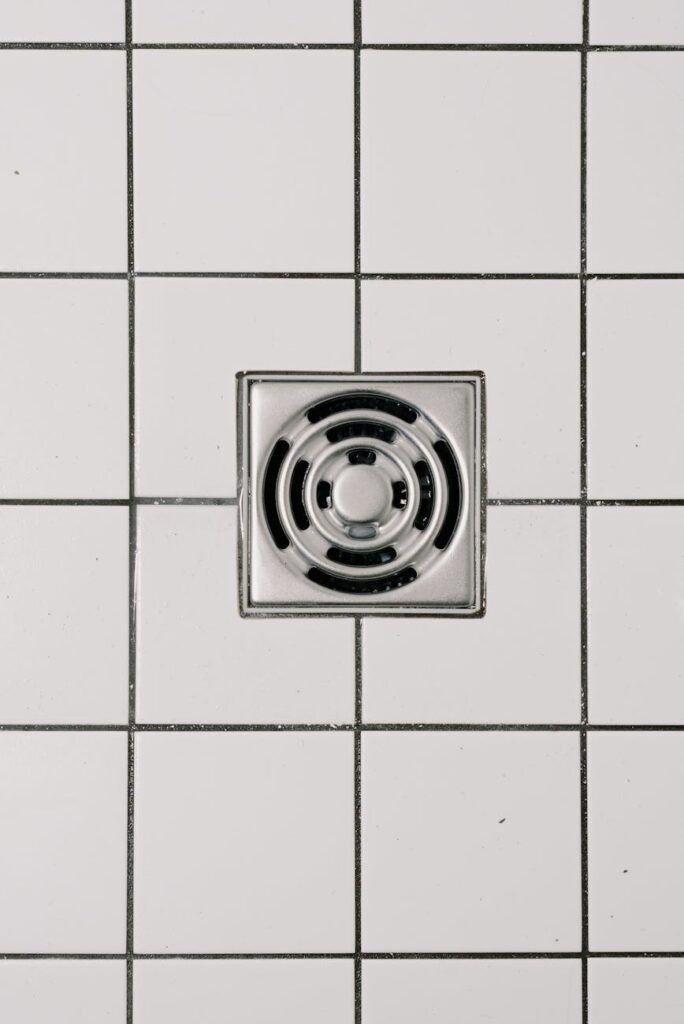
Shower Drain Mold Odours Guide Part 1
Introduction
If you’ve noticed unpleasant odours wafting from your shower drain, you’re not alone. Shower drain mold is a common issue that many homeowners face. Not only can these smells be bothersome, but they can also indicate a deeper problem that needs addressing. In this guide, we’ll explore the causes of these odours, how to fix them, and tips for prevention.
What Causes Odours?
The primary cause of odours from shower drains is mold growth. Mold thrives in warm, moist environments, making shower drains an ideal breeding ground. Other factors contributing to foul smells include:
- Organic Debris: Hair, soap scum, and other organic materials can build up in your drain, decomposing and releasing unpleasant smells.
- Standing Water: Water that doesn’t drain properly can stagnate, leading to an increase in bacteria and mold.
- Clogged Pipes: A blockage can trap debris and water, causing a foul odour to rise from the drain.
- Humidity: Bathrooms tend to be humid, especially after showers, creating a perfect environment for mold growth.
- Poor Ventilation: A bathroom that lacks proper ventilation can trap moisture, further promoting mold and mildew.
- Infrequent Cleaning: Without regular cleaning, organic matter can build up, leading to clogs and odours.
- Baking soda
- White vinegar
- A cup or small container
- A scrub brush or old toothbrush
- Rubber gloves
- A bucket or large bowl
- Enzymatic Cleaners: These cleaners use enzymes to break down organic matter. They work well on hair and soap scum.
- Bleach Solution: For severe cases, a diluted bleach solution (1 part bleach to 10 parts water) can help. However, use this method cautiously, as bleach can be harsh and should not be mixed with other cleaners.
- Commercial Drain Cleaners: Only use these as a last resort, as they often contain harsh chemicals that can damage pipes.
- Using Too Much Cleaner: Overusing cleaning products can lead to buildup and may not effectively solve the problem.
- Neglecting Maintenance: Regular cleaning is crucial. Don’t wait for odours to appear; make it part of your routine.
- Ignoring Clogs: If you notice a persistent smell, it may indicate a clog deeper in the plumbing that needs professional attention.
- Regular Cleaning: Clean your shower drain at least once a month using the baking soda and vinegar method.
- Install a Drain Cover: Use a drain cover to catch hair and debris before it enters the drain.
- Improve Ventilation: Use an exhaust fan or open a window while showering to reduce humidity.
- Avoid Flushing Non-Biodegradable Items: Never flush items like wipes, hair, or other non-biodegradable materials down the drain.
- Check for Leaks: Regularly inspect plumbing for leaks, as they can contribute to standing water.
Understanding these causes is the first step toward eliminating the problem.
Why This Problem Happens
Shower drains are often neglected during routine cleaning, allowing mold and debris to accumulate. Factors that contribute to the development of odors include:
Identifying these underlying issues can help you tackle the problem effectively.
How to Fix Odours (Step-by-Step)
Step 1: Gather Your Supplies
Before you start, gather the following cleaning supplies:
Step 2: Remove Visible Debris
Put on your rubber gloves and remove any visible debris from the drain. This may include hair, soap scum, or other organic materials. Dispose of this waste in a trash bag.
Step 3: Pour Baking Soda
Pour about half a cup of baking soda directly into the drain. Baking soda is a natural deodorizer and will help neutralize any unpleasant smells.
Step 4: Add Vinegar
Next, pour one cup of white vinegar into the drain. The combination of baking soda and vinegar will create a foaming reaction that helps dislodge any buildup in the pipes.
Step 5: Let It Sit
Allow the mixture to sit for about 15-30 minutes. This will give the baking soda and vinegar time to work on the odors and any clogs.
Step 6: Flush with Hot Water
After letting the mixture sit, boil a pot of water. Carefully pour the hot water down the drain to flush away the baking soda and vinegar, along with any loosened debris.
Step 7: Scrub (If Necessary)
If the odour persists, use a scrub brush or old toothbrush to clean the drain cover and surrounding areas. Make sure to scrub any visible mold or buildup.
Step 8: Rinse Again
Finally, rinse the drain with warm water to ensure everything is cleared away.
Best Cleaning Methods
While the baking soda and vinegar method is effective, there are other cleaning methods to consider:
Common Mistakes to Avoid
Prevention Tips
Frequently Asked Questions
1. How often should I clean my shower drain?
Aim to clean your shower drain at least once a month to prevent odors and buildup.
2. Can I use essential oils to mask the smell?
While essential oils can provide a pleasant scent, they won’t address the underlying problem. It’s best to clean the drain first.
3. What if the smell persists after cleaning?
If the odour continues after cleaning, it could indicate a deeper clog or plumbing issue that may require professional help.
4. Is vinegar safe for all types of plumbing?
Yes, vinegar is generally safe for all types of plumbing. However, avoid using it with bleach, as this can create toxic fumes.
5. Can enzyme cleaners damage my pipes?
Enzymatic cleaners are typically safe for pipes and can be a gentle option for removing organic matter.
6. What if I have a septic system?
If you have a septic system, be cautious with chemical cleaners. Opt for natural solutions like baking soda and vinegar or enzymatic cleaners specifically labeled as safe for septic systems.
By understanding the causes of shower drain mold odours and implementing these cleaning and prevention strategies, you can maintain a fresh-smelling bathroom all year round. Stay proactive, and you’ll avoid the hassle of bad smells in the future.