
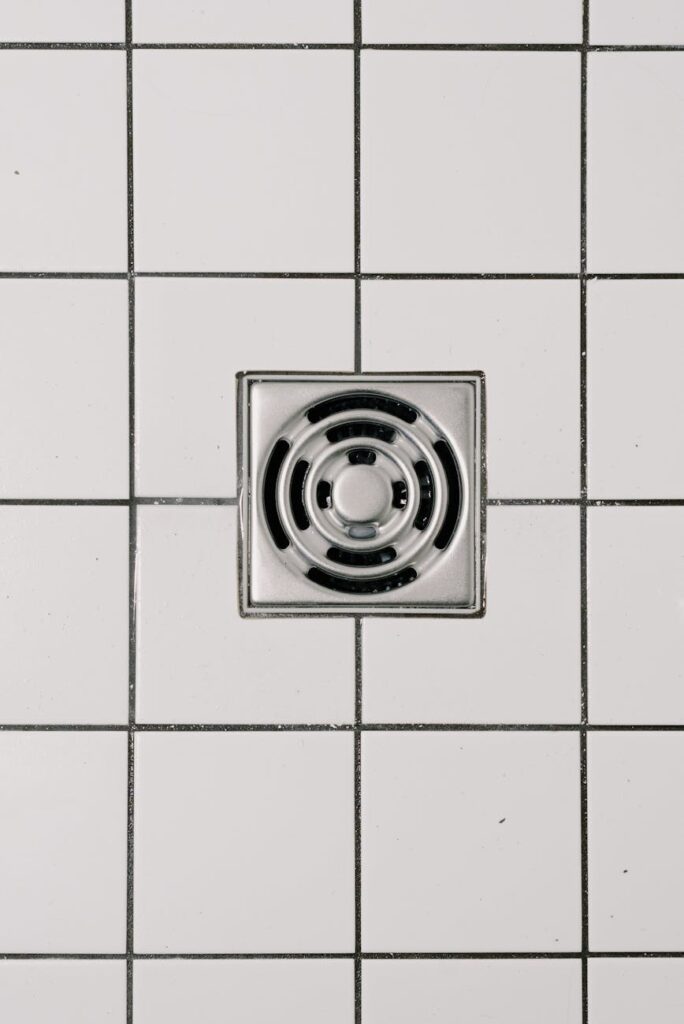
Shower Drain Mold Mould & Damp Guide Part 1
Introduction
Mould and dampness in shower drains are common issues that many homeowners face. Not only can they create unpleasant odors, but they can also lead to unsightly stains and even structural damage if left untreated. This guide aims to provide you with practical solutions to effectively tackle mould and dampness in your shower drain, ensuring a cleaner and healthier bathroom environment.
What Causes Mould & Damp?
Mould thrives in damp, warm environments, making shower drains an ideal breeding ground. Several factors contribute to this issue:
1. Excess Moisture: Showers generate a lot of water, and if the area isn’t dried properly, moisture lingers.
2. Poor Ventilation: Bathrooms that lack adequate airflow trap humidity, fostering mould growth.
3. Clogged Drains: Hair, soap scum, and other debris can block drains, leading to stagnant water.
4. Organic Materials: Mould feeds on organic matter, which can be found in soap residue and skin cells.
Understanding these causes is the first step in combating mould and dampness effectively.
Why This Problem Happens
Mould and dampness occur when there’s a combination of moisture, warmth, and organic material, creating a perfect storm for mould spores to settle and grow.
1. Humidity Levels: High humidity levels, especially in poorly ventilated bathrooms, increase the likelihood of mould growth.
2. Water Accumulation: Water pooling in the shower drain or around it can create a damp environment.
3. Infrequent Cleaning: Neglecting regular cleaning can lead to the accumulation of debris and moisture, making it easier for mould to establish itself.
By addressing these underlying issues, you can significantly reduce the occurrence of mould and dampness.
How to Fix Mould & Damp (Step-by-Step)
Step 1: Gather Your Supplies
You will need:
- Rubber gloves
- A mask (to avoid inhaling spores)
- Scrub brush
- Baking soda
- White vinegar
- Spray bottle
- Hot water
- Old towels or rags
Step 2: Safety First
Before you begin, put on rubber gloves and a mask. This will protect you from mould spores and harsh cleaning agents.
Step 3: Remove Debris
Clear the drain of any visible debris. Use a scrub brush to remove hair, soap scum, and other buildups. If the drain is clogged, consider using a plumber’s snake or a drain cleaner.
Step 4: Apply Baking Soda and Vinegar
1. Pour Baking Soda: Sprinkle a generous amount of baking soda into the drain.
2. Add Vinegar: Follow it up with white vinegar. The fizzing reaction will help lift mould and debris.
3. Wait: Allow the mixture to sit for about 15-20 minutes.
Step 5: Flush with Hot Water
After the waiting period, flush the drain with hot water. This will help wash away any dislodged mould and debris.
Step 6: Scrub the Surrounding Area
Use a scrub brush to clean the area around the drain. Pay special attention to grout lines and corners where mould may be hiding.
Step 7: Dry the Area
Use old towels or rags to dry the area thoroughly. This step is crucial to prevent mould from returning.
Best Cleaning Methods
1. Baking Soda and Vinegar
This natural method is effective for minor mould issues. The combination not only cleans but also helps deodorize the drain.
2. Commercial Mould Cleaners
For severe mould infestations, consider using a commercial mould cleaner. Always follow the manufacturer’s instructions and ensure proper ventilation.
3. Hydrogen Peroxide
A 3% hydrogen peroxide solution can also be used to tackle mould. Spray it directly onto the affected area and let it sit for 10 minutes before rinsing.
4. Bleach Solution
A diluted bleach solution can be effective for sanitizing. Mix one part bleach with ten parts water. Be cautious, as bleach can damage certain surfaces and should never be mixed with ammonia.
Common Mistakes to Avoid
1. Ignoring Ventilation: Always ensure your bathroom is well-ventilated. Use exhaust fans or open windows while showering.
2. Not Addressing Clogs: Allowing clogs to linger can worsen the mould problem. Regularly check and clean your drains.
3. Using Too Much Product: Using excessive cleaning products can leave residues that attract more dirt and mould.
4. Skipping Regular Maintenance: Failing to clean regularly can lead to a bigger problem down the line.
Prevention Tips
1. Use a Squeegee: After each shower, use a squeegee to remove excess water from the walls and floor.
2. Keep the Bathroom Dry: Consider using a dehumidifier to reduce humidity levels in the bathroom.
3. Regular Cleaning Schedule: Establish a routine cleaning schedule to keep mould at bay.
4. Seal Grout Lines: Periodically check and reseal grout lines to prevent moisture penetration.
5. Install a Shower Mat: Use a washable shower mat that can be cleaned regularly to absorb moisture.
Frequently Asked Questions
1. How often should I clean my shower drain?
Aim to clean your shower drain at least once a month to prevent mould and other buildups.
2. Can I use essential oils to combat mould?
Yes, certain essential oils like tea tree and lavender have antifungal properties. Mix a few drops with water in a spray bottle and apply it to affected areas.
3. What should I do if mould persists after cleaning?
If mould continues to reappear, you may need to investigate underlying issues such as leaks or poor ventilation.
4. Is bleach safe for all surfaces?
Bleach can damage some surfaces, including colored grout and certain tiles. Always test a small, inconspicuous area first.
5. Can I prevent mould without harsh chemicals?
Absolutely! Natural cleaning solutions like baking soda, vinegar, and hydrogen peroxide can effectively combat mould.
6. How can I improve ventilation in my bathroom?
Consider installing an exhaust fan or using a dehumidifier. Opening windows while showering can also help reduce humidity levels.
By following this guide, you’ll be better equipped to handle mould and dampness in your shower drain. Regular maintenance and prompt action will keep your bathroom clean and healthy for you and your family. Stay tuned for Part 2, where we will delve deeper into advanced mould prevention strategies!