
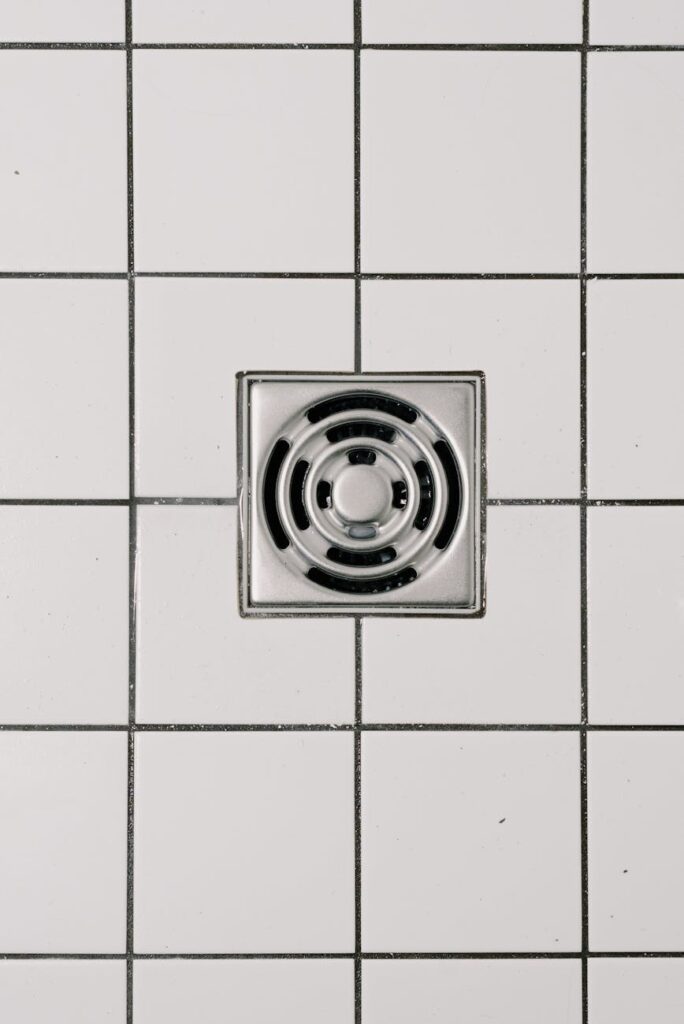
Shower Drain Mold Laundry Guide Part 1
Introduction
Mold in shower drains is a common nuisance that can lead to unpleasant odors, unsightly stains, and even potential damage to your plumbing. Addressing this issue is essential for maintaining a clean and healthy home. This guide will walk you through the causes of mold in your shower drain, effective cleaning methods, and preventive measures to keep your bathroom fresh.
What Causes Laundry?
While you might not typically associate laundry with shower drain mold, the two can be interconnected. Laundry, especially when damp, can contribute to humidity levels that foster mold growth. If you wash towels, bathmats, or other bathroom textiles that retain moisture, they can introduce additional humidity to the bathroom environment, creating a perfect breeding ground for mold.
Why This Problem Happens
Mold thrives in damp, dark, and warm environments. Shower drains often fit these criteria:
1. Moisture: Regular use of the shower introduces water into the drain, which can lead to standing water if the drainage system is slow.
2. Hair and Soap Residue: These materials can accumulate in the drain, providing food for mold and mildew.
3. Poor Ventilation: Insufficient airflow can trap humidity in the bathroom, exacerbating mold growth.
4. Temperature Fluctuations: The warm environment of a shower, combined with cooler bathroom air, can create condensation that promotes mold growth.
How to Fix Laundry (Step-by-Step)
Cleaning mold from your shower drain requires a systematic approach. Follow these steps to effectively tackle the problem:
Step 1: Gather Your Supplies
Before you begin, gather the following items:
- Rubber gloves
- Safety goggles
- A bucket
- A sponge or scrub brush
- White vinegar
- Baking soda
- Dish soap
- Hot water
- A toothbrush (for tight spaces)
Step 2: Clear the Area
Remove any items around the shower drain, including bathmats, towels, or any other textiles. This will give you clear access to the drain and prevent items from getting wet during cleaning.
Step 3: Remove Debris
Use your hands (while wearing gloves) or a small tool to remove hair, soap scum, and any visible debris from the drain. This will help expose the mold and allow for more effective cleaning.
Step 4: Apply the Cleaning Solution
Option 1: Vinegar and Baking Soda
1. Pour about 1 cup of baking soda down the drain.
2. Follow it with 1 cup of white vinegar.
3. Allow the mixture to fizz for 15-30 minutes to break down mold and grime.
Option 2: Dish Soap and Hot Water
1. Mix a few drops of dish soap with a bucket of hot water.
2. Pour the soapy water down the drain.
Step 5: Scrub the Drain
After the vinegar and baking soda have settled, use a sponge or scrub brush to scrub the interior of the drain. For tight spaces, a toothbrush can be particularly effective. Focus on areas where you see visible mold or buildup.
Step 6: Rinse Thoroughly
After scrubbing, pour hot water down the drain to rinse away any remaining debris and cleaning solution. Ensure that the drain is clear of all cleaning residues.
Step 7: Dry the Area
Use a clean, dry towel or cloth to wipe around the drain area. This will help reduce moisture levels and deter future mold growth.
Best Cleaning Methods
When it comes to cleaning mold from your shower drain, several methods can be effective:
1. Vinegar and Baking Soda: This natural method is not only effective but also safe for most plumbing systems. The fizzing action helps dislodge grime and mold.
2. Commercial Drain Cleaners: If natural methods fail, consider using a commercial drain cleaner specifically designed to eliminate mold and mildew. Follow the manufacturer’s instructions carefully.
3. Hydrogen Peroxide: This is a powerful disinfectant. Pour a small amount down the drain, let it sit for 15 minutes, then rinse with hot water.
4. Bleach: As a last resort, a diluted bleach solution can be used. However, be cautious as bleach can be harsh on plumbing and should never be mixed with other cleaners.
Common Mistakes to Avoid
When tackling shower drain mold, avoid these common pitfalls:
1. Neglecting Regular Maintenance: Failing to clean your shower drain regularly will allow mold to build up over time.
2. Using Too Much Cleaning Solution: Overusing cleaners can lead to buildup that may worsen the problem. Use only the recommended amount.
3. Ignoring Ventilation: If your bathroom lacks proper ventilation, it will encourage mold growth. Always use an exhaust fan or open a window during and after showers.
4. Not Drying the Area: Failing to dry the shower and drain area after cleaning can lead to rapid mold regrowth.
Prevention Tips
Preventing mold growth in your shower drain is easier than dealing with it once it appears. Here are some tips:
1. Regular Cleaning: Clean your shower drain at least once a month to prevent mold buildup.
2. Use a Drain Cover: A mesh drain cover can catch hair and debris, preventing clogs that harbor mold.
3. Ensure Proper Ventilation: Use exhaust fans during and after showers to reduce humidity levels.
4. Dry Wet Textiles: Always hang towels, bathmats, and other textiles to dry completely before storing them.
5. Routine Inspections: Regularly inspect the drain and surrounding areas for signs of mold or buildup.
Frequently Asked Questions
1. How often should I clean my shower drain?
Aim to clean your shower drain at least once a month to prevent mold buildup.
2. Can I use bleach to clean shower drain mold?
Yes, but use it as a last resort and ensure it is diluted. Never mix it with other cleaners.
3. What are some signs of mold in the shower drain?
Signs include dark spots around the drain, musty odors, and visible debris buildup.
4. Is mold in the shower drain harmful?
While not usually dangerous, it can cause allergies and respiratory issues in sensitive individuals.
5. How can I tell if my shower drain is clogged?
If water drains slowly or backs up, it may indicate a clog that should be addressed promptly.
6. Can I prevent mold from growing in my shower drain?
Yes, regular cleaning, proper ventilation, and drying wet items can significantly reduce the likelihood of mold growth.
By following this practical guide, you can effectively tackle shower drain mold and keep your bathroom clean and fresh. Stay tuned for Part 2, which will cover advanced cleaning techniques and tools to further enhance your cleaning routine.