
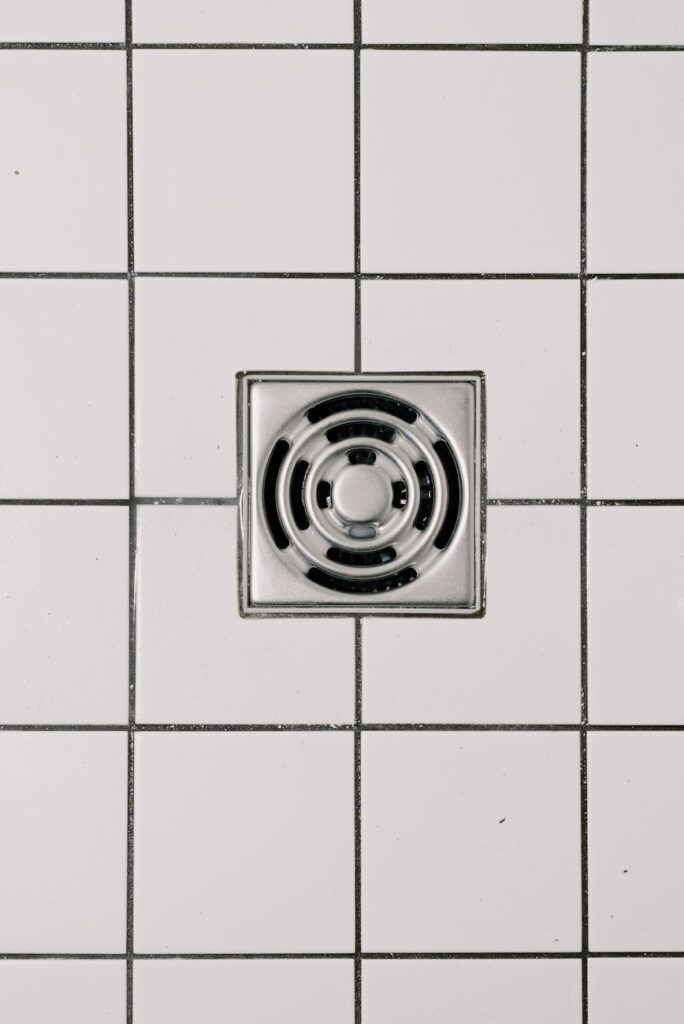
Shower Drain Mold Cleaning Guide Part 1
Introduction
Shower drain mold is a common issue that many homeowners encounter. Not only does it look unpleasant, but it can also lead to more significant plumbing problems if left untreated. This guide will help you understand the causes of shower drain mold, provide effective cleaning methods, and offer tips for prevention. Let’s dive in!
What Causes Shower Drain Mold?
Mold thrives in damp, warm environments, making your shower drain an ideal breeding ground. Several factors contribute to the growth of mold in this area:
1. Moisture: Continuous exposure to water creates a perfect habitat for mold.
2. Organic Material: Hair, soap scum, and skin flakes can accumulate in the drain, providing nutrients for mold spores.
3. Poor Ventilation: Insufficient airflow in bathrooms can lead to higher humidity levels, promoting mold growth.
Why This Problem Happens
Understanding why mold appears in your shower drain can help you tackle the issue more effectively. Here are the key reasons:
1. Lack of Regular Cleaning: If you don’t clean your shower drain regularly, debris can build up, creating a conducive environment for mold.
2. Clogged Drains: Clogs can trap water and organic material, increasing moisture levels and facilitating mold growth.
3. High Humidity: Bathrooms with poor ventilation can accumulate humidity, leading to mold not just in the drain, but on tiles and grout as well.
How to Fix Shower Drain Mold (Step-by-Step)
Cleaning mold from your shower drain is straightforward if you follow these steps:
Step 1: Gather Your Supplies
You will need:
- Rubber gloves
- A mask (to avoid inhaling spores)
- A scrub brush or old toothbrush
- Baking soda
- White vinegar
- Hot water
- A spray bottle
- Baking Soda and Vinegar: A natural and effective method that not only cleans but also deodorizes.
- Commercial Mold Removers: For stubborn mold, consider using products specifically designed to eliminate mold. Ensure they are safe for use in drains.
- Hydrogen Peroxide: This can also be effective. Apply it similarly to how you would use vinegar.
Step 2: Remove Visible Debris
1. Put on your gloves and mask to protect yourself from mold spores.
2. Remove the drain cover using a screwdriver if necessary.
3. Clear out any visible debris like hair and soap scum. Use a paper towel or cloth to wipe the area.
Step 3: Apply Baking Soda and Vinegar
1. Pour about half a cup of baking soda into the drain.
2. Follow with half a cup of white vinegar. You’ll see a fizzing reaction, which helps to break down mold.
3. Let it sit for 30 minutes.
Step 4: Scrub the Area
1. After the waiting period, use a scrub brush or old toothbrush to scrub the drain and surrounding area.
2. Focus on areas where you see discoloration or mold.
Step 5: Rinse with Hot Water
1. Boil water and carefully pour it down the drain. This helps flush away any residual mold and debris.
2. Ensure that the water is hot but not boiling to avoid damaging any plastic components.
Step 6: Dry the Area
1. Wipe the area dry with a clean towel. This step is crucial as mold thrives in damp environments.
Step 7: Replace the Drain Cover
1. Once everything is clean and dry, replace the drain cover securely.
Best Cleaning Methods
Common Mistakes to Avoid
1. Using Abrasive Tools: Avoid using steel wool or harsh scrubbing pads, as they can scratch surfaces and create more areas for mold to settle.
2. Ignoring the Surroundings: Mold can spread from the drain to tiles and grout. Make sure to clean these areas as well.
3. Not Rinsing Thoroughly: Failing to rinse off cleaning agents can leave residues that attract more dirt and mold.
Prevention Tips
1. Regular Cleaning: Clean your shower drain at least once a month to prevent buildup.
2. Use a Drain Cover: A mesh drain cover can trap hair and other debris, reducing the amount that enters the drain.
3. Improve Ventilation: Open windows or use an exhaust fan while showering to help reduce moisture levels.
4. Wipe Down Surfaces: After each shower, wipe down the tiles and drain area to remove excess moisture.
5. Dry the Floor: Use a squeegee to remove standing water on the shower floor.
Frequently Asked Questions
1. How often should I clean my shower drain?
It’s advisable to clean your shower drain at least once a month to prevent mold and buildup.
2. Can I use bleach to clean mold in the shower drain?
While bleach can kill mold, it can also damage your plumbing and may not be effective in removing mold from porous surfaces. Baking soda and vinegar are safer alternatives.
3. What if the mold keeps coming back?
If mold returns frequently, you may need to investigate for hidden leaks or moisture issues in your bathroom.
4. How can I tell if I have a clog in my shower drain?
Signs of a clog include slow drainage, gurgling noises, and standing water in the shower.
5. Is mold in the shower drain dangerous?
While shower drain mold is typically not harmful, certain types can cause allergies or respiratory issues. It’s best to clean it promptly.
6. Can I prevent mold without chemicals?
Yes! Regular cleaning with natural ingredients like baking soda and vinegar can effectively prevent mold without the use of harsh chemicals.
By following these tips and steps, you can successfully clean and prevent mold in your shower drain, ensuring a healthier and more pleasant bathroom environment. Stay tuned for Part 2 of our shower drain cleaning guide, where we’ll delve deeper into advanced cleaning techniques and additional maintenance tips.