
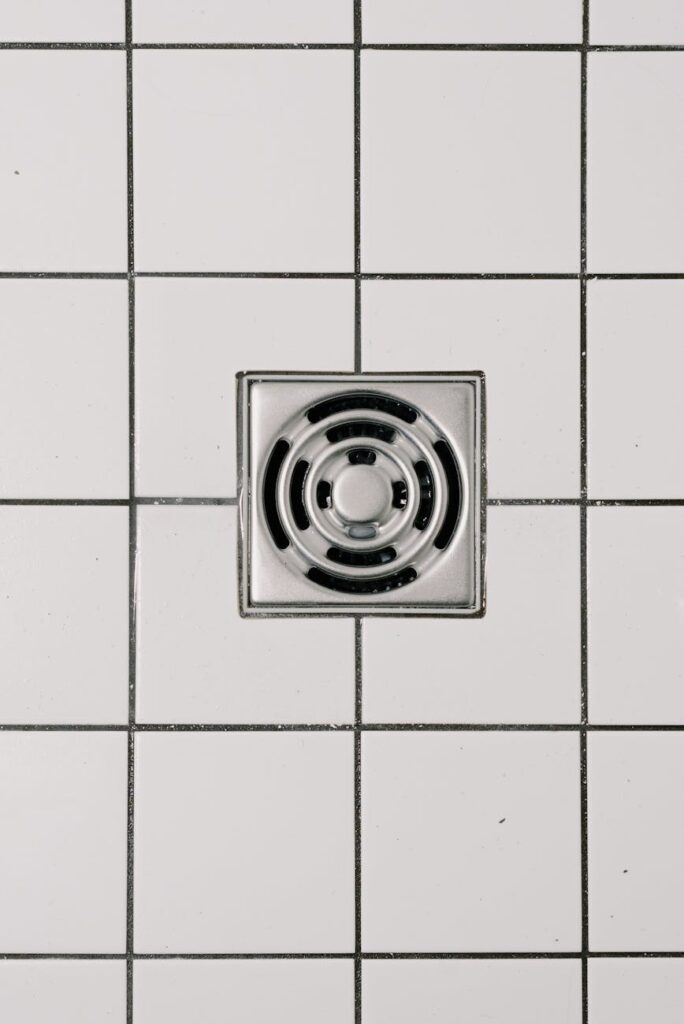
Shower Drain Mold Bathroom Guide Part 1
Introduction
Mold in your shower drain is more than just an eyesore; it can also lead to unpleasant odors and potential health issues. In this guide, we will explore what causes mold in shower drains, why it occurs, and provide step-by-step solutions to effectively clean and prevent it. With practical tips and actionable methods, you’ll be equipped to tackle mold in your bathroom.
What Causes Bathroom Mold?
Mold thrives in damp and dark environments, making your shower drain an ideal breeding ground. Several factors contribute to the development of mold in this space:
1. Moisture: Excess water from showering creates a humid environment.
2. Organic Matter: Hair, soap scum, and skin flakes provide food for mold spores.
3. Poor Ventilation: Lack of airflow keeps the area damp for longer periods.
4. Clogged Drains: Blockages trap water, leading to stagnant pools that encourage mold growth.
Understanding these causes is crucial for addressing the problem effectively.
Why This Problem Happens
Mold can develop quickly in a shower drain for several reasons:
- Humidity Levels: Bathrooms are naturally humid, especially after showers. High humidity creates favorable conditions for mold spores to settle and grow.
- Neglected Cleaning: Regular cleaning is essential. If the drain is overlooked, it can accumulate organic matter that feeds mold.
- Infrequent Use: If a bathroom isn’t used often, stagnant water can sit in the drain, promoting mold growth.
- Rubber gloves
- A scrub brush or old toothbrush
- Baking soda
- White vinegar
- Dish soap
- Hot water
- A bucket
- A spray bottle
By recognizing these factors, you can implement cleaning strategies that work.
How to Fix Bathroom Mold (Step-by-Step)
Step 1: Gather Your Supplies
Before you start cleaning, gather the following materials:
Step 2: Remove Drain Cover
Carefully unscrew or lift off the drain cover. If it’s stuck, use a flathead screwdriver to gently pry it off.
Step 3: Clear Debris
Use your hands or a pair of tweezers to remove any visible debris, such as hair and soap residue. Place the debris in the bucket.
Step 4: Apply Baking Soda
Sprinkle a generous amount of baking soda directly into the drain. This will help absorb moisture and neutralize odors.
Step 5: Add Vinegar
Pour white vinegar into the drain over the baking soda. Expect a fizzing reaction—this is normal! Allow it to sit for about 15-20 minutes.
Step 6: Scrub the Area
Using your scrub brush or toothbrush, scrub the drain and surrounding area thoroughly. Pay special attention to corners and crevices.
Step 7: Rinse with Hot Water
Boil a kettle of water and carefully pour it down the drain. This will flush out any remaining debris and mold.
Step 8: Wipe Down
Use a damp cloth to wipe down the drain area and cover. Ensure it’s completely dry before reattaching the cover.
Step 9: Reassemble
Place the drain cover back in its position and secure it as necessary.
Best Cleaning Methods
1. Baking Soda and Vinegar
This classic combination is effective at breaking down mold and removing odors while being non-toxic.
2. Dish Soap and Hot Water
A mixture of dish soap and hot water can help dissolve soap scum and grease that may harbor mold.
3. Hydrogen Peroxide
For stubborn mold, consider using a diluted hydrogen peroxide solution. Spray it directly onto the affected area and let it sit for 10 minutes before scrubbing.
Common Mistakes to Avoid
1. Using Abrasive Cleaners: These can damage your plumbing and surfaces. Stick to gentle cleaning agents.
2. Skipping Regular Maintenance: Neglecting your shower drain can lead to larger issues later.
3. Ignoring Ventilation: Failing to ventilate your bathroom properly allows moisture to build up.
4. Not Wearing Gloves: Always protect your hands while cleaning mold.
5. Pushing Debris Further Down the Drain: Remove debris carefully to avoid clogs.
Prevention Tips
1. Regular Cleaning: Clean your shower drain at least once a week to prevent buildup.
2. Use a Drain Cover: A mesh cover can catch hair and debris before it goes down the drain.
3. Improve Ventilation: Open windows or use an exhaust fan while showering to reduce humidity.
4. Dry the Area: Wipe down surfaces after use to eliminate moisture.
5. Monitor Water Usage: Ensure that your shower doesn’t have any leaks, which can contribute to mold growth.
Frequently Asked Questions
1. How often should I clean my shower drain?
Aim to clean your shower drain at least once a week to prevent mold and buildup.
2. Can I use bleach to clean mold?
While bleach can kill mold, it can be harsh on your plumbing and surfaces. Opt for gentler cleaning solutions like vinegar or baking soda.
3. What if the mold keeps returning?
If mold returns frequently, consider addressing ventilation issues or having your plumbing inspected for leaks.
4. Are there any natural alternatives to store-bought cleaners?
Yes! Baking soda, vinegar, and lemon juice are effective natural cleaning agents.
5. How can I improve ventilation in my bathroom?
Install an exhaust fan, open windows while showering, or leave the bathroom door open to promote airflow.
6. Is mold in the shower drain harmful?
While occasional exposure to mold is common, it can lead to allergic reactions and respiratory issues in sensitive individuals. Regular cleaning is key to minimizing health risks.
By following this guide, you can effectively tackle shower drain mold and keep your bathroom clean and fresh. Stay tuned for Part 2, where we will delve deeper into advanced cleaning techniques and maintenance strategies!